What Is Powerplay in Cricket? It’s a special set of overs at the start of limited-overs matches where the fielding team can only keep a few players outside the inner circle.
This rule makes it easier for batsmen to score runs quickly because most fielders must stay close to the pitch.
The Powerplay creates excitement, big shots, and often decides how the rest of the match will go.
What Is Powerplay in Cricket?
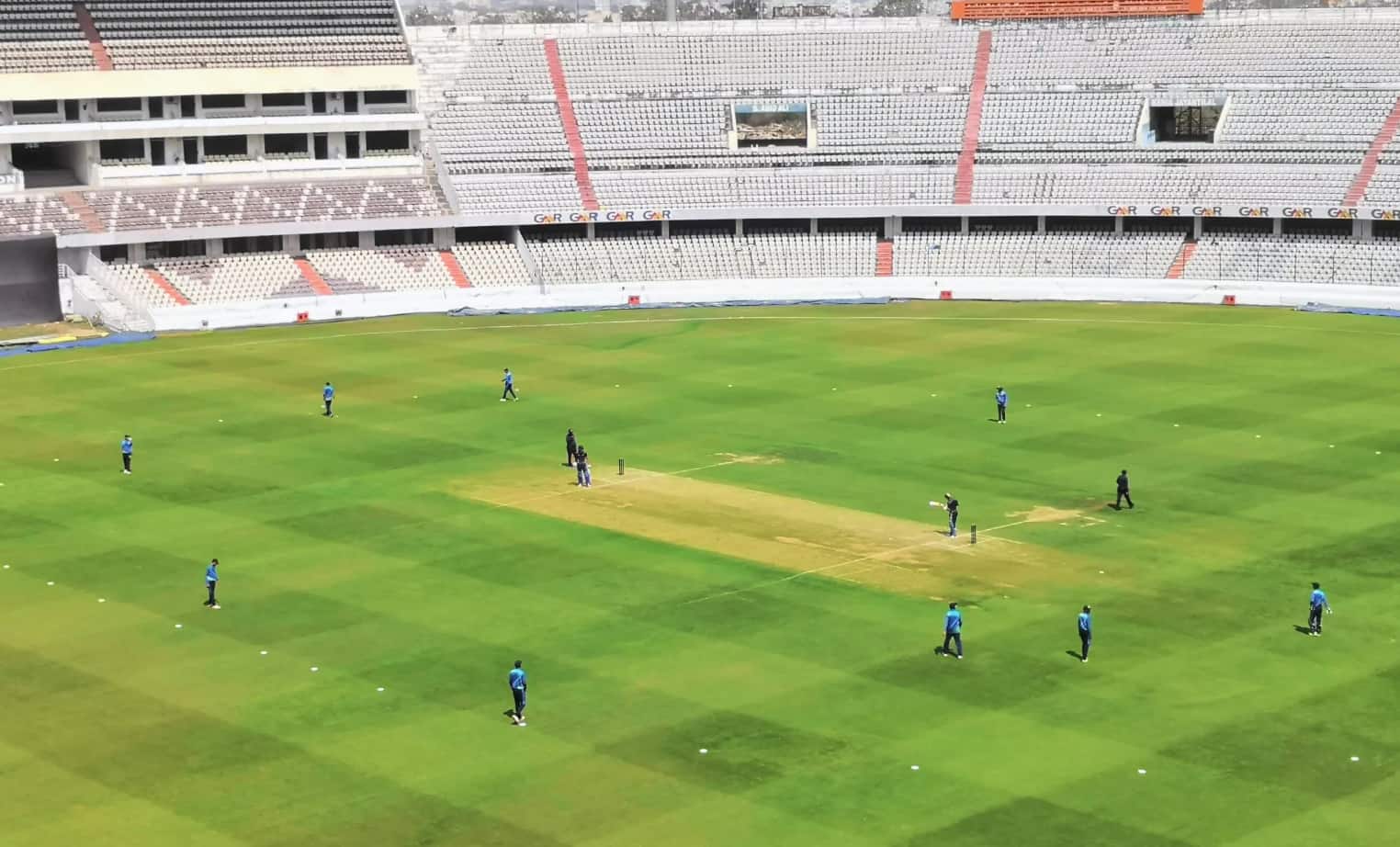
Let me break down everything about Powerplay in the simplest way possible.
Did You Check: 15 Rules of Cricket
Why Cricket Introduced Powerplay?
Cricket wanted to make limited-overs matches more entertaining. Before Powerplay rules existed, fielding captains could spread all their players across the boundary, making it hard for batsmen to score runs.
So cricket authorities created fielding restrictions. Now, during specific overs, most fielders must stay inside a 30-yard circle drawn around the pitch. This gives batsmen space to attack while keeping the game balanced.
Did You Know? What Is Impact Player in IPL
Powerplay in ODI Cricket – The Three Phases
ODI cricket has the most detailed ODI powerplay rules. A 50-over match gets divided into three parts, each with different fielding rules.
First Powerplay (Overs 1–10)
This is the main Powerplay everyone talks about. Only 2 fielders can stand outside the 30-yard circle.
Batsmen love this phase because:
- More gaps to hit through
- Easier to find boundaries
- Fielders can’t protect all areas
Bowlers hate it (sometimes) because:
- Less protection on boundaries
- One bad ball goes for four or six
- Pressure to take wickets early
Teams usually score between 40 to 70 runs in these 10 overs if both openers bat well.
2nd Powerplay in ODI (Overs 11–40)
Now things change. Up to 4 fielders can stay outside the circle.
This is the longest phase – 30 overs! Captains spread their fielders more to control the run flow. Batsmen become careful and focus on:
- Rotating strike
- Building partnerships
- Waiting for bad balls to attack
This phase is about balance. Teams cannot go too slow or too aggressively.
3rd Powerplay in ODI (Overs 41–50)
The death overs! Now, 5 fielders can be placed outside the circle.
Batsmen go crazy here. They know it’s the last chance to boost the score, so expect:
- Big sixes
- Innovative shots like scoops and ramps
- High-risk batting
Bowlers try yorkers and slower balls to limit damage.
Simple Table: Power Play Overs in ODI
| Phase Name | Overs | Fielders Outside Circle | Batting Approach |
|---|---|---|---|
| 1st Powerplay | 1–10 | 2 | Aggressive start |
| 2nd Powerplay | 11–40 | 4 | Build innings steadily |
| 3rd Powerplay | 41–50 | 5 | All-out attack |
How Many Powerplay in 50 Overs Match?
People often ask this. Technically, there are three fielding restriction phases in a 50-over match. But when fans say “Powerplay,” they usually mean just the first 10 overs.
So the answer depends on how you look at it:
- One official Powerplay (overs 1-10)
- Three fielding phases total (1-10, 11-40, 41-50)
The term Powerplay in cricket ODI mostly refers to the opening 10 overs.
Did You Know? How Many Creases Are There in Cricket
Powerplay in T20 Cricket
T20 matches keep things simple and fast.
Power play rules in T20 cricket:
- Powerplay lasts only 6 overs
- Just 2 fielders allowed outside the circle
- After over 6, up to 5 fielders can go out
Since T20 games are short (20 overs per side), these 6 overs become super important. Teams scoring 50+ runs in the Powerplay usually post big totals like 180 or 200.
Batsmen often take huge risks because:
- They have fewer overs to score
- Fielding restrictions help them
- One or two big overs can change everything
Bowlers know one loose over can cost 15-20 runs, so they focus on:
- Bowling yorkers
- Using variations
- Attacking the stumps
Did You Know? How Many Innings in Cricket
Powerplay in Cricket Fielding Rules – What Captains Must Follow?
Powerplay in cricket fielding has strict rules that umpires watch carefully.
- 30-Yard Circle Rule: There’s an imaginary circle 30 yards from the center of the pitch. During Powerplay, most fielders must stay inside this circle.
- Mandatory Catching Fielders (ODI Only): In ODI cricket, at least 2 fielders must be in catching positions (like slips or silly point) during the first 10 overs.
- No Cheating the System: Captains can’t place fielders on the boundary line and call them “inside.” Umpires check fielding positions before every ball.
- Penalty for Breaking Rules: If a team breaks fielding restrictions, the batting side gets a free hit or penalty runs.
Did You Know? How to Protect a Cricket Bat from Weather Extremes
Why Powerplay Matters So Much?
- 1. Sets Match Momentum
A strong Powerplay start gives batsmen confidence. If openers score 60 runs in 10 overs, the team can play freely later.
- 2. Early Wickets Can Destroy Plans
If bowlers take 2-3 wickets in the Powerplay, suddenly the batting team is struggling. New batsmen face pressure immediately.
- 3. Captain’s Strategy Shows
Field placements, bowling changes, batting order – everything gets decided based on Powerplay conditions.
- 4. Fan Entertainment
Let’s be honest. Fans love boundaries and sixes. Powerplay delivers exactly that!
Did You Know? The Difference Between Leg Side and Off Side in Cricket
Smart Batting During Powerplay
What Good Batsmen Do:
- Target weak bowlers – If one bowler struggles, attack him hard
- Play smart on swinging pitches – Wait for the ball to stop moving before playing big shots
- Rotate strike – Even 5-6 runs per over keeps scoreboard ticking
- Use power wisely – Not every ball needs to be hit; pick the right balls
- Watch the field – Hit where fielders aren’t standing
Smart Bowling During Powerplay
What Good Bowlers Do:
- Swing the new ball – Early swing gets edges and wickets
- Bowl attacking lines – Target stumps, force batsmen to play risky shots
- Use variations – Slower balls surprise batsmen expecting pace
- Keep it tight – Even if you don’t take wickets, stop runs
- Set clever fields – Place fielders where batsmen like hitting
Quick History of Powerplay Rules
- 1983: Cricket started basic fielding restrictions in ODIs to make matches exciting.
- 1992: A 15-over fielding circle rule came into effect.
- 2005: The term “Powerplay” was officially introduced. Teams could choose when to take some Powerplay overs.
- 2015: Cricket simplified rules to the current system – fixed overs, no team choice. This stopped confusion and made games fairer.
- T20 Era: When T20 cricket exploded in popularity, Powerplay became even more important for entertainment.
Unforgettable Powerplay Moments
- Chris Gayle’s 17-Ball Fifty: The Universe Boss destroyed bowling attacks in the IPL, hitting sixes at will during Powerplay. His ability to clear the infield made him a T20 legend.
- India’s 2003 World Cup Starts: Sachin Tendulkar and Sourav Ganguly gave India flying starts throughout the tournament. Their Powerplay dominance helped India reach the final.
- AB de Villiers’ 360-Degree Batting: De Villiers used Powerplay restrictions brilliantly, hitting bowlers to every corner of the ground with innovative shots.
Did You Know? Lunch Break Time in Test Cricket
FAQs About Powerplay
- What Is Powerplay in Cricket?
Powerplay is a phase in limited-overs cricket where fielding restrictions apply. Only 2 fielders can stand outside the 30-yard circle, giving batsmen better chances to score.
- What are the ODI powerplay rules?
ODI cricket has three phases: overs 1-10 (2 fielders out), overs 11-40 (4 fielders out), and overs 41-50 (5 fielders out).
- How long is Powerplay in T20 cricket?
The Powerplay in T20 matches lasts for the first 6 overs with only 2 fielders allowed outside the circle.
- Why is Powerplay important in cricket?
Powerplay sets the match tone. Teams performing well here – whether batting or bowling – usually control the game’s direction.
- Can spinners bowl during Powerplay?
Yes! While fast bowlers usually bowl, some teams use spinners in the Powerplay to slow down scoring or surprise batsmen.
Did You Know? How to Become a Cricket Umpire in India
Final Thoughts:
Cricket’s Powerplay rules transformed limited-overs matches into thrilling contests.
Whether it’s a 50-over game or a quick T20 blast, those opening overs pack the most action.
Now you know exactly what is Powerplay in Cricket, with rules, strategies, and why it matters.
Next time you watch a match, pay attention to how teams approach these crucial overs.
You’ll notice captains thinking hard, batsmen taking calculated risks, and bowlers fighting for every dot ball.
The Powerplay isn’t just about rules and restrictions. It’s about momentum, courage, and smart cricket.
And that’s what makes this game beautiful!
About the Author
