Determining the oldest players to win player of the match awards in t20 world cup history reveals how experience translates into high-pressure performance when tournaments reach critical stages.
Age brings tactical maturity, composure under stress, and a deep understanding of match situations that younger players often lack.
T20 cricket’s reputation as a youth-dominated format masks a compelling counter-narrative where veterans deliver match-winning performances past age 39.
These players combine physical fitness with strategic intelligence, proving longevity extends competitive relevance in cricket’s most explosive format.
Analyzing the Oldest players to win Player of the Match awards in T20 WC demonstrates how sustained excellence defies conventional age limitations.
Oldest Players to Win Player of the Match Awards in T20 World Cup History
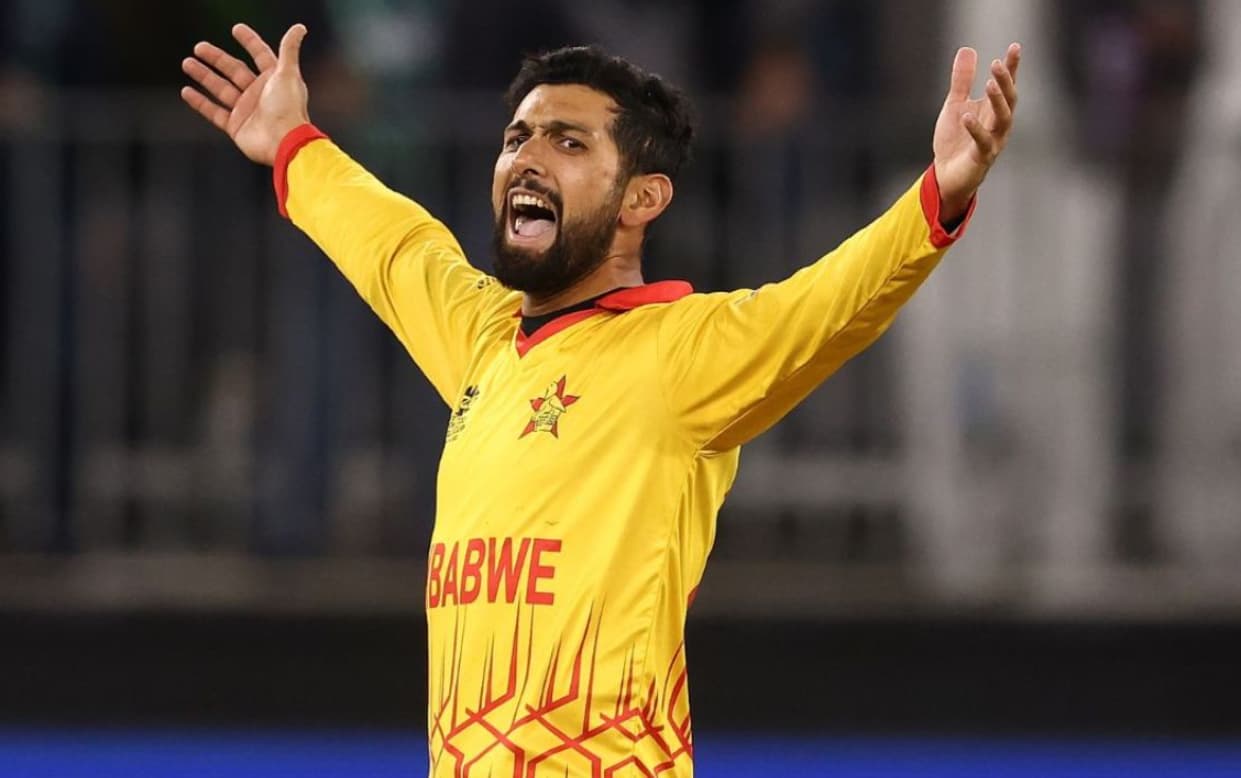
From Super Over heroics to controlled chases, seasoned campaigners consistently rise when elimination pressure peaks.
Top 5 Oldest players to win Player of the Match awards in T20 World Cup history
Experience and composure define this elite list spanning 2009 to 2026.
Veterans aged 39+ delivered match-winning performances under intense tournament pressure.
| Rank | Player | Age | Opponent | Year |
|---|---|---|---|---|
| 1 | Sanath Jayasuriya | 39 years, 345 days | West Indies | 2009 |
| 2 | Sikandar Raza | 39 years, 301 days | Sri Lanka | 2026 |
| 3 | Shoaib Malik | 39 years, 279 days | Scotland | 2021 |
| 4 | Tillakaratne Dilshan | 39 years, 155 days | Afghanistan | 2016 |
| 5 | David Wiese | 39 years, 15 days | Oman | 2024 |
The top five oldest players to win Man of the Match awards in T20 World Cup history
5. David Wiese vs Oman – 39 years, 15 days (2024)
- Match Situation
Namibia faced Oman in a low-scoring thriller during T20 World Cup 2024 that eventually required a Super Over to separate the teams. Wiese’s all-round contribution proved decisive on a difficult batting surface where control mattered more than power.
- Bowling Impact
The 39-year-old claimed three crucial wickets during regulation overs, restricting Oman to a modest total. In the Super Over, Wiese helped Namibia score 21 runs before returning to bowl, dismissing Naseem Khushi while conceding minimal runs to seal victory.
- Why It Mattered
Wiese demonstrated how experience translates into composure during nerve-wracking situations. His ability to execute under extreme pressure when elimination hung in the balance showcased why veterans remain invaluable in tournament cricket despite age concerns.
4. Tillakaratne Dilshan vs Afghanistan – 39 years, 155 days (2016)
- Chase Context
Sri Lanka needed 154 on a tricky Eden Gardens pitch where acceleration required careful timing. Dilshan anchored the chase with tactical intelligence, recognizing when to attack and when consolidation served better strategic purposes.
- Batting Performance
His unbeaten 83 off 56 balls combined aggression with stability, featuring eight fours and three sixes. Dilshan reached fifty in 37 deliveries, maintaining strike rotation while punishing loose deliveries to guide Sri Lanka to a six-wicket victory.
- Tournament Significance
The innings provided stability in Sri Lanka’s 2016 campaign, demonstrating how veteran presence steadies teams during challenging chases. Dilshan’s controlled approach under pressure justified the selection of experienced players in high-stakes tournaments.
3. Shoaib Malik vs Scotland – 39 years, 279 days (2021)
- Entry Moment
Pakistan required late-innings acceleration when Malik walked in against Scotland. The situation demanded immediate impact rather than gradual consolidation, testing his ability to deliver instant results under tournament pressure.
- Explosive Knock
Malik smashed an unbeaten 54 off just 18 balls, ending his 12-year wait for a World Cup fifty. The explosive innings featured clean hitting and intelligent shot selection, proving age hadn’t diminished his ability to dominate bowling attacks.
- Experience Factor
His calm finishing showcased how veterans read match situations better than their younger counterparts. Malik’s game awareness enabled him to identify scoring opportunities quickly while maintaining composure when Pakistan needed decisive contributions.
2. Sikandar Raza vs Sri Lanka – 39 years, 301 days (2026)
- Pressure Scenario
Zimbabwe faced rising required rates on a sluggish Colombo surface where boundaries came infrequently. Raza entered when the chase threatened to drift beyond reach, requiring immediate counterattack without reckless aggression.
- Counterattack Strategy
His 45 off 26 balls targeted Sri Lankan spinners through clean hitting and smart placement. Raza identified scoring options rapidly, exploited favorable matchups, and ensured the asking rate remained manageable throughout his partnership.
- Leadership Value
Beyond raw numbers, Raza’s game awareness and tactical intelligence turned the chase decisively. His performance helped Zimbabwe finish unbeaten through group stages in T20 World Cup 2026, underlining how veteran composure influences tournament outcomes.
1. Sanath Jayasuriya vs West Indies – 39 years, 345 days (2009)
- Opening Statement
Jayasuriya produced vintage aggression at Trent Bridge, setting the tone immediately by attacking the West Indies bowling from the first over. His intent signaled Sri Lanka’s determination to post a formidable total rather than accumulate cautiously.
- Match-Winning Innings
The left-hander blasted 81 off just 47 deliveries, striking 10 boundaries and three sixes. His blistering knock propelled Sri Lanka to 192, a total that proved insurmountable for the West Indies on that surface and conditions.
- Legacy Moment
At 39 years and 345 days, Jayasuriya became the oldest players to win player of the match awards in T20 World Cup history, cementing his legacy as one of cricket’s greatest impact players. The innings demonstrated how attacking intelligence combined with experience dominates even in youth-focused formats.
Conclusion:
The oldest players to win player of the match awards in T20 World Cup history demonstrate that age enhances rather than diminishes competitive value when combined with fitness and tactical intelligence.
From Jayasuriya’s explosive 2009 assault to Raza’s calculated 2026 chase, veterans consistently deliver under maximum pressure.
These performances reveal patterns: experienced players read situations faster, execute plans more calmly, and convert pressure into advantage through superior game awareness.
Physical conditioning extends careers, while mental maturity separates good players from match-winners when tournaments reach critical junctures.
- Age is not a barrier in T20 cricket – Fitness maintenance enables sustained excellence past 39 years in cricket’s most demanding format.
- Experience influences match awareness – Veterans recognize scoring opportunities and tactical shifts faster than their younger counterparts during high-pressure situations.
- Tactical maturity wins pressure games – Composure under elimination stakes transforms tight contests into controlled victories through intelligent execution.
- Fitness extends competitive longevity – Modern conditioning programs allow players to maintain performance standards well into their late thirties.
- Big tournaments reward composure – World Cup environments amplify experience advantages where tactical intelligence outweighs raw athleticism.
Also Check:
- Youngest Batter to Score 100s in T20 World Cup Tournament
- Teams Eliminated from T20 World Cup 2026
- Batsmen with Most Fours in T20 World Cup
- Biggest Win in T20 World Cups by an Associate Nation
About the Author
