Cricket venues around the world combine sport with stunning natural landscapes, historic architecture, and unique cultural settings.
Stadium beauty influences player performance, fan experience, and broadcast appeal.
Mountain backdrops, coastal locations, and heritage pavilions create visual identities that define each venue.
The most beautiful cricket stadium in the world 2026 rankings reflect this blend of nature, design, and cricket tradition.
Modern infrastructure now complements traditional grounds.
Aesthetic appeal has become as important as seating capacity or pitch quality in global cricket infrastructure.
Most Beautiful Cricket Stadium In The World 2026
Top 10 Most Beautiful Cricket Stadiums in the World
| Rank | Stadium Name | Country | Beauty Type | Key Visual Highlight |
|---|---|---|---|---|
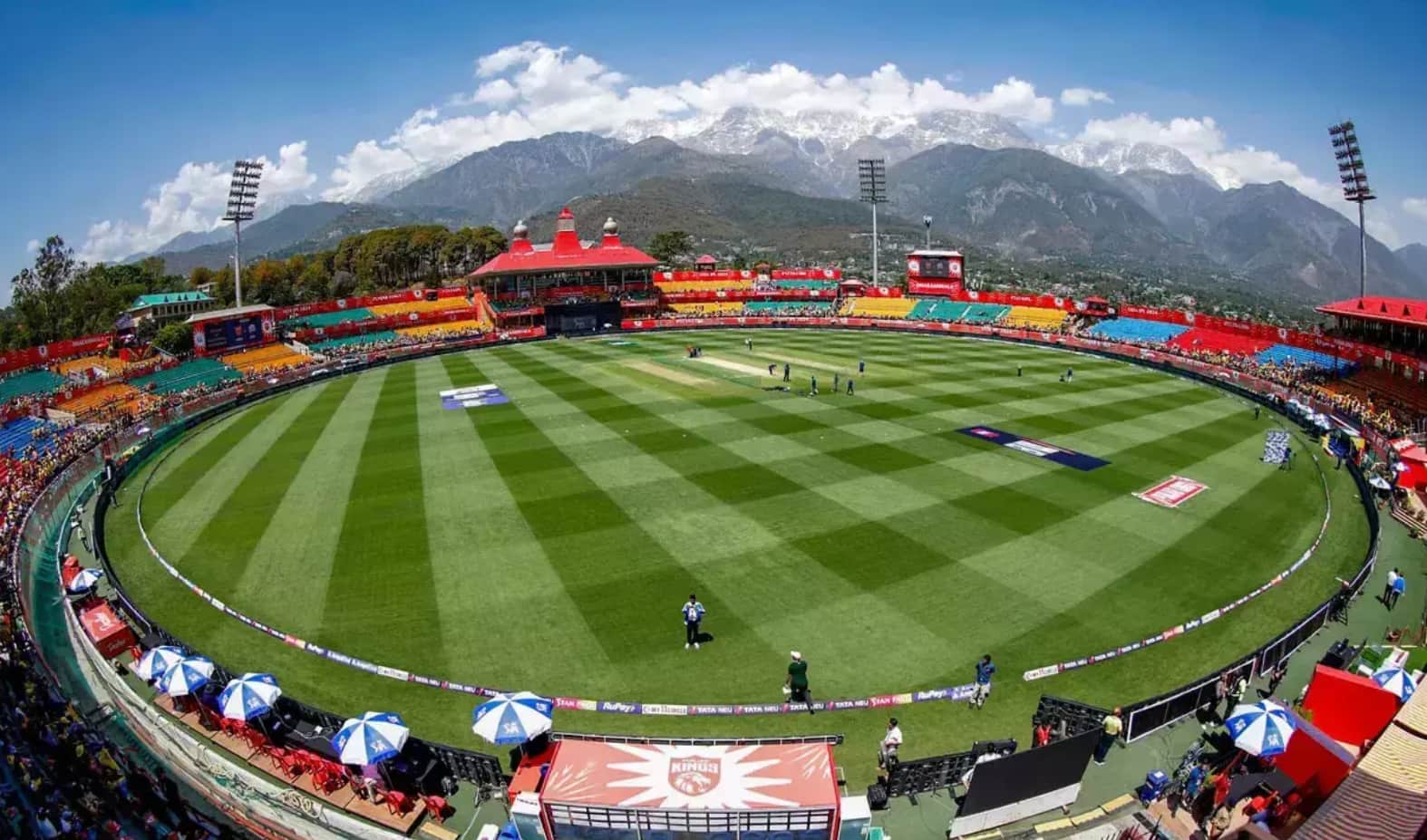
| 1 | HPCA Stadium, Dharamshala | India | Mountain | Snow-capped Dhauladhar Himalayan range |
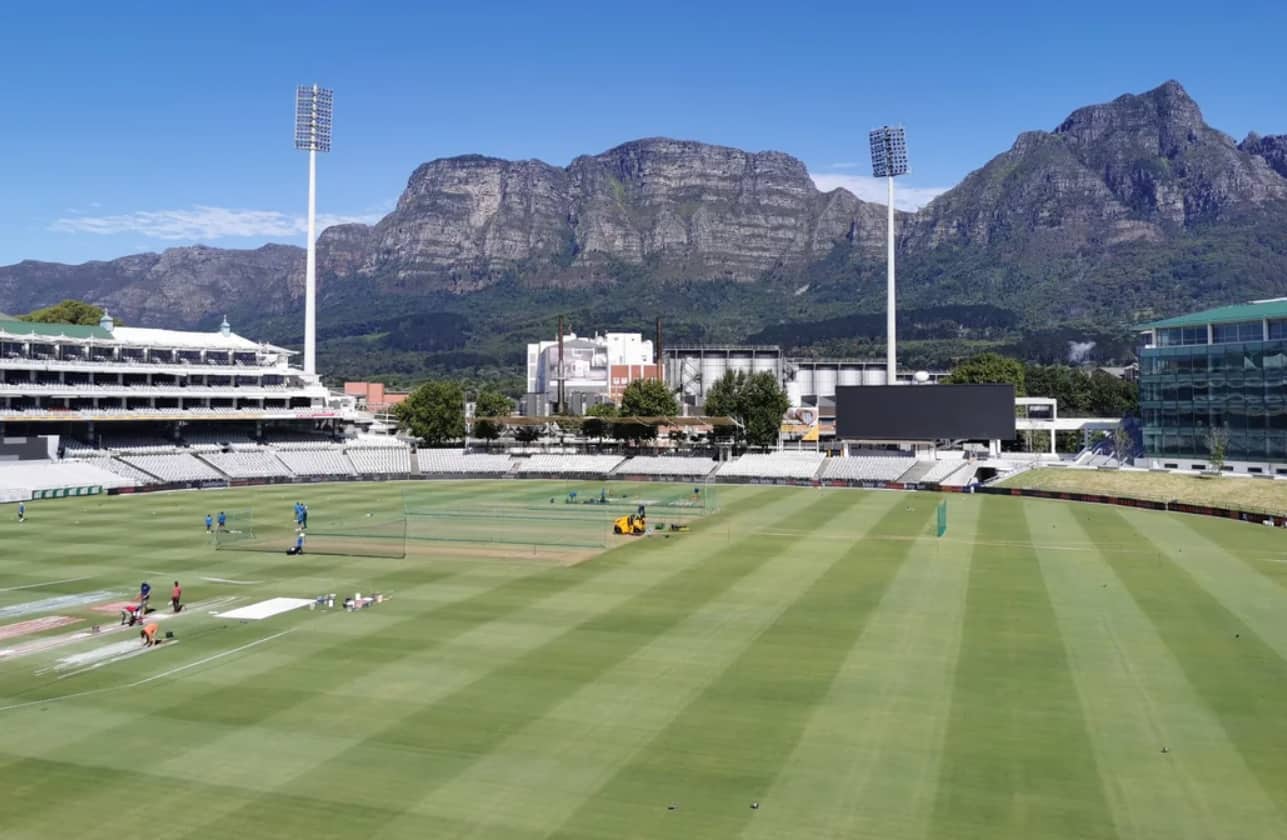
| 2 | Newlands Cricket Ground | South Africa | Mountain + Heritage | Table Mountain and Devil’s Peak backdrop |
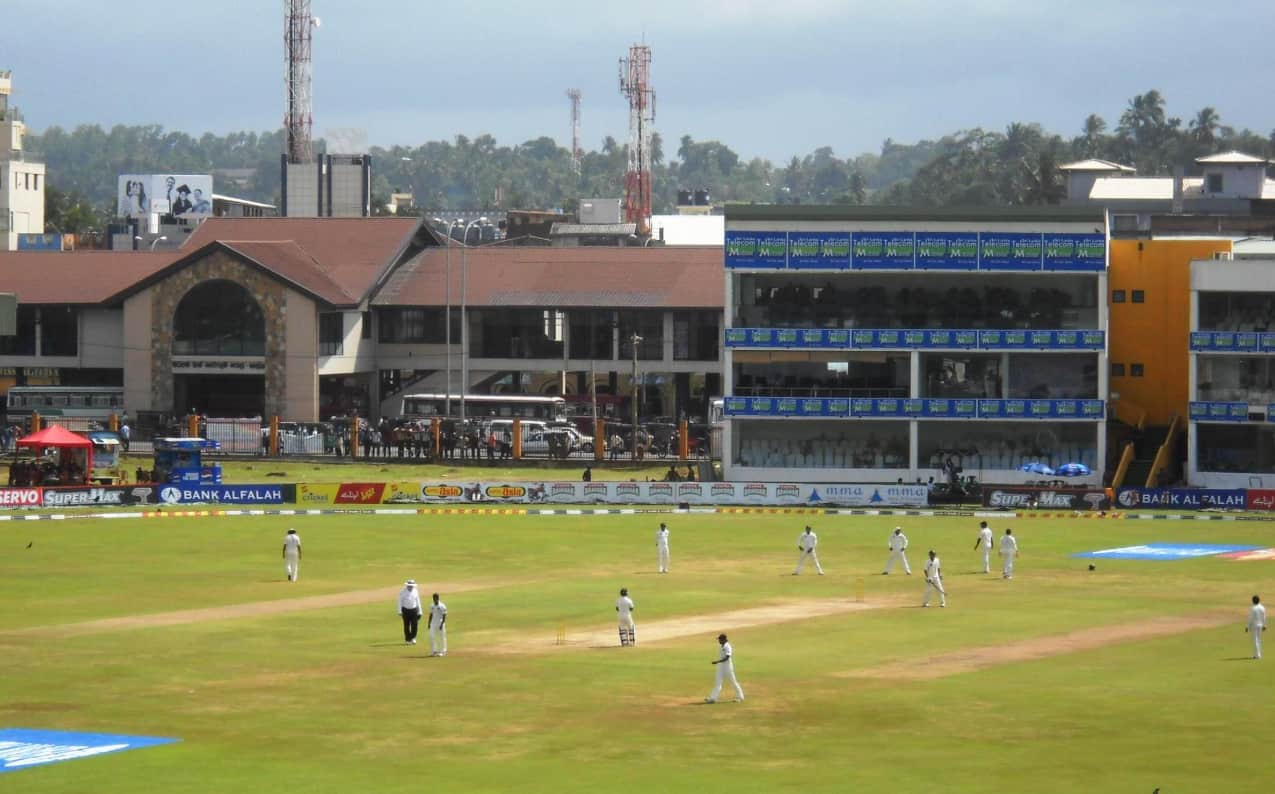
| 3 | Galle International Stadium | Sri Lanka | Coastal + Heritage | Indian Ocean and 17th-century Dutch Fort |
| 4 | Lord’s Cricket Ground | England | Heritage + Architecture | 1890 Victorian pavilion and historic slope |
| 5 | Adelaide Oval | Australia | Heritage + Parkland | Cathedral spires and heritage scoreboard |
| 6 | Sydney Cricket Ground | Australia | Garden + Heritage | Tree-lined urban park setting |
| 7 | Eden Gardens | India | Heritage + Atmosphere | Colonial pavilion with surrounding trees |
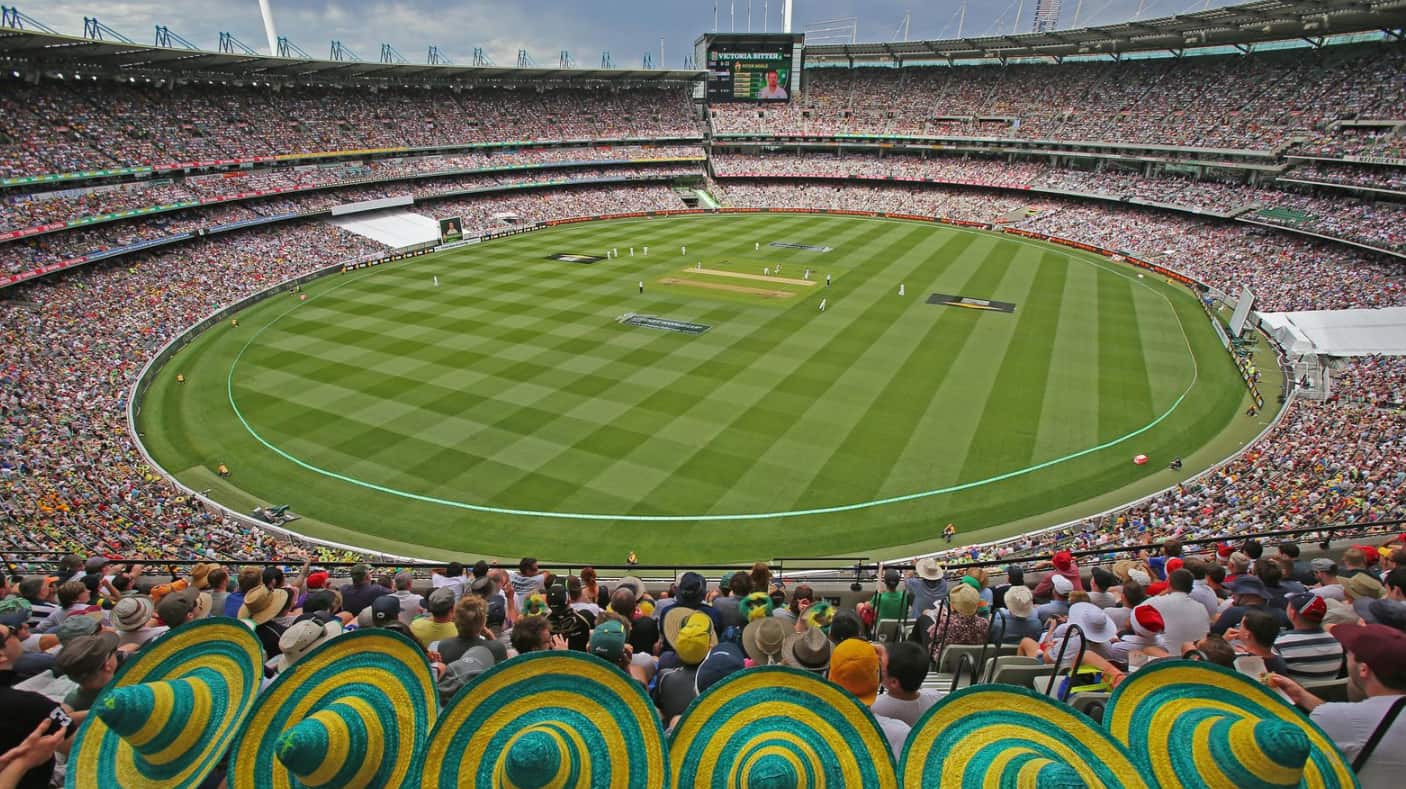
| 8 | Melbourne Cricket Ground | Australia | Scale + History | Massive 100,000+ capacity with Yarra Park |
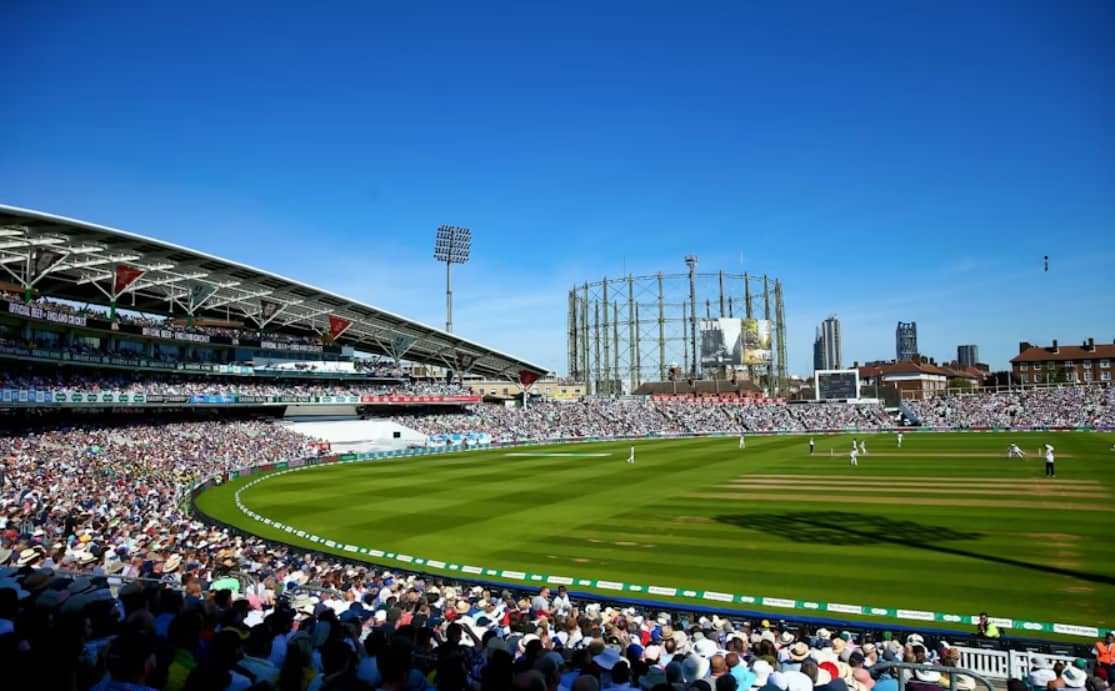
| 9 | The Oval | England | Historic Urban | Traditional South London green setting |
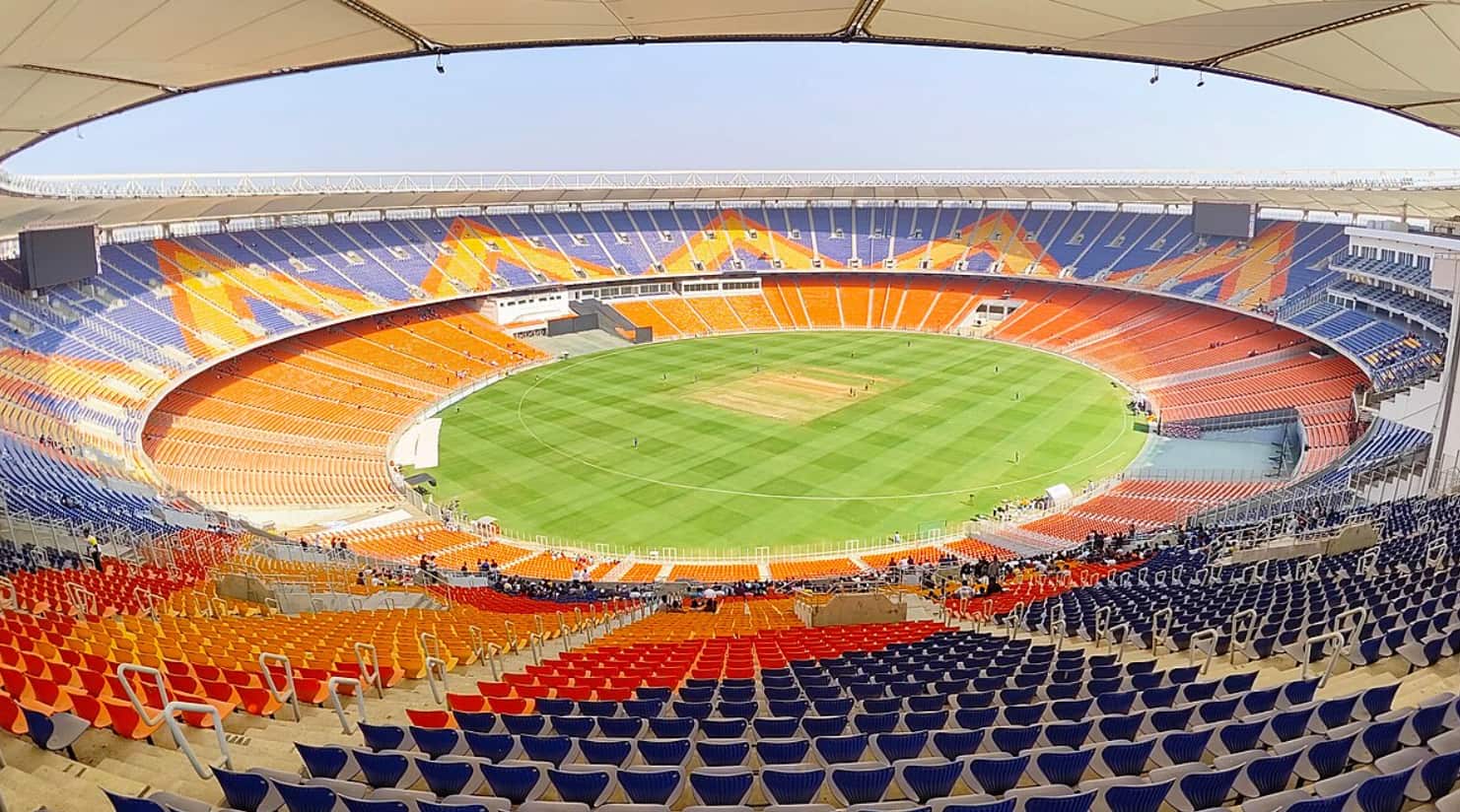
| 10 | Narendra Modi Stadium | India | Modern Mega | Circular bowl design with 132,000 capacity |
Top 10 Most Beautiful Cricket Stadiums in the World
HPCA Stadium, Dharamshala
| Established | Capacity | First International Match | Iconic Visual Feature | Surrounding Landscape |
|---|---|---|---|---|
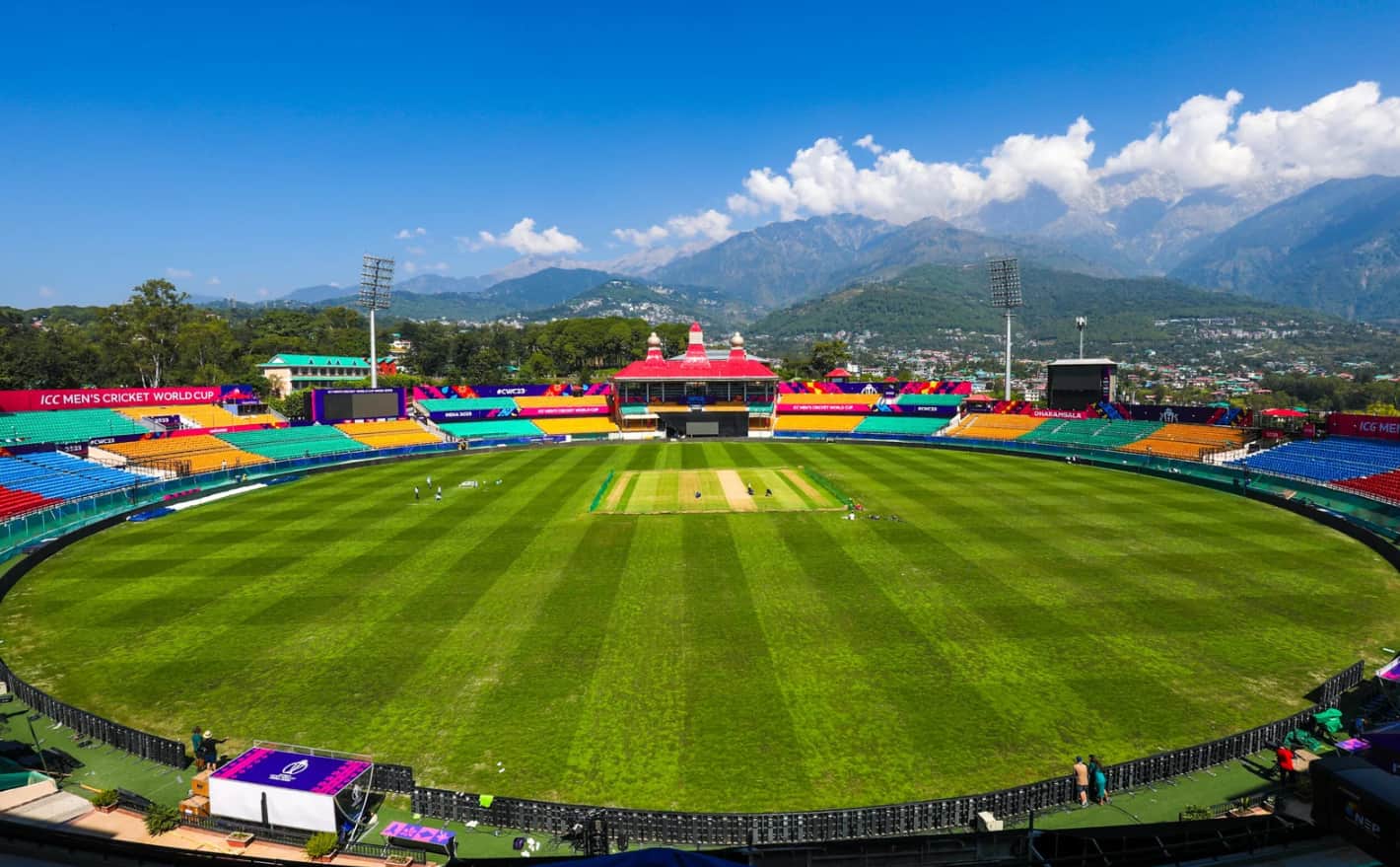
| 2003 | 21,200 | India vs England (ODI), 2013 | Dhauladhar mountain range | Pine forests, Himalayan peaks (4,000–5,000 m altitude) |
Why This Stadium Is Special?
- Himalayan altitude location: The HPCA Stadium sits at 1,457 meters above sea level, making it India’s highest international cricket venue. Snow-covered Dhauladhar peaks dominate every sightline during the winter months.
- Mountain climate advantage: Cool temperatures between 15–25°C provide comfortable playing conditions. Fresh mountain air and clear visibility enhance both player performance and spectator comfort.
- Test cricket heritage: Australia played its first Test here in 2017. International teams regularly rate this as the most scenic venue they have visited.
- Natural amphitheater design: Open stands allow unobstructed views of the surrounding pine forests. Crystal-clear air quality makes this one of the top 5 most beautiful cricket stadiums in the world.
Newlands Cricket Ground
| Established | Capacity | First International Match | Iconic Visual Feature | Surrounding Landscape |
|---|---|---|---|---|
| 1888 | 25,000 | South Africa vs England (Test), 1889 | Table Mountain (1,086 m) | Devil’s Peak, Mediterranean climate zone |
Why This Stadium Is Special?
- Table Mountain backdrop: The 1,086-meter flat-topped mountain creates one of cricket’s most recognizable stadium profiles. Devil’s Peak adds additional dramatic elevation on the eastern side.
- Colonial architecture preservation: Original wooden stands from the 1890s remain intact. The traditional pavilion structure maintains authentic Victorian-era design elements.
- Mediterranean microclimate: Temperatures stay between 18–28°C year-round. Green outfield quality benefits from Cape Town’s stable weather patterns.
- Test cricket tradition: This venue hosted South Africa’s first Test match in 1889. Cape Town’s oldest sporting facility continues hosting major international fixtures.
Galle International Stadium
| Established | Capacity | First International Match | Iconic Visual Feature | Surrounding Landscape |
|---|---|---|---|---|
| 1876 | 35,000 | Sri Lanka vs New Zealand (Test), 1998 | Dutch Fort walls (built 1588) | Indian Ocean coastline, palm trees |
Why This Stadium Is Special?
- UNESCO World Heritage setting: Galle Fort received World Heritage status for its 16th-century Dutch colonial fortifications. The stadium operates within these protected historical boundaries.
- Coastal ocean views: Indian Ocean waves are visible from spectator stands. Sea breeze affects bowling conditions, particularly for spin and reverse swing.
- Tropical aesthetics: Palm trees surround the ground perimeter. Warm temperatures (28–32°C) and coastal humidity create distinctive playing conditions.
- Post-tsunami reconstruction: The stadium reopened in 2007 after the 2004 tsunami damage. Modern facilities now blend with preserved fort architecture, making it the most beautiful cricket stadium in Asia for many observers.
Lord’s Cricket Ground
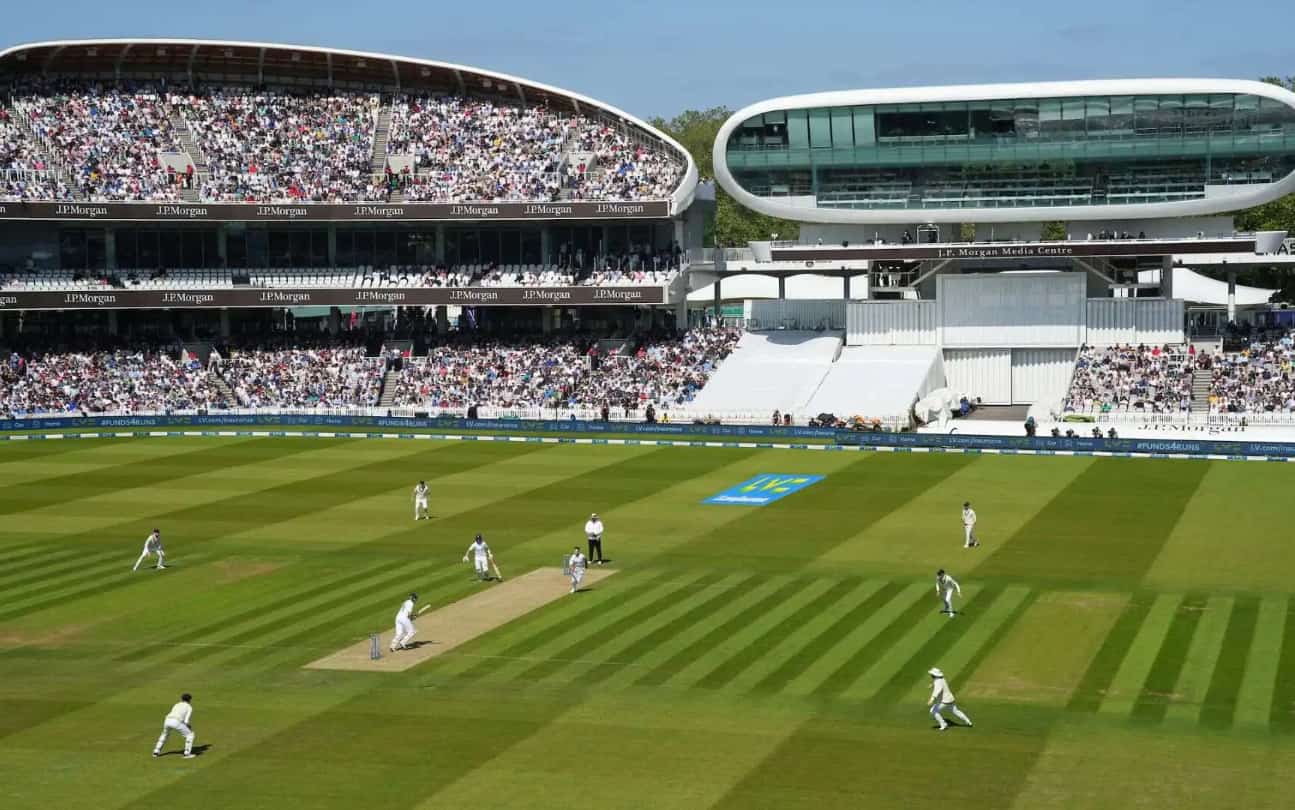
| Established | Capacity | First International Match | Iconic Visual Feature | Surrounding Landscape |
|---|---|---|---|---|
| 1814 | 31,100 | England vs Australia (Test), 1884 | 1890 pavilion and playing slope | St John’s Wood, North London parkland |
Why This Stadium Is Special?
- Global cricket headquarters: Lord’s houses the MCC and ICC offices. The pavilion’s long room and dressing rooms represent cricket’s institutional center.
- 2.5-meter ground slope: The playing surface drops across its width, creating unique bowling and fielding angles. Batsmen and bowlers must adjust their techniques for this natural gradient.
- Victorian architecture: The 1890 pavilion holds Grade II listed heritage status. Red-brick facade and white balustrades define traditional English cricket aesthetics.
- Ashes history: Multiple Ashes series have been decided here. The venue’s formal atmosphere and maintained lawns make it the most beautiful stadium in the world for traditionalists.
Adelaide Oval Cricket Ground
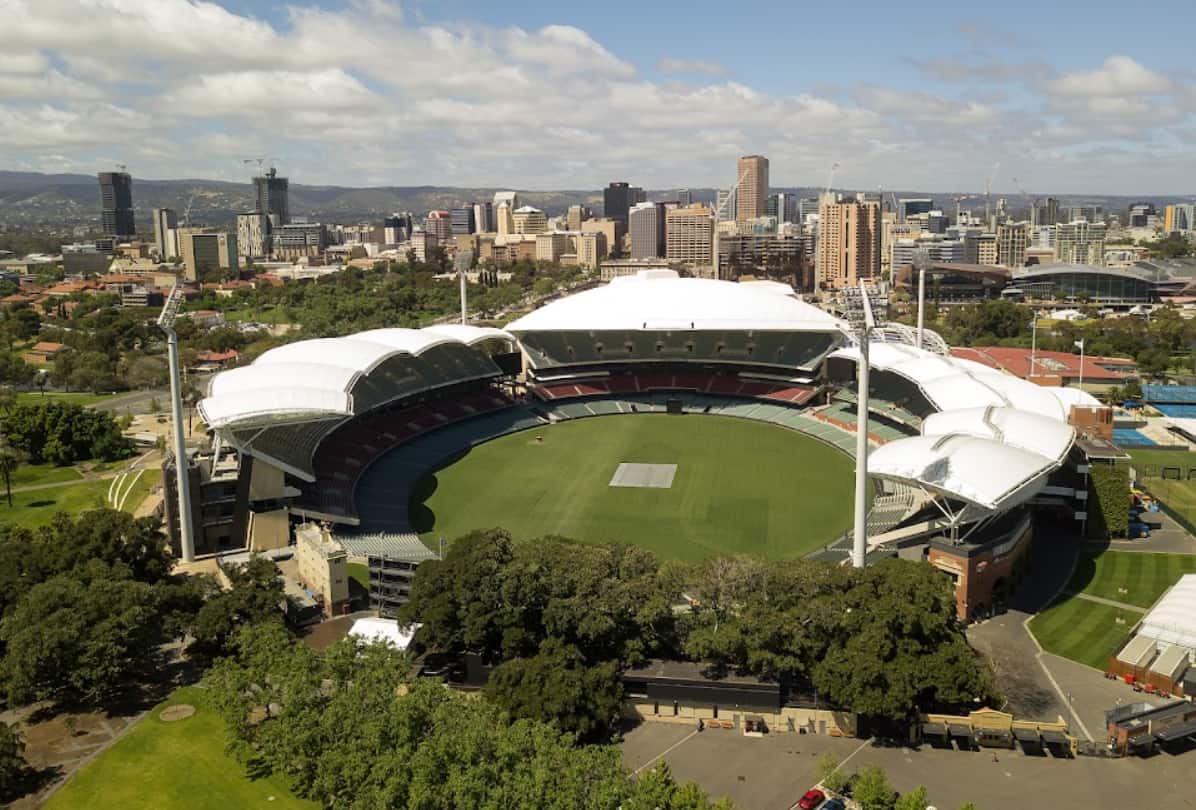
| Established | Capacity | First International Match | Iconic Visual Feature | Surrounding Landscape |
|---|---|---|---|---|
| 1871 | 53,500 | Australia vs England (Test), 1884 | Heritage scoreboard and cathedral spires | River Torrens parklands |
Why This Stadium Is Special?
- Cathedral end views: St Peter’s Cathedral spires rise above the northern end. This combination of sports and religious architecture creates Adelaide’s signature skyline.
- Heritage scoreboard: The 1911 manual scoreboard remains operational. Modern redevelopment (2010–2014) preserved this historic structure.
- Day-night Test innovation: Adelaide hosted cricket’s first day-night Test in 2015. Pink ball cricket under lights added a new visual dimension to the venue.
- Parkland integration: River Torrens green spaces surround three sides. Open design connects the stadium to Adelaide’s central recreational zones.
Sydney Cricket Ground
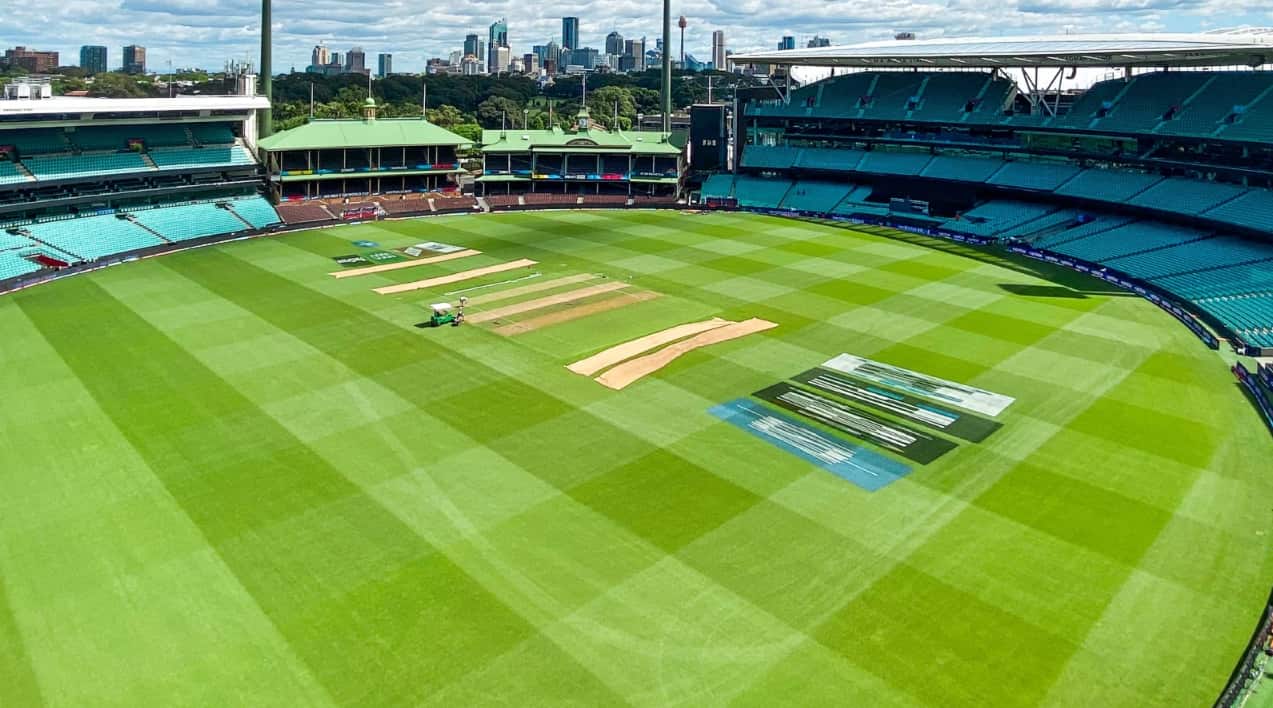
| Established | Capacity | First International Match | Iconic Visual Feature | Surrounding Landscape |
|---|---|---|---|---|
| 1848 | 48,000 | Australia vs England (Test), 1882 | Members Pavilion and Hill area | Moore Park trees and urban gardens |
Why This Stadium Is Special?
- New Year’s Test tradition: The SCG hosts Australia’s annual January Test match. This fixture has become synonymous with Australian summer cricket culture.
- Garden-style setting: Tree-lined boundaries create natural shade zones. Moore Park’s established vegetation gives the ground a park-like atmosphere.
- Colonial pavilion: Original Members Pavilion maintains Victorian-era design. Classic stands in contrast with modern sections, preserving historical character.
- Hill culture: The grassed spectator hill fostered a legendary crowd atmosphere. While now replaced by seating, the area retains its cultural significance.
Eden Gardens Stadium
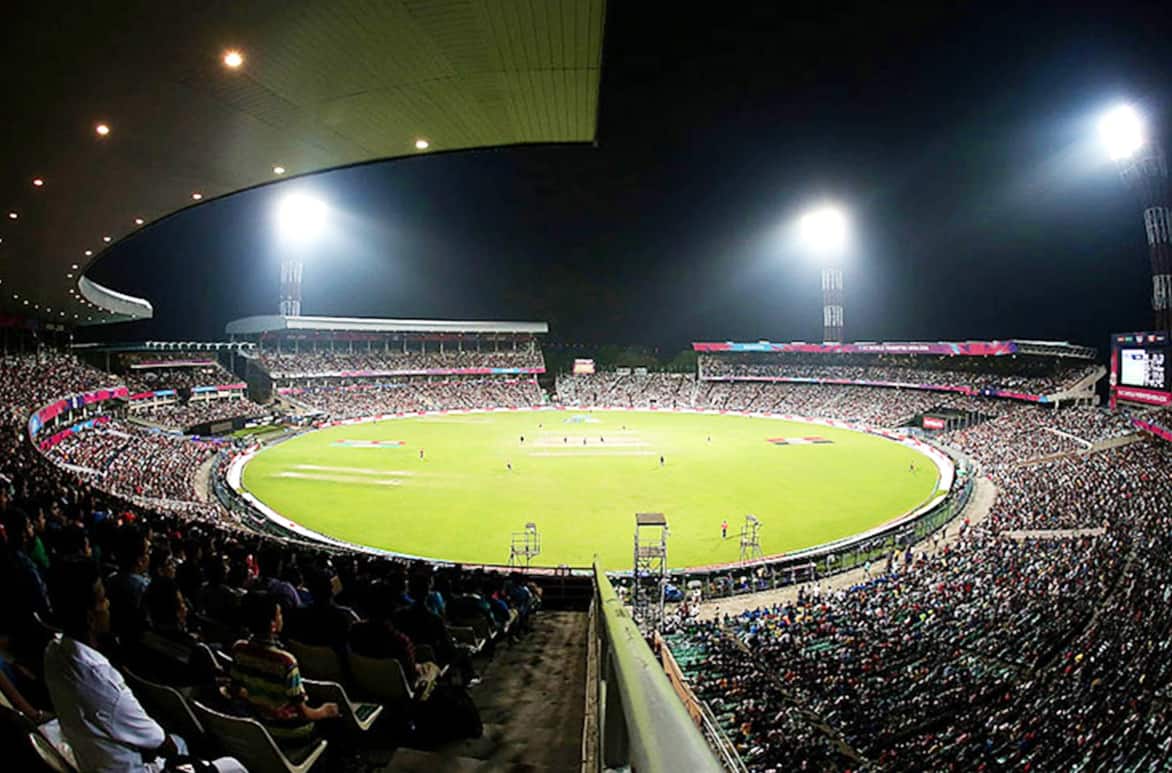
| Established | Capacity | First International Match | Iconic Visual Feature | Surrounding Landscape |
|---|---|---|---|---|
| 1864 | 68,000 | India vs England (Test), 1934 | Colonial pavilion and boundary trees | Kolkata urban setting with perimeter greenery |
Why This Stadium Is Special?
- Crowd intensity: Bengal’s cricket passion creates electric match atmospheres. Eden Gardens’ 68,000 capacity produces noise levels that influence game momentum.
- 1987 and 1996 World Cup finals: The stadium hosted two ICC World Cup finals. The 2001 Test against Australia remains one of cricket’s greatest comeback victories.
- Heritage architecture: Original colonial pavilion dates to the 1860s. Tall trees around the boundary provide shade and aesthetic appeal, contributing to its status as the most beautiful cricket stadium in india for many.
- Cultural significance: Known as the “Mecca of Indian Cricket” for its historical importance. Test cricket has been played here for 90 years.
Melbourne Cricket Ground
| Established | Capacity | First International Match | Iconic Visual Feature | Surrounding Landscape |
|---|---|---|---|---|
| 1853 | 100,024 | Australia vs England (Test), 1877 | Circular stadium bowl design | Yarra Park, central Melbourne |
Why This Stadium Is Special?
- First Test match venue: The MCG hosted cricket’s inaugural Test in 1877. Over 100 Test matches have been played here since.
- Massive scale: The 100,024 capacity makes it cricket’s largest traditional venue. Boxing Day Tests regularly draw 85,000+ daily attendances.
- Multi-sport facility: The MCG hosts AFL, soccer, and rugby alongside cricket. This versatility influences its grand bowl architecture.
- Yarra Park location: Surrounding parklands provide green space in Melbourne’s urban core. The stadium’s scale makes it visible from multiple city viewpoints.
The Oval
| Established | Capacity | First International Match | Iconic Visual Feature | Surrounding Landscape |
|---|---|---|---|---|
| 1845 | 27,500 | England vs Australia (Test), 1880 | Victorian pavilion and gasholders | Kennington, South London |
Why This Stadium Is Special?
- Ashes history: Multiple Ashes series have reached decisive final Tests at The Oval. The 2005 Ashes draw here secured England’s series victory.
- Urban heritage setting: Distinctive Victorian gasholders once stood behind the venue. Traditional South London architecture surrounds the ground.
- Green outfield quality: The playing surface maintains consistently high standards. Groundstaff reputation ensures ideal batting and bowling conditions.
- Pavilion architecture: Classic Victorian pavilion overlooks the playing area. Red-brick structure represents traditional English sporting venues, making it one of the most beautiful cricket stadiums in the world top 10.
Narendra Modi Stadium
| Established | Capacity | First International Match | Iconic Visual Feature | Surrounding Landscape |
|---|---|---|---|---|
| 1982 (rebuilt 2020) | 132,000 | India vs West Indies (Test), 1983 | Circular bowl design, LED lighting | Sabarmati Riverfront, Ahmedabad |
Why This Stadium Is Special?
- World’s largest capacity: The 132,000-seat design surpasses Melbourne Cricket Ground. Complete reconstruction in 2020 created modern mega-stadium infrastructure.
- LED lighting system: Advanced floodlighting enables day-night cricket. The circular bowl design ensures consistent light distribution across the playing surface.
- Modern architecture: Contemporary design contrasts with traditional cricket venues. The stadium represents India’s investment in cricket facilities.
- Sabarmati location: Built near Ahmedabad’s riverfront development zone. The venue is part of Gujarat’s broader sports infrastructure expansion, establishing it among the top 20 most beautiful cricket stadiums in the world rankings.
Conclusion:
Stadium aesthetics influence cricket’s global appeal beyond competition results.
The most beautiful cricket stadium in the world 2026 rankings show how venues blend natural landscapes, architectural heritage, and modern infrastructure.
Mountain ranges, ocean coastlines, and urban parklands create distinctive venue identities.
These settings enhance player experience and broadcast value.
- Nature meets cricket: Himalayan peaks, Table Mountain, and Indian Ocean views define several venues. These natural features create backdrops that distinguish cricket from indoor sports.
- Heritage and history: Lord’s, The Oval, and Adelaide Oval preserve Victorian-era architecture. Colonial pavilions and traditional stands maintain cricket’s connection to its 19th-century origins, as documented in resources like the most beautiful cricket stadium in the world Wikipedia entries.
- Modern stadium evolution: Narendra Modi Stadium’s 132,000 capacity represents contemporary infrastructure. LED lighting and circular bowl designs show how stadium technology advances.
- Why these stadiums stand out in 2026: Indian venues including HPCA Stadium and Eden Gardens rank among the top 10 beautiful cricket stadium in India. Their combination of natural settings, crowd atmosphere, and historical significance makes each ground distinctive in global cricket infrastructure.
Also Check:
- Barabati Stadium Records
- Narendra Modi Stadium IPL Records
- How Many International Cricket Stadiums in India
- Smallest Cricket Stadium In India
- Maharaja Yadavindra Singh International Cricket Stadium
About the Author
