The indian women cricketers salary 2026 reflects significant progress in professional women’s cricket in India.
The Board of Control for Cricket in India (BCCI) has implemented structured payment systems that recognize player contributions across formats.
This salary framework includes annual central contracts divided into three grades, along with format-specific match fees.
The structure ensures financial stability for players while promoting competitive excellence.
Indian Women Cricketers Salary 2026
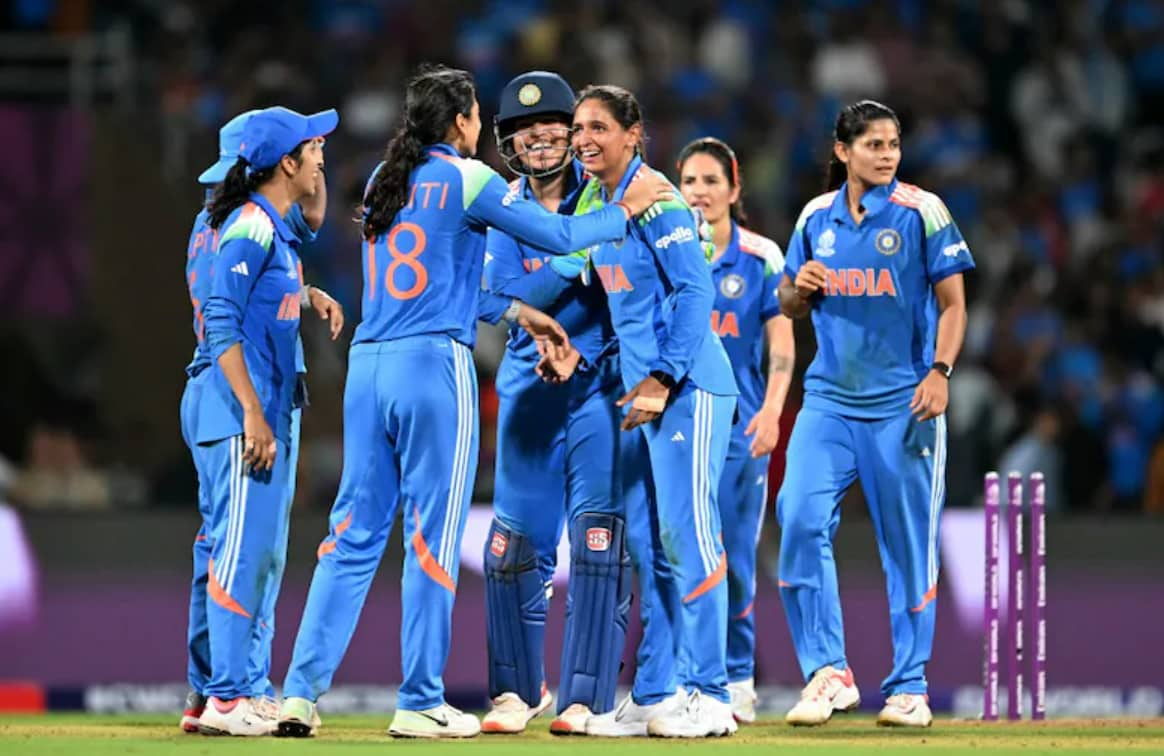
The evolution from minimal recognition to structured professional earnings marks a transformative phase in Indian women’s cricket development.
Indian Women Cricketers Salaries 2026 of Grade A, B, C
The BCCI categorizes contracted players into three distinct salary grades based on performance consistency, experience, and team contribution.
Each grade determines the annual retainer amount players receive.
This tiered system provides clear financial progression pathways for cricketers at different career stages.
The structure balances rewarding established performers while supporting emerging talent development.
| Grade | Annual Salary (INR) | Player Category |
|---|---|---|
| Grade A | ₹50 Lakh | Senior Core Players |
| Grade B | ₹30 Lakh | Regular Squad Members |
| Grade C | ₹10 Lakh | Emerging & Rotational Players |
Growth of Women’s Cricket in India
- 2017 World Cup Turning Point: The ICC Women’s World Cup 2017 final marked a watershed moment for Indian women’s cricket. The team’s performance against England captured national attention and shifted public perception toward women’s cricket as mainstream entertainment.
- Rise of Star Players: Players like Mithali Raj, Harmanpreet Kaur, and Smriti Mandhana emerged as household names. Their consistent performances across formats established credibility and inspired youth participation in women’s cricket nationwide.
- Increase in Broadcast & Sponsorship: Major broadcasters began acquiring rights for women’s cricket matches. Corporate sponsors recognized commercial potential, leading to increased investment in team sponsorships and individual player endorsements.
- Fan Engagement & Stadium Attendance: Stadium attendance for women’s matches increased substantially. Social media engagement metrics demonstrated growing fan bases, with players gaining millions of followers and significant online presence.
How BCCI Helped Women’s Cricket in India?
- Central Contracts System: The BCCI introduced central contracts for women cricketers, providing annual retainers independent of match fees. This system ensures financial security and allows players to focus exclusively on cricket without secondary employment concerns.
- Equal Match Fees Policy: In 2022, the BCCI implemented equal match fees for men and women across all formats. This policy positioned India as a leader in cricket pay equity globally.
- Domestic Structure Strengthening: The board expanded domestic tournaments, including senior one-day and multi-day competitions. Increased tournament frequency provides more competitive exposure and player development opportunities.
- Infrastructure & Training Support: Investment in dedicated training facilities, coaching staff, and sports science support improved preparation quality. Players now access world-class resources comparable to men’s cricket infrastructure.
Indian Women Cricketers Salary 2026
Grade A Indian Women Cricketers Salary 2026
Grade A players earn ₹50 lakh annually as base salary.
This category includes India’s most experienced and consistent performers who anchor the team across formats.
Current Grade A contracted players include Harmanpreet Kaur, Smriti Mandhana, and Deepti Sharma.
These players demonstrate exceptional performance records and leadership contributions to the national team.
Grade B Indian Women Cricketers Salary 2026
Grade B players receive ₹30 lakh annually.
This category comprises regular squad members who contribute consistently across formats and maintain selection in the national team.
Players like Renuka Thakur and Jemimah Rodrigues hold Grade B contracts.
These cricketers provide depth and flexibility in team selection while developing toward Grade A classification.
Grade C Indian Women Cricketers Salary 2026
Grade C contracts provide ₹10 lakh annually to emerging and rotational players.
This entry-level category supports talent development while rewarding breakthrough performances.
Players like Sneh Rana and Yastika Bhatia hold Grade C contracts.
This classification enables young cricketers to pursue professional careers while establishing themselves in international cricket.
Indian Women Cricketers Salary in Test
Test cricket offers the highest match fee among formats, reflecting the extended duration and physical demands of multi-day cricket.
| Format | Match Fee (INR) |
|---|---|
| Test | ₹15 Lakh Per Match |
Players earn ₹15 lakh per Test match in addition to their annual contract amounts. This fee structure applies equally to men’s and women’s Test cricket under BCCI’s equal pay policy.
Indian Women Cricketers’ Salary in ODIs
One Day International matches constitute a significant portion of the international calendar for women’s cricket.
| Format | Match Fee (INR) |
|---|---|
| ODI | ₹6 Lakh Per Match |
The ₹6 lakh per match fee for ODIs provides substantial earnings during bilateral series and multi-nation tournaments. Players participating in 15-20 ODIs annually can significantly supplement their contract salaries.
Indian Women Cricketers Salary in T20Is
Twenty20 International cricket represents the most frequently played format in women’s international cricket.
| Format | Match Fee (INR) |
|---|---|
| T20I | ₹3 Lakh Per Match |
Players earn ₹3 lakh per T20I match. With multiple T20I series throughout the year, regular squad members accumulate significant match fee earnings beyond their annual contracts.
Highest Paid Indian Women Cricketer 2026
- Harmanpreet Kaur: As captain across all formats, Harmanpreet Kaur holds a Grade A contract worth ₹50 lakh annually. Her earnings extend beyond BCCI payments through WPL contracts and multiple brand endorsements, making her among the highest-paid Indian women cricketers.
- Smriti Mandhana: The vice-captain and opening batter commands substantial earnings from her Grade A contract, WPL salary, and extensive endorsement portfolio. Mandhana’s marketability as one of cricket’s most recognizable female athletes generates significant commercial income.
Combined match fees, WPL auction earnings, and endorsement deals position both players well above their base contract values in total annual income.
Women’s Premier League Salary Impact
- Auction-Based Earnings Model: The WPL introduced competitive auction mechanisms where players command market-driven salaries. Top players earn several crores through WPL contracts, substantially exceeding their BCCI central contract amounts.
- Increased Brand Deals: WPL visibility elevated player profiles nationally and internationally. Commercial brands increased endorsement spending on women cricketers, creating additional revenue streams beyond playing contracts.
- International Recognition Boost: The league’s success attracted global attention to Indian women cricketers. International T20 leagues began recruiting Indian players, though BCCI NOC policies regulate participation.
- Financial Stability for Players: Combined central contracts and WPL earnings provide long-term financial security. Players can now pursue cricket as a sustainable professional career without financial uncertainty.
Indian Women’s Cricket Team Salary FAQ
- What Is the Salary of Indian Women Cricketers in 2026?
The indian women cricketers salary 2026 ranges from ₹10 lakh to ₹50 lakh annually based on contract grades. Additionally, players earn ₹3 lakh to ₹15 lakh per match depending on the format.
- Who Is the Highest Paid Woman Cricketer in India?
Smriti Mandhana and Harmanpreet Kaur are among the highest-paid Indian women cricketers when combining BCCI contracts, WPL salaries, and endorsement earnings.
- How the Women’s Premier League Increased Indian Women Cricketers Salary?
The WPL created auction-based earnings opportunities where top players command multi-crore contracts. Increased visibility led to higher endorsement values and overall income growth beyond BCCI payments.
Conclusion
The indian women cricketers salary 2026 demonstrate substantial progress in professional compensation structures.
The BCCI’s implementation of equal match fees and structured central contracts provides financial stability and career sustainability.
The combination of BCCI contracts, WPL earnings, and commercial endorsements creates multiple income streams for players.
This financial ecosystem supports full-time professional careers in women’s cricket.
Key Highlights:
- Grade A earns ₹50 lakh annually
- Equal match fees introduced across formats
- WPL increased overall earnings substantially
- Central contracts ensure financial stability
- Top players earn additional income through endorsements
Also Check:
- India Women’s Tour of Australia 2026 Live Streaming
- Women’s Premier League WPL Winners List
- India Women’s Tour Of Australia 2026 Schedule
About the Author
