CSK ka baap kaun hai = Who owns CSK, who controls the Chennai Super Kings franchise?
This is what thousands of cricket fans search every month, trying to understand who actually runs one of the IPL’s most successful teams.
Chennai Super Kings has built an empire with 5 championship trophies (2010, 2011, 2018, 2021, 2023), making them the joint-most successful franchise in IPL history alongside the Mumbai Indians.
Their dominance isn’t accidental—it comes from strong ownership, clear vision, and consistent management over 16 years.
The “Yellow Army” fanbase is legendary. CSK fans pack stadiums, create viral social media content, and defend their team with passion that rivals global football clubs.
With 10 final appearances in 14 seasons, a 58.33% win rate across 240 matches, and playoff qualification 12 times, CSK’s consistency is unmatched.
But behind every great team is great ownership—the entity that invests money, sets strategy, hires players, and shapes the franchise’s identity.
CSK Ka Baap Kaun Hai
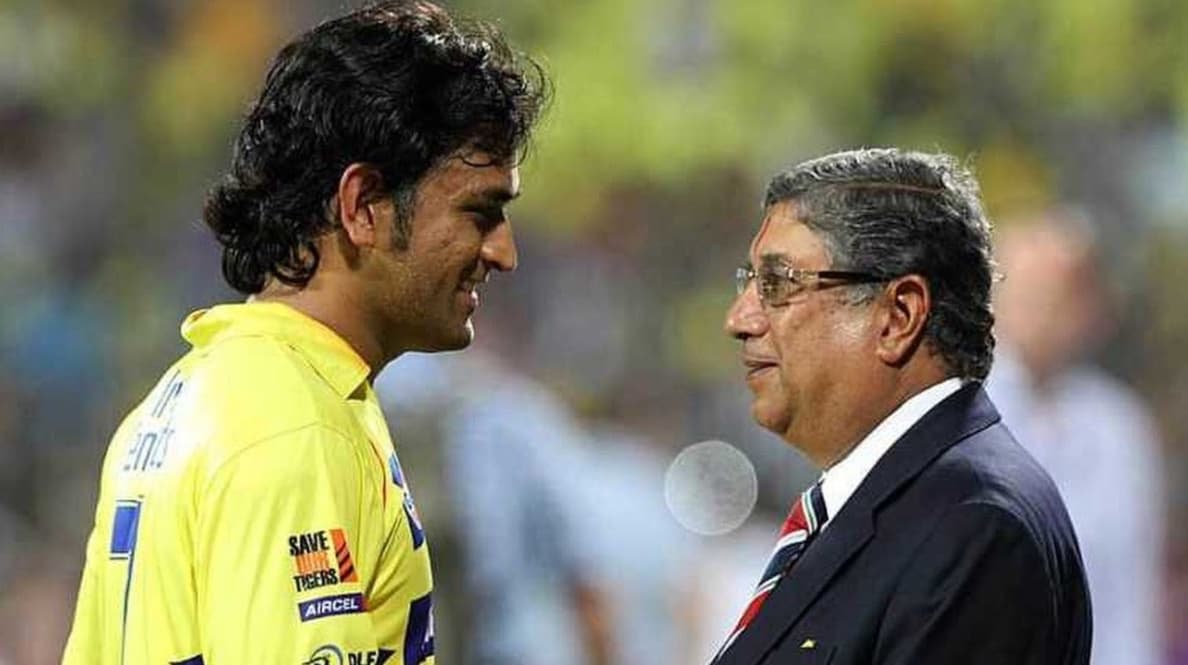
This guide answers the ownership question completely. We’ll reveal who owns CSK, how the ownership structure works, why certain decisions get made, and how this ownership created one of cricket’s most valuable brands (worth over $1 billion).
Understanding the business side helps fans appreciate why CSK operates differently, why they value experience over youth, why MS Dhoni stayed 15+ years, and why consistency defines their approach to building championship teams.
What Does “Baap” Mean in IPL Ownership?
The phrase Chennai Super Kings ka Baap Kaun Hai confuses many people because “baap” has different meanings depending on context.
Meaning Breakdown
| Term | Literal Meaning | In IPL Context | What Fans Really Want to Know |
|---|---|---|---|
| Baap | Father | Owner/Boss/Controller | Who makes final decisions? |
| CSK Ka Baap | CSK’s Father | CSK’s Ultimate Authority | Who controls the franchise? |
| Maalik | Master/Owner | Legal Franchise Owner | Who purchased the team? |
| Boss | Leader | Decision-Maker | Who sets strategy and vision? |
Two Different Questions:
Question 1 (Rivalry Context): “Which team dominates CSK in head-to-head matches?”
- Answer: Mumbai Indians (20-17 record, only team with a winning record vs CSK)
- This is about on-field rivalry and competition
Question 2 (Ownership Context): “Who owns and controls Chennai Super Kings?”
- Answer: N. Srinivasan through Chennai Super Kings Private Limited
- This is about business ownership and management structure
Most fans searching “CSK ka baap kaun hai” want to know about ownership (Question 2), not rivalry. They want to understand:
- Who purchased the franchise?
- Who decides player auctions and retention?
- Who approved keeping Dhoni for 15+ years?
- Who sets the team’s long-term vision?
- Who controls CSK’s financial decisions?
This guide focuses on ownership—the people and companies that own, operate, and control CSK as a business entity.
Full Ownership Structure: Who Controls CSK?
The Owner of CSK isn’t just one person writing personal checks. It’s a structured corporate entity with proper legal frameworks, boards, and professional management.
Current Ownership Stakeholders
| Stakeholder | Ownership Role | Control Level | Key Responsibilities |
|---|---|---|---|
| Chennai Super Kings Pvt Ltd | Legal owner entity | Full ownership | Franchise rights, operations, decisions |
| N. Srinivasan | Chairman | Ultimate authority | Final decisions on major matters |
| India Cements Limited | Associated company | Financial backer | Strategic support, resources |
| Board of Directors | Governance body | Policy oversight | Corporate compliance, approvals |
| CEO/Management | Executive team | Daily operations | Player contracts, logistics, execution |
How Control Actually Works:
Top Level (Strategic):
- N. Srinivasan as Chairman makes final calls on major decisions
- Board of Directors provides governance and policy oversight
- Long-term vision, philosophy, and culture set at this level
- Examples: Retaining Dhoni, hiring coaches, auction philosophy
Middle Level (Tactical):
- CEO and management team execute ownership’s vision
- Identify player targets, negotiate contracts, manage budgets
- Handle sponsorships, partnerships, brand deals
- Examples: Specific player scouting, contract negotiations
Ground Level (Operational):
- Coaching staff manages team training and match tactics
- Captain leads on-field decisions during games
- Support staff handles logistics, travel, facilities
- Examples: Match strategy, playing XI selection, training routines
Key Point: The Owner of Chennai Super Kings (N. Srinivasan and CSK Pvt Ltd) controls strategic vision, while management and coaches execute that vision operationally.
History of Chennai Super Kings Ownership
The Beginning (2008)
In 2008, when the IPL was brand new, cities across India bid for franchise rights. In Chennai, businessman N. Srinivasan—owner of India Cements Limited, one of India’s largest cement companies—saw an opportunity. He bid approximately $91 million and won the Chennai franchise. This was one of the highest bids in the original auction, showing confidence in Chennai’s market potential.
Complete Ownership Timeline
| Period | Owner Entity | Key Figure | Major Events | Performance |
|---|---|---|---|---|
| 2008-2015 | India Cements Limited | N. Srinivasan | Won 4 IPL titles, built dynasty | Dominant era |
| 2016-2017 | Suspended | – | Spot-fixing ban, 2-year absence | Dark period |
| 2018-2020 | India Cements Limited | N. Srinivasan | Triumphant return, won 2018 title | Comeback success |
| 2021-Present | Chennai Super Kings Pvt Ltd | N. Srinivasan | Ownership restructured, regulatory compliance | Continued excellence |
Why Ownership Changed in 2021:
The 2021 restructuring addressed a conflict of interest issue:
- N. Srinivasan had served as BCCI President (2011-2014) while owning CSK
- This raised regulatory concerns about cricket administration vs team ownership
- Transferring to Chennai Super Kings Private Limited maintained operations while ensuring compliance
- Practical control remained with same group—N. Srinivasan stayed as Chairman
- Same philosophy, same culture, same management approach continued
What Stayed Consistent Through All Changes:
- The Person: N. Srinivasan remained the ultimate decision-maker from 2008 to the present
- The Philosophy: Value experience, build team culture, plan long-term
- The Results: 5 championships across different ownership structures
- The Culture: “CSK family” atmosphere that attracts and retains players
Chennai Super Kings Owner: Complete Leadership Profile
The Chennai Super Kings Owner—N. Srinivasan, through Chennai Super Kings Private Limited, operates with a distinctive philosophy that shaped CSK’s identity.
N. Srinivasan’s Background:
Business Empire:
- Owner of India Cements Limited (₹5,000+ crore company)
- Net worth estimated at over $1 billion
- Nearly 80 years of corporate history in cement manufacturing
- Professional management experience across decades
Cricket Administration:
- BCCI President (2011-2014)
- ICC Chairman (2014-2015)
- Deep understanding of cricket politics and operations
- Strategic connections across cricket world
Ownership Philosophy:
“Build Teams, Not Just Squads”
- Values chemistry between players over individual star power
- Believes 11 players working as family beats 11 individual superstars
- Creates environment where players genuinely care for each other
Experience Over Youth
- Willing to face criticism for backing older, proven players
- Trusts veterans in high-pressure situations (playoffs, finals)
- Believes experience trumps raw talent in crucial moments
Patience Over Panic
- Doesn’t overreact to one bad season with complete overhauls
- Backs struggling players through poor form
- Long-term vision (30-year franchise) vs short-term thinking (3-year plans)
Loyalty Breeds Success
- Players who feel valued perform better
- Long-term relationships create stability
- “CSK family” culture isn’t marketing—it’s genuine philosophy
Key Ownership Decisions That Built CSK:
Decision 1: Appointing MS Dhoni as Captain (2008)
- Dhoni was unproven in T20 leadership when IPL started
- Ownership trusted his instincts despite doubts
- Result: Most successful IPL captain ever (5 titles)
Decision 2: Player Retention Strategy
- 2011 Mega-Auction: Retained Dhoni, Raina when others overhauled
- 2014 Mega-Auction: Again retained core players
- 2018 Return: Brought back Dhoni, Raina, Jadeja after suspension
- 2022 Mega-Auction: Retained Jadeja, Gaikwad showing continuity
Decision 3: Backing Experience Despite Criticism
- Critics constantly said “CSK is too old, needs fresh blood”
- Ownership stuck with veterans through poor form
- Experienced players delivered championships (2010, 2011, 2018, 2021, 2023)
Decision 4: Crisis Management (2016-17 Suspension)
- Maintained team structure during two-year ban
- Kept relationships with key players
- Planned comeback strategy while suspended
- Won 2018 title immediately upon return
Decision 5: Brand Building Investments
- “Whistle Podu” campaign created Tamil Nadu identity
- Quality merchandise vs cheap alternatives
- Early social media investment
- Chepauk stadium experience prioritized
Decision 6: Dhoni’s Long Stay
- Kept paying Dhoni even when playing ability declined
- Recognized brand value and mentorship exceeded on-field contribution
- Allowed smooth transition from captain to mentor
- Created unprecedented stability for franchise
Influence on Different Aspects:
Auctions:
- Sets budget priorities (how much to spend where)
- Defines philosophy (experience vs youth, specialists vs all-rounders)
- Approves final retention decisions
- Example: Decision to bring back Ashwin after years away
Team Culture:
- Creates “family” atmosphere where players feel valued
- Encourages mentorship (Dhoni mentoring Gaikwad)
- Backs players through struggles rather than quick replacements
- Professional yet relaxed environment
Brand Strategy:
- Strong regional identity (Tamil Nadu connection)
- Quality over quantity in merchandise
- Fan engagement through social media
- Stadium experience prioritized
Long-term Planning:
- Succession planning (Gaikwad groomed as captain)
- Youth development alongside experience
- Sustainable model vs win-now desperation
- Building dynasty, not chasing single titles
Business Model: How CSK Makes Money
CSK operates as a comprehensive business empire, not just a cricket team. The Owner of CSK has built multiple revenue streams:
Revenue Sources
| Revenue Source | How It Works | Annual Impact |
|---|---|---|
| IPL Central Pool | Share of broadcasting rights, title sponsorships distributed by BCCI | ₹100+ crores |
| Jersey Sponsorship | Main sponsor pays for chest logo placement (currently Gulf Oil) | ₹50-75 crores |
| Stadium Revenue | Ticket sales, food, beverages, and parking at Chepauk | ₹30-50 crores |
| Merchandise | CSK jerseys, caps, accessories sold online/offline | ₹40-60 crores |
| Brand Licensing | Companies pay to use CSK logo, player images | ₹20-30 crores |
| Digital Content | YouTube monetization, social media partnerships | ₹10-20 crores |
| Associate Sponsors | Multiple smaller sponsors for various placements | ₹30-40 crores |
Strategic Business Advantages:
Brand Value:
- CSK brand worth estimated over $1 billion
- Among most valuable sports franchises in India
- Strong emotional connection with fans drives revenue
Fan Loyalty:
- “Yellow Army” creates consistent ticket sales
- Merchandise sells regardless of current form
- Social media engagement stays high
Regional Dominance:
- CSK represents Tamil Nadu pride
- Deep cultural connection beyond cricket
- Local talent integration builds authenticity
Operational Excellence:
- Professional management from business background
- Strong sponsor relationships maintained long-term
- Quality control on merchandise and fan experience
CSK Squad 2025: Ownership’s Current Strategy
The squad for IPL 2025 reflects the ownership’s continued philosophy of balancing experience with emerging talent.
Batting Department
| Player | Age | Role | Why Selected |
|---|---|---|---|
| Ruturaj Gaikwad | 27 | Captain/Opener | Groomed as Dhoni’s successor |
| MS Dhoni | 43 | WK/Mentor | Icon player, brand value, mentorship |
| Devon Conway | 33 | Opener | Proven international performer |
| Rahul Tripathi | 33 | Middle-order | Experience + versatility |
| Sheikh Rashid | Young | Prospect | Youth investment, explosive talent |
| Vansh Bedi | Young | Batting talent | Future development |
| Andre Siddharth | – | Lower-order | Late-innings acceleration |
All-Rounder Arsenal
| Player | Specialty | Strategic Value |
|---|---|---|
| Ravindra Jadeja | Spin + batting | World-class, retained core player |
| Ravichandran Ashwin | Off-spin + batting | Homecoming, the experience brought back |
| Sam Curran | Pace + batting | Death bowling specialist |
| Rachin Ravindra | Batting + spin | Young international talent |
| Deepak Hooda | Spin + batting | Tactical flexibility |
| Jamie Overton | Pace + batting | Powerplay threat |
| Vijay Shankar | Medium pace + batting | Stability provider |
| Kamlesh Nagarkoti | Pace + batting | Express pace option |
| Ramakrishna Ghosh | Spin + batting | Depth option |
| Shivam Dube | Power hitting + seam | Match-winner potential |
| Anshul Kamboj | Pace + batting | Emerging talent |
Bowling Attack
| Player | Type | Unique Factor |
|---|---|---|
| Matheesha Pathirana | Slinger pace | Unorthodox action, hard to face |
| Nathan Ellis | Right-arm pace | Australian death-overs expert |
| Noor Ahmed | Left-arm wrist spin | Rare skill set, Afghan quality |
| Khalil Ahmed | Left-arm pace | Variety option |
| Gurjapneet Singh | Right-arm pace | Domestic experience |
| Mukesh Choudhary | Left-arm pace | Swing specialist, local talent |
| Shreyas Gopal | Leg-spin | Googly variations |
Squad Analysis:
- Core Retention: Gaikwad, Jadeja, and Dhoni represent present and future ownership’s succession planning in action.
- Experience Balance: Devon Conway, Sam Curran, and Ravichandran Ashwin bring proven quality alongside emerging talent like Sheikh Rashid and Vansh Bedi.
- All-Rounder Depth: 11 all-rounders provide incredible tactical flexibility—this has been ownership’s trademark strategy since 2008, allowing multiple team combinations.
The Definitive Answer: CSK Ka Baap Kaun Hai?
After examining corporate structures, ownership history, key decisions, and business operations, we can definitively answer: CSK Ka Baap Kaun Hai?
The Answer: N. Srinivasan, through Chennai Super Kings Private Limited.
He is the Chairman, the ultimate decision-maker, and the visionary whose philosophy shaped CSK from day one. While the corporate structure evolved (India Cements Limited from 2008-2020, then Chennai Super Kings Private Limited from 2021-present), N. Srinivasan remained the constant force—the “baap” (father/boss/owner) who:
What He Did:
- Invested $91 million to purchase a franchise in 2008
- Appointed MS Dhoni as captain when others doubted
- Created culture of valuing experience, loyalty, and team chemistry
- Steered CSK through devastating 2016-17 suspension
- Backed comeback strategy that won 2018 championship immediately
- Maintained philosophy through failures (2020, 2022) leading to subsequent titles (2021, 2023)
- Built brand worth over $1 billion
Why He’s the “Baap”:
- Makes final decisions on all major matters (player retention, coaching, strategy)
- Sets the vision and philosophy that defines CSK’s identity
- Controls financial resources and investment decisions
- Ensures stability that few franchises can match
- Creates culture that attracts players to accept lower salaries to play for CSK
Every championship trophy, every Dhoni helicopter shot, every “Whistle Podu” chant, every yellow jersey—it all traces back to ownership decisions made by N. Srinivasan and the structure he built. He’s not just an owner who signs checks; he’s the architect of CSK’s entire identity.
Frequently Asked Questions:
- 1. Who is the current owner of Chennai Super Kings?
Chennai Super Kings is owned by Chennai Super Kings Private Limited, with N. Srinivasan serving as Chairman. The company is associated with India Cements Limited, and N. Srinivasan has been the ultimate decision-maker since 2008 when the franchise was purchased.
- 2. What does “CSK ka baap kaun hai” actually mean?
It means “Who is the owner/boss of Chennai Super Kings?” The word “baap” (father) in business context refers to the owner, controller, or ultimate authority—the person or entity that controls the franchise, not which rival team dominates them.
- 3. Is CSK still owned by India Cements?
Not directly. In 2021, ownership transferred from India Cements Limited to Chennai Super Kings Private Limited for regulatory compliance. However, India Cements remains associated as a financial backer, and N. Srinivasan (owner of India Cements) continues as CSK’s Chairman.
- 4. How much did the ownership pay for CSK?
In 2008, India Cements Limited purchased the Chennai franchise rights for approximately $91 million. This was one of the highest bids in the original IPL auction, reflecting confidence in Chennai’s market potential and franchise value.
- 5. Does MS Dhoni own part of CSK?
No. MS Dhoni is a player, former captain, and current mentor but does not have an ownership stake. He receives player salary and likely has brand ambassador arrangements, but he’s not a shareholder. His long association comes from ownership’s loyalty, not financial ownership.
- 6. What is N. Srinivasan’s net worth?
N. Srinivasan’s net worth is estimated at over $1 billion, primarily from his ownership of India Cements Limited and various business interests. This financial strength provided CSK with stability and resources for long-term success.
- 7. Why did CSK’s ownership structure change in 2021?
The change addressed regulatory concerns. N. Srinivasan had served as BCCI President while owning an IPL team, creating potential conflicts of interest. Transferring to Chennai Super Kings Private Limited maintained operational continuity while ensuring compliance with cricket governance rules.
- 8. Who makes player auction decisions for CSK?
The ownership sets overall philosophy (experience over youth) and budget limits. Management, coaches, and scouts identify specific targets. Final approval for major decisions (retaining Dhoni, bringing back Ashwin) comes from N. Srinivasan and the CSK board.
- 9. How much is CSK worth today?
CSK’s brand value is estimated at over $1 billion, making it one of the most valuable franchises in the IPL. This includes on-field success, massive fanbase, merchandising revenue, sponsorships, and overall brand equity built over 16 years.
- 10. Will CSK’s ownership change for IPL 2026?
There’s no indication of ownership change. CSK has enjoyed remarkable stability with the same ownership since 2008 (only structural reorganization in 2021). Given the franchise’s success, profitability, and N. Srinivasan’s continued involvement, ownership stability is likely to continue into IPL 2026 and beyond.
- 11. Why is the owner called CSK’s “baap”?
In Indian business culture, “baap” (father) refers to the ultimate boss or authority figure. The owner is CSK’s “baap” because they control everything: finances, strategy, player selection philosophy, brand direction, long-term vision, and all major decisions that shape the franchise.
- 12. What’s the difference between CSK’s owner and captain?
Owner (N. Srinivasan/CSK Pvt Ltd): Controls franchise as business—buying players, setting budgets, hiring coaches, making strategic decisions affecting long-term direction.
Captain (Currently Ruturaj Gaikwad): Leads team on field—makes tactical decisions during matches, manages player morale, executes match strategy. The owner controls the franchise; the captain leads the playing XI.
Conclusion: The Visionary Behind the Yellow Empire
When fans search CSK Ka Baap Kaun Hai, they discover that N. Srinivasan and Chennai Super Kings Private Limited aren’t just owners, they’re architects of a cricket empire that transcends sports.
The Owner of CSK created something unique: a franchise that feels like family to players and fans, values loyalty over mercenary instinct, and builds dynasties instead of chasing quick success.
This ownership story explains everything that makes CSK special: why Dhoni stayed 15+ years when he could’ve earned more elsewhere, why players accept lower salaries to wear yellow, why fans pack Chepauk regardless of current form, and why five championship trophies shine in the cabinet.
Understanding CSK’s ownership isn’t just knowing a name or company—it’s understanding the heart, soul, and philosophy of Chennai Super Kings.
The “baap” of CSK isn’t merely a boss; he’s the visionary who turned a $91 million investment into one of cricket’s greatest success stories, proving that patience, loyalty, and long-term thinking can build empires that last generations and create legacies that transcend cricket itself.
More CSK Guides:
About the Author
