The Australia women’s T20I captains list from 2005 to 2026 spans nine leaders who have shaped one of the most successful teams in international cricket.
This leadership lineage reflects the evolution of women’s T20 cricket from its experimental beginnings to the modern era of professional dominance.
Each captain has contributed distinct tactical approaches and leadership philosophies that have strengthened Australia’s competitive foundation.
The progression from pioneers to modern tacticians demonstrates how leadership depth has become a defining characteristic of Australian women’s cricket.
Win percentages, match outcomes, and strategic innovations across different eras provide measurable insights into how captaincy has influenced team performance.
Australia Women’s T20I Captains List from 2005 to 2026
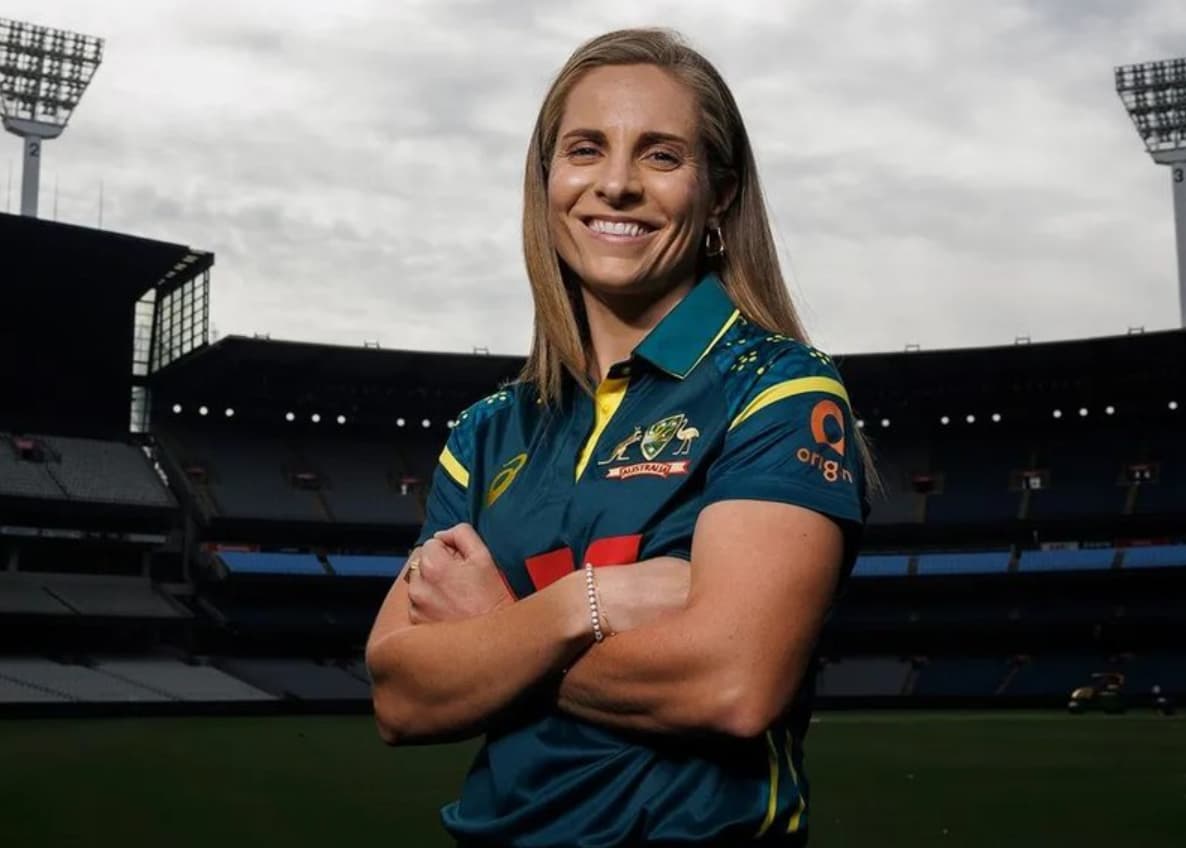
The transition between leaders has maintained consistency while allowing tactical evolution to match changing formats and opposition strategies.
Australia Women’s T20I Captains List
The Australia Women’s T20I Captains List documents leadership transitions across 21 years of international competition.
Nine captains have led the team through 199 recorded matches, establishing dominance across multiple tournament cycles.
| Player | Span | Matches | Wins | Losses | Ties/NR | Win % |
|---|---|---|---|---|---|---|
| Belinda Clark | 2005 | 1 | 1 | 0 | 0 | 100.00 |
| Karen Rolton | 2006–09 | 13 | 8 | 4 | 1 | 61.53 |
| Jodie Fields | 2009–13 | 26 | 16 | 10 | 0 | 61.53 |
| Alex Blackwell | 2010–16 | 20 | 8 | 11 | 1 | 40.00 |
| Meg Lanning | 2014–23 | 100 | 76 | 18 | 6 | 76.00 |
| Rachael Haynes | 2017–20 | 6 | 3 | 3 | 0 | 50.00 |
| Alyssa Healy | 2022–24 | 25 | 19 | 5 | 1 | 76.00 |
| Tahlia McGrath | 2022–25 | 9 | 8 | 1 | 0 | 88.88 |
| Sophie Molineux | 2026– | — | — | — | — | — |
List of Australia Women’s T20I Captains (2005–2026): From Belinda Clark to Sophie Molineux
Belinda Clark (2005)
- Matches: 1
- Wins: 1
- Losses: 0
- Win Rate: 100%
Clark captained Australia’s inaugural women’s T20I in 2005, recording a perfect single-match record.
Her brief tenure represented the format’s experimental phase, establishing professional standards that would define future Australian leadership.
Clark’s pioneering role laid cultural foundations for the team’s subsequent dominance across all formats.
Karen Rolton (2006–09)
- Matches: 13
- Wins: 8
- Losses: 4
- Ties: 1
- Win Rate: 61.53%
Rolton guided Australia through the format’s formative years, maintaining tactical stability during early strategic experimentation.
Her leadership emphasized balanced team composition and adaptability to evolving T20 dynamics.
The 61.53% win rate reflected steady progress as powerplay strategies and aggressive field placements became standardized approaches.
Jodie Fields (2009–13)
- Matches: 26
- Wins: 16
- Losses: 10
- Win Rate: 61.53%
Fields’ wicketkeeper-captain role brought sharp tactical awareness during Australia’s competitive climb in global rankings.
Her energetic field presence and emphasis on team unity strengthened squad cohesion during transitional phases.
The identical win percentage to Rolton demonstrated consistent performance standards across leadership changes.
Alex Blackwell (2010–16)
- Matches: 20
- Wins: 8
- Losses: 11
- Ties: 1
- Win Rate: 40%
Blackwell’s captaincy coincided with a generational transition, blending experienced players with emerging talent.
Her 40% win rate reflected rebuilding challenges rather than leadership deficiencies, as she nurtured future stars.
Blackwell’s calm presence maintained squad stability, preparing foundations for the dominant era that followed.
Meg Lanning (2014–23)
- Matches: 100
- Wins: 76
- Losses: 18
- Ties/NR: 6
- Win Rate: 76%
Lanning’s nine-year captaincy redefined women’s T20I success, delivering 76 victories across 100 matches.
Her aggressive tactical approach, combined with prolific batting, established Australia as the format’s benchmark team.
Multiple ICC title victories under Lanning’s leadership cemented her legacy as one of cricket’s greatest captains across genders.
Rachael Haynes (2017–20)
- Matches: 6
- Wins: 3
- Losses: 3
- Win Rate: 50%
Haynes served as a reliable stand-in captain during senior leader absences, maintaining tactical continuity.
Her 50% win rate across six matches demonstrated steady leadership during transitional moments.
Haynes’ grounded approach reinforced Australia’s leadership depth, culture, and shared responsibility framework.
Alyssa Healy (2022–24)
- Matches: 25
- Wins: 19
- Losses: 5
- Ties: 1
- Win Rate: 76%
Healy’s wicketkeeper-captain tenure matched Lanning’s win percentage through fearless batting and bold tactical decisions.
Her aggressive mindset aligned with Australia’s modern T20 philosophy, sustaining dominance during leadership transitions.
Healy’s 25-match record demonstrated wicketkeeper-batters’ growing influence in tactical direction.
Tahlia McGrath (2022–25)
- Matches: 9
- Wins: 8
- Losses: 1
- Win Rate: 88.88%
McGrath achieved the highest win percentage among Australia’s T20I captains across nine matches.
Her all-round capabilities and proactive approach demonstrated readiness for extended leadership responsibilities.
The 88.88% success rate reinforced Australia’s exceptional leadership depth across multiple candidates.
Sophie Molineux (2026–Current Aussie Captain)
- Status: Active Captain
- Matches: To be determined
- Record: To be established
Molineux becomes Australia’s ninth T20I captain, bringing strategic intelligence and all-round versatility.
Her appointment represents continued leadership evolution following Australia’s established excellence pathway.
Molineux inherits a culture built on tactical innovation and sustained competitive dominance.
Conclusion:
The Australia women’s T20I captains list from Belinda Clark to Sophie Molineux chronicles 21 years of leadership evolution in women’s cricket.
Nine captains have maintained Australia’s competitive standards through format experimentation, generational transitions, and professional transformation.
Win percentages ranging from 40% to 88.88% reflect different era challenges and squad compositions across two decades.
Leadership depth remains Australia’s defining characteristic, with multiple captains ready to sustain tactical excellence.
Key leadership phases:
- 2005 – Format Beginning: Clark’s pioneering single match established professional standards for the emerging T20 format.
- 2014–2023 – Golden Era: Lanning’s 100-match captaincy delivered 76% win rate and multiple ICC titles, defining modern dominance benchmarks.
Also Check:
- India Women’s Tour of Australia 2026 Live Streaming
- India Women’s Tour Of Australia 2026 Schedule
- Australia Cricket Team Squad for ODI, T20I and Test 2026-2027
- Australia Cricket Fixtures 2026-27
- Australian Cricket Players Salary 2026-27
About the Author
