You’ve just bought a beautiful new cricket bat. The willow feels perfect, the balance is spot-on, and you’re excited to smash boundaries with it.
But after a few weeks of careless storage – leaving it in your car’s trunk under blazing sun or tossing it in a damp garage – cracks appear on the face, the handle loosens, and suddenly your prized possession looks years older than it actually is.
Sound familiar? Weather extremes—scorching heat, heavy rain, cold—are silent killers of cricket bats.
They warp the wood, dry out the willow, cause splits, and reduce your bat’s lifespan dramatically.
The good news? Understanding how to protect a cricket bat from Weather Extremes isn’t complicated.
With simple precautions, proper storage habits, and regular maintenance, you can keep your bat performing beautifully for years, regardless of what Mother Nature throws at it.
Protect a Cricket Bat from Weather Extremes
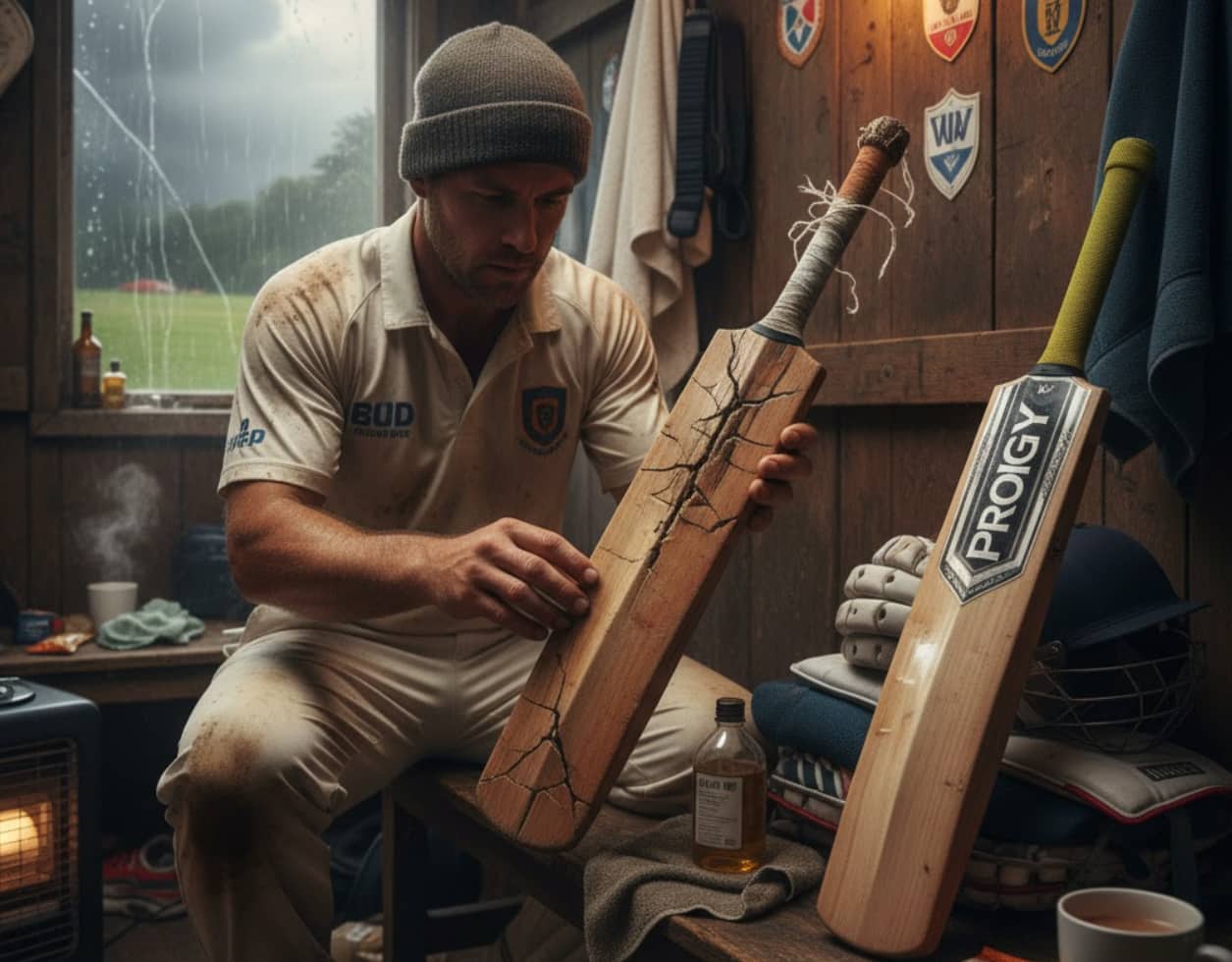
This guide walks you through everything you need to know about bat care in different weather conditions.
Whether you’re dealing with summer heat, monsoon rains, or winter cold, these practical tips will help you preserve your bat’s quality and extend its life significantly.
Let’s dive into the essentials every cricketer should know.
Also Learn: How to Become a Cricket Umpire in India
Storing and Handling Your Bat Properly
Before worrying about weather-specific care, master the basics of proper bat storage and handling. This foundation prevents most weather-related damage before it starts.
Invest in a Quality Bat Cover
Never leave your cricket bat exposed. A good bat cover acts as the first line of defense against dust, moisture, accidental knocks, and temperature fluctuations.
Look for covers made from:
- Padded fabric that cushions against impacts
- PVC material that repels moisture
- Breathable materials that prevent moisture buildup inside
A proper cover costs less than repairs or replacement, making it one of the smartest investments for any cricketer.
Choose the Right Storage Space
Where you store your bat matters as much as how you store it. The ideal storage location is:
- Cool and dry – Stable temperature without extreme fluctuations
- Low humidity – Prevents moisture absorption and warping
- Away from direct elements – Not near windows, heaters, or air conditioners
Avoid These Storage Mistakes:
- Never store bats in car trunks (extreme temperature swings)
- Skip damp basements or garages (high humidity causes swelling)
- Don’t lean bats against walls for extended periods (causes warping)
- Avoid cramped spaces where bats press against other equipment
Store your bat horizontally or hang it by the handle in a designated bat rack. This prevents uneven pressure that can warp the blade over time.
Also Check: 15 Rules of Cricket
Beware of Direct Sunlight and Extreme Heat
Heat is one of the biggest enemies of cricket bats. Excessive temperatures dry out the willow, making it brittle and prone to cracking.
What Happens to a Cricket Bat in Sunlight
When you leave a cricket bat in sunlight for extended periods, several problems develop:
- The willow loses its natural moisture content
- Wood fibers become brittle and crack easily
- The bat’s “sweet spot” becomes smaller and less responsive
- Surface splits appear on the face and edges
- The bat loses its natural “ping” when hitting the ball
Even a few hours in direct sunlight can cause damage. During hot summer months, be especially vigilant about bat placement.
How to Protect Bats from Heat:
- Store bats away from windows and direct sunlight
- Never leave bats in hot cars (temperatures inside can exceed 60°C)
- Use bat moisturizers or linseed oil regularly
- Keep bats in climate-controlled rooms during heat waves
Oiling Your Bat: Timing Matters
Regular oiling maintains the bat’s moisture content and prevents drying. Use raw linseed oil (never boiled linseed oil, which dries too quickly).
How to Oil Your Bat:
- Apply a thin, even coat of linseed oil with a soft cloth
- Focus on the face, edges, and toe—avoid the splice area
- Let the oil absorb naturally in a horizontal position
- Repeat 2-3 times for new bats (24 hours between applications)
How long to wait after oiling a cricket bat? Wait at least 24-48 hours before using the bat. This allows the oil to penetrate the wood properly without making the surface too greasy or heavy.
Over-oiling is as bad as under-oiling. Too much oil makes the bat heavy and reduces its responsiveness. Apply thin coats and let them absorb completely.
Protecting Your Bat from Moisture and Rain
Moisture is equally dangerous as heat. Water seeps into the willow’s porous structure, causing swelling, warping, and even rotting if left unchecked.
Never Use a Wet Cricket Bat
Playing with a damp bat seems harmless, but moisture absorption happens quickly, especially during rainy matches. The wood swells, loses its shape, and becomes prone to splitting.
How to Dry a Wet Cricket Bat
If your bat gets wet during a match, follow these steps immediately:
- Wipe Down Thoroughly – Use a dry towel to remove surface moisture from the face, edges, and handle
- Air Dry Naturally – Stand the bat upright in a well-ventilated room (not in direct sunlight or near heaters)
- Avoid Artificial Heat – Never use hairdryers, heaters, or direct heat sources (causes rapid drying and cracking)
- Check After 24-48 Hours – Ensure the bat feels completely dry before storing or using it
How to dry a wet cricket bat properly takes patience. Rushing the process with artificial heat causes more damage than the initial moisture exposure.
Rain Protection Strategies:
- Always carry a waterproof bat cover during matches
- Use moisture-resistant covers during the monsoon season
- Never store bats in areas prone to dampness or flooding
- Check bats regularly for moisture damage (soft spots, discoloration, swelling)
If you play frequently in rainy conditions, consider keeping a backup bat so you’re never forced to use a damp one.
Cleaning and Maintaining Your Bat at Home
Regular cleaning keeps your bat performing well and helps you spot potential damage early. Here’s how to clean your bat properly using different methods.
How to Clean Cricket Bat at Home (Basic Method)
For regular maintenance without heavy damage:
- Use a soft, slightly damp cloth to wipe dust and dirt from the face
- Clean the grip tape with mild soap and water
- Check for small scratches or surface damage
- Apply a very thin layer of linseed oil if the bat looks dry
How to clean bat at home shouldn’t involve harsh chemicals or excessive water. Gentle cleaning with natural materials works best for willow.
How to Clean a Cricket Bat Without Sandpaper?
If your bat has minor scuff marks but doesn’t need aggressive treatment:
- Use a clean eraser to gently rub away surface marks
- Apply a thin coat of linseed oil to restore the surface
- Buff lightly with a soft cloth
- Avoid pressing too hard (you’re cleaning, not sanding)
How to clean cricket bat without sandpaper is ideal for regular maintenance between seasons. It preserves the bat’s protective coating while removing surface dirt.
How to Clean a Cricket Bat With Sandpaper?
For bats with deeper scratches, rough surfaces, or significant wear:
- Use fine-grit sandpaper (180-220 grit)—never coarse varieties
- Sand gently along the grain direction only
- Remove minimal wood—just enough to smooth the surface
- Wipe away dust with a dry cloth
- Apply 2-3 thin coats of linseed oil (24 hours apart)
How to clean a cricket bat with sandpaper requires careful technique. Sand too aggressively and you’ll remove too much wood, reducing the bat’s lifespan and performance.
Important: Only sand the face and edges, never the splice area (where blade meets handle). Excessive sanding weakens this critical junction.
Cold Weather Bat Care Tips
Extreme cold makes willow brittle and prone to cracking. Winter cricket requires special attention to bat care.
How Cold Affects Cricket Bats:
- Willow becomes stiff and loses flexibility
- Impact resistance decreases (higher chance of cracks)
- The bat’s natural responsiveness diminishes
- Sudden temperature changes cause rapid expansion/contraction (leading to splits)
Protecting Bats in Cold Weather:
- Store bats at a stable room temperature (avoid garages or unheated spaces)
- Never bring cold bats directly into heated rooms (allow gradual temperature adjustment)
- Warm the bats slowly to room temperature before use
- Apply linseed oil more frequently during winter (cold air is often dry)
If you’re playing in cold conditions, keep your bat at a moderate temperature before the match. Bringing a freezing bat straight onto the field and hitting hard leather balls is asking for trouble.
Final Tips for Long-Lasting Bat Performance
Beyond weather protection, these habits extend your bat’s life:
Regular Maintenance Checklist:
- Inspect your bat weekly for cracks, soft spots, or damage
- Oil the bat 2-3 times per season (more in dry climates)
- Use anti-scuff tape or bat face protectors for extra protection
- Knock-in new bats properly before the match use
- Rotate between bats if you own multiple (reduces wear on any single bat)
Storage Between Seasons:
When storing bats long-term (off-season), follow these steps:
- Clean the bat thoroughly
- Apply a thin coat of linseed oil
- Wrap in a breathable cloth (not plastic—allows air circulation)
- Store horizontally in a cool, dry location
- Check monthly for any moisture or temperature issues
Conclusion: Simple Care Equals Years of Performance
Understanding how to protect your cricket bat from weather extremes isn’t rocket science – it’s about developing good habits and respecting the natural material your bat is made from.
Willow is organic, responsive, and surprisingly durable when treated properly, but neglect and harsh conditions will destroy even the finest bats quickly.
Store your bat properly in padded covers away from temperature extremes. Protect it from direct sunlight, excessive moisture, and cold. Clean and oil it regularly using gentle methods.
Follow these principles, and your cricket bat will reward you with years of reliable performance, that satisfying “crack” of leather on willow, and countless runs added to your personal tally.
And if weather conditions in your area are consistently extreme? Consider playing at indoor cricket facilities where climate control protects both you and your equipment. Your bat—and your game – will thank you for it.
Take care of your bat, and it’ll take care of your game. That’s the deal every serious cricketer makes with their most trusted companion on the field.
About the Author
