In modern cricket, not every contest is part of a multi-match series. Some fixtures stand alone as single deciding encounters.
These are called one-off tournaments in cricket, where a solitary match or final determines the outcome without any follow-up games.
Such matches appear across all formats. Teams meet once, play once, and move on. The concept applies to Tests, ODIs, and T20Is equally.
ICC and various boards schedule these fixtures for specific reasons ranging from tight calendars to historic milestones.
The one-off tournaments format carries unique pressure. There is no second chance, no comeback opportunity, and no series buffer.
Players and captains approach them differently than in regular bilateral series. The stakes feel higher because everything depends on a single performance.
Understanding this format helps fans track international schedules better.
It also explains why certain matches receive more attention despite being isolated from longer tours.
This structure has become a permanent fixture in cricket’s global calendar.
One-Off Tournaments & Matches in Cricket 2026
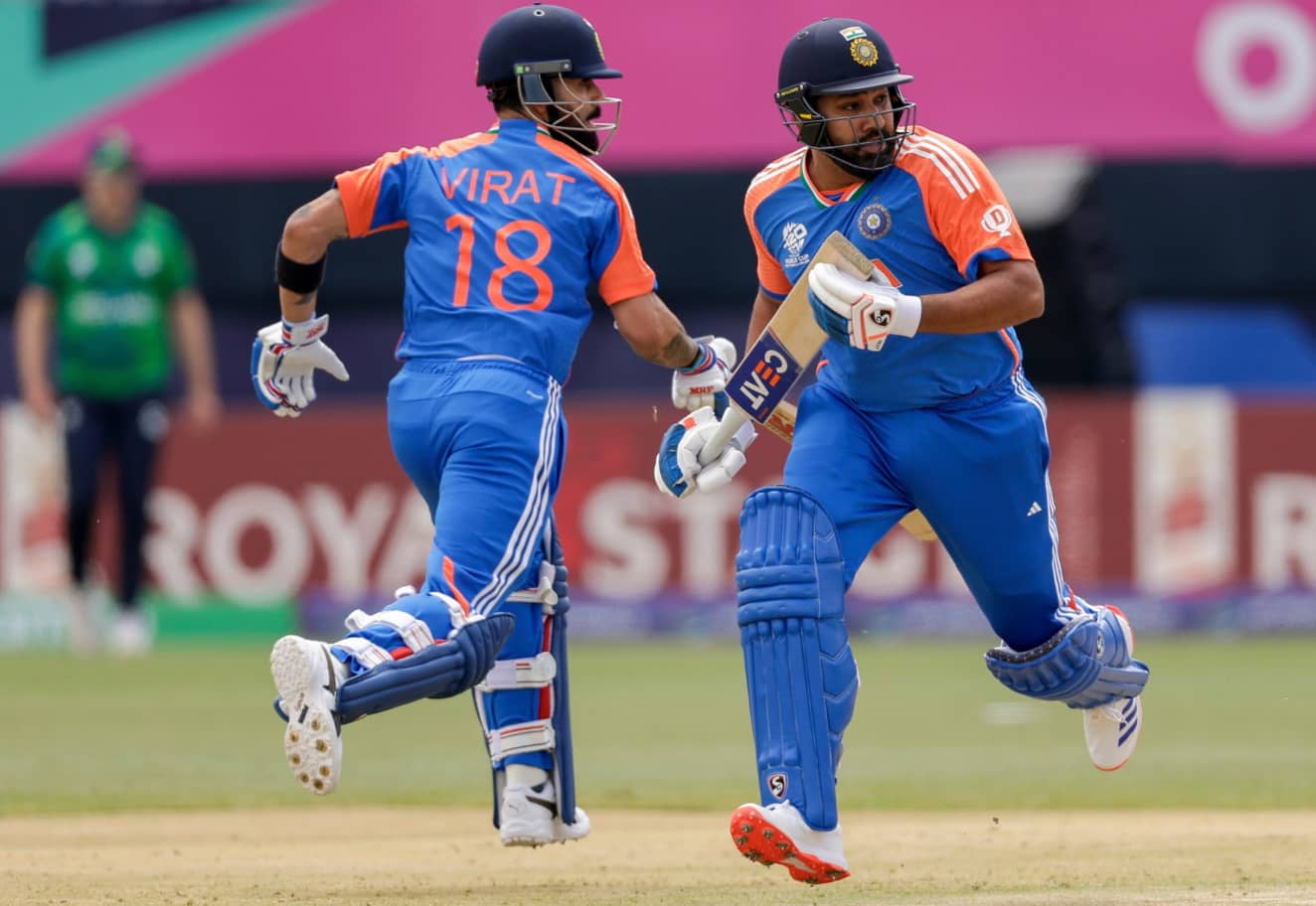
What Does “One-Off Tournaments” or “One-Off Matches” Mean in Cricket?
Both terms describe cricket contests that occur as stand-alone events rather than as part of a series structure.
One-Off Match
A one-off match refers to a single international or domestic fixture played between two teams. Unlike a series where teams compete across multiple games, this match stands alone. The result is final with no subsequent encounters scheduled. This format applies to Tests, ODIs, and T20Is when boards arrange a single fixture during a short tour or special occasion.
One-Off Tournament
A one-off tournament describes a competition decided through a single match or final. The term also covers events where the entire tournament structure leads to one decisive game. World Cup finals and Champions Trophy deciders fit this category. The winner emerges from that single contest without any playoff or rematch opportunity.
Difference Between One-Off Matches and Series
| Basis | One-Off Match | Series Match |
|---|---|---|
| Chances | Single game decides outcome | Multiple games provide recovery opportunities |
| Pressure | Extremely high, no margin for error | Distributed across matches, losses can be recovered |
| Scheduling | Fits tight calendars, short tours | Requires extended tour commitment |
| Fan Interest | High due to do-or-die nature | Builds gradually across matches |
| Rankings Impact | Full points from single result | Points averaged across multiple results |
Origin of the “One-Off Tournaments” Term in Cricket
The term emerged as cricket expanded beyond traditional Test nations into a genuinely global sport.
Scheduling Expansion
As more countries gained international status, boards struggled to accommodate everyone in lengthy series. The packed calendar made multi-match tours impractical for many fixtures. Single-match arrangements offered a solution that satisfied both competitive requirements and logistical constraints without compromising the one-off tournaments schedule integrity.
New Teams Entry
When Afghanistan and Ireland entered Test cricket, their debut matches were scheduled as one off tournaments cricket fixtures. Afghanistan played India in Bengaluru (2018) as their first Test. Ireland faced Pakistan (2018) in Dublin. These single matches gave new nations international exposure without requiring full series commitments from established teams.
Why Are One-Off Matches Organized in Cricket?
Boards schedule stand-alone fixtures for several practical and ceremonial reasons. These matches serve purposes beyond regular bilateral series structures across different cricket markets.
- Tight International Calendars
Modern cricket schedules are congested with overlapping formats and leagues. Teams often cannot commit to full series during short gaps between major tournaments. A single match allows boards to maintain bilateral relationships and fulfill fixture obligations without extensive tour planning or scheduling conflicts.
- Commemorative or Milestone Events
Special occasions require unique fixtures. Stadium inaugurations, national anniversaries, or cricket board celebrations often feature one-off matches. Bangladesh scheduled their 100th Test as a single fixture against India (2015). Such matches mark historic moments without disrupting regular series schedules or tournament windows.
- Financial and Logistical Limits
Smaller cricket boards lack resources for extended tours. Hosting or touring for one match costs significantly less than organizing a three or five-match series. This economic reality makes one-off tournaments in India and other developing cricket nations viable for financial sustainability.
- Debut Exposure for New Teams
ICC grants Test status through carefully planned introductions. New teams receive initial exposure through single matches against established nations. This approach tests their readiness without overwhelming them with immediate series commitments or extensive fixture requirements.
- Charity and Tribute Matches
Farewell matches for retiring legends or relief fund games operate as one-off fixtures. The World XI concept has produced several such matches. These games serve emotional or humanitarian purposes rather than competitive ranking objectives or bilateral agreements.
One-Off Test Matches in Cricket
A one-off Test is a single Test match between two nations with full ICC status. Unlike series Tests, no follow-up matches occur.
These fixtures count toward official rankings, player statistics, and team records identically to series matches.
The format emerged primarily for scheduling convenience and special circumstances.
New Test nations often receive their debuts through such arrangements.
Boards also use them for commemorative purposes or when tour windows allow only one Test fixture.
Famous One-Off Tests
- Afghanistan vs India (2018)
Afghanistan’s historic Test debut came at Bengaluru’s M. Chinnaswamy Stadium. India won inside two days, but the match granted Afghanistan official Test status. Rashid Khan and Mohammad Nabi became the first players from their nation to appear in Test cricket.
- India vs Bangladesh (2015)
Bangladesh hosted India at Fatullah for their 100th Test match. Rain disrupted most of the game, resulting in a draw. The fixture held immense significance for Bangladesh cricket despite limited play. It marked a milestone in their journey as a Test-playing nation.
- Afghanistan vs New Zealand (2024 – Abandoned)
Scheduled as Afghanistan’s first Test against New Zealand at Greater Noida. Persistent rain and wet outfield conditions prevented any play across five days. The match was officially abandoned without a single ball bowled, though it reflected Afghanistan’s expanding Test calendar.
Impact on Players and Rankings
Single-Test fixtures create distinct pressures and opportunities for cricketers and teams.
- Career-Defining Performances
A century or a five-wicket haul in a one-off Test can establish a player’s reputation instantly. There is no series to average out a poor performance. Every contribution holds magnified significance because the match stands alone in memory and record books.
- No Margin for Error
Teams cannot afford experimental selections or cautious tactics. Captains must balance aggression with safety from the first session. One batting collapse or bowling partnership can decide the entire contest without any chance to recover in subsequent matches.
- Ranking Weightage
ICC rankings treat one-off Tests identically to series matches. Teams gain or lose rating points based on the single result. This makes preparation crucial as the outcome directly impacts one-off tournaments standings without being averaged across multiple games.
- Captaincy Pressure
Skippers face intense scrutiny in stand-alone fixtures. Their tactical decisions carry extra weight because there is no opportunity to adjust strategy in a second or third Test. Declaration timing, bowling changes, and field placements receive heightened analysis.
One-Off ODIs and T20Is
Limited-overs cricket regularly features stand-alone matches. These fixtures occur more frequently than one-off Tests due to shorter duration and greater scheduling flexibility.
One-Off ODIs
- World XI vs Australia (2005)
The ICC Super Series included a one-off ODI at Melbourne between Australia and a World XI featuring stars from multiple nations. Australia won comfortably, but the concept showcased cricket’s global talent pool in a unique format.
- World Cup Finals as One-Off Deciders
Major tournament finals operate as de facto one-off tournaments. The 2019 World Cup final between England and New Zealand exemplifies this. After tied scores in both the match and Super Over, England won on boundary countback. Such matches demonstrate the one off tournaments ODI concept at its most dramatic.
One-Off T20Is
- Australia vs South Africa (2006)
One of the earliest T20 internationals occurred as a single match in Johannesburg. The format was still experimental, and this fixture helped establish T20I cricket’s viability. Australia won by 50 runs in what became a historic marker for the shortest format.
- Commemorative T20 Internationals
Boards frequently schedule single T20Is for special occasions. Charity matches, stadium inaugurations, and player tributes often use the T20 format. These games maintain official status while serving ceremonial purposes.
Top 6 Most Famous One-Off Matches in Cricket History
Certain stand-alone fixtures have achieved legendary status in cricket history. These matches transcended their one-off nature to become defining moments that fans and analysts still reference regularly.
- 1. England vs New Zealand – 2019 World Cup Final
Played at Lord’s, this match is widely considered the greatest ODI ever. Scores tied after 50 overs. The Super Over also tied. England won on boundary countback in a rule that sparked global debate. The match showcased the intensity of one-off tournaments in Asia and worldwide.
- 2. Afghanistan vs India – 2018 Test
Afghanistan’s maiden Test appearance marked their entry into cricket’s longest format. Despite losing inside two days, the fixture represented a historic achievement for Afghan cricket. Rashid Khan and Mohammad Shahzad became household names during this debut match.
- 3. India vs Bangladesh – 2015 Test
Bangladesh celebrated its 100th Test by hosting India at Fatullah. Rain washed out significant portions of play, but the milestone mattered more than the result. The match symbolized Bangladesh’s growth from Associate to full-member status.
- 4. World XI vs Australia – 2005 ODI
Part of the ICC Super Series, this exhibition ODI brought together cricket’s biggest stars against Australia. The concept showcased international unity through cricket. Australia dominated, but fans appreciated seeing top players from different nations unite temporarily.
- 5. Australia vs South Africa – 2006 T20I
This Johannesburg match came early in T20I history when the format was still finding its identity. Australia won convincingly, proving the format’s entertainment value. The fixture helped legitimize T20 cricket as an international format worth pursuing.
- 6. Afghanistan vs New Zealand – 2024 Test
Scheduled at Greater Noida, this match never saw a single ball bowled due to relentless rain. Despite the abandonment, it highlighted Afghanistan’s commitment to Test cricket and their desire to play against all major nations.
Player & Team Perspectives on One-Off Matches
Stand-alone fixtures create unique psychological and tactical challenges for cricketers and coaching staff.
- Mental Pressure on Players
Players face enormous stress knowing one poor performance cannot be redeemed. Batsmen who fail cannot rely on a second innings in the next match. Bowlers get no opportunity to adjust tactics across multiple games. This pressure affects selection choices and on-field decision-making significantly.
- High-Risk Tactical Decisions
Captains must weigh aggression against caution more carefully. There is no series context to inform strategies. Bold declarations or attacking fields carry higher stakes. Team management cannot experiment with lineups without risking the entire tour outcome.
- Preparation Challenges
The coaching staff struggles to simulate match conditions for a one-off encounter. Players need peak performance immediately without a warm-up match cushion. Fitness management becomes critical as there is no rotation opportunity across multiple fixtures.
- Fan and Media Expectations
One-off matches attract disproportionate attention compared to regular series games. The media builds narratives around these contests heavily. Players feel external pressure amplified because the match becomes an event rather than part of a routine tour.
Advantages and Disadvantages of One-Off Matches in Cricket
Stand-alone fixtures bring both benefits and limitations to international cricket scheduling and competitive balance.
Advantages
- Quick Results
One match produces a clear winner without extended tour commitments. Boards resolve bilateral obligations efficiently. Fans get conclusive outcomes without waiting through multi-match series.
- Calendar Friendly
Packed schedules accommodate one-off fixtures more easily. Teams traveling for major tournaments can squeeze in single matches. Broadcasters face fewer logistical challenges arranging coverage for shorter tours.
- High Viewer Interest
The do-or-die nature attracts casual fans alongside regular followers. Ticket sales and viewership typically exceed regular series matches. Social media engagement spikes around these high-stakes encounters.
- Historic Value
Milestone matches gain permanent significance in cricket history. Debut Tests, farewell games, and commemorative fixtures create lasting memories. These matches often define careers and shape cricket narratives for years.
Disadvantages
- No Recovery Chance
Teams suffering one bad session cannot bounce back. A single poor performance defines the entire tour outcome. Players get no redemption opportunity after individual failures.
- Unbalanced Outcomes
The stronger team may lose due to one poor day. Pitch conditions, weather, or toss luck carry disproportionate impact. Results may not reflect actual team quality or competitive balance.
- Limited Exposure for New Teams
Developing nations need multiple matches to gain experience. One fixture provides insufficient data for meaningful assessment. Players from smaller boards miss chances to develop against quality opposition.
FAQs
- Q1. What is the meaning of a one-off Test in cricket?
A one-off Test is a single Test match between two nations that stands alone without any follow-up fixtures. It carries full ICC status and counts toward rankings and player records.
- Q2. Are one-off matches official?
Yes. ICC-approved one-off matches across all formats hold official international status. They impact team rankings, player statistics, and career records identically to series matches.
- Q3. Why does ICC or BCCI schedule one-off Tests?
Reasons include congested international calendars, commemorating milestones, providing debut opportunities for new Test nations, and accommodating short tour windows. Financial and logistical constraints also influence scheduling decisions.
- Q4. Do one-off matches affect rankings?
Yes. ICC treats these matches identically to series fixtures for ranking calculations. Teams gain or lose rating points based on results. Player performances contribute to individual rankings normally.
- Q5. Which was the most famous one-off match in cricket?
The 2019 World Cup final between England and New Zealand at Lord’s is widely considered the greatest. The match tied, the Super Over tied, and England won on boundary countback.
- Q6. Can one-off ODIs and T20Is be charity games?
Yes. Many one-off ODIs and T20Is serve charitable purposes, including relief funds and tributes. These matches often combine entertainment with humanitarian objectives while maintaining official status.
- Q7. Do players like one-off matches?
Players appreciate the challenge but acknowledge the immense pressure. The lack of a series buffer creates stress, though many cricketers value the opportunity to define careers through singular performances.
- Q8. How do captains approach strategy in one-off games?
Captains typically adopt aggressive tactics, knowing there is no second chance. They balance risk-taking with caution. Declaration timing, field placements, and bowling changes receive extra scrutiny.
- Q9. Are one-off matches common in modern cricket?
They occur regularly but represent a minority of international fixtures. New Test nations receive their debut matches this way. Boards also use them for commemorations and when schedules permit, only single matches.
- Q10. Can grassroots cricket also have one-off tournaments?
Yes. Local leagues frequently use one-off finals to decide championships quickly. The format suits limited-time competitions and provides decisive outcomes without requiring extended tournament structures.
Conclusion: One-Off Tournaments & Matches in Cricket 2026
The one-off tournaments in cricket format continue serving specific needs in international scheduling.
These fixtures provide solutions when full series prove impractical.
ICC maintains this structure for debuts, commemorations, and calendar management.
Stand-alone matches will likely increase as schedules become more congested.
New teams require exposure without demanding lengthy commitments from established nations.
The format balances competitive cricket with logistical reality.
The one-off tournament stats show these matches maintain viewer interest despite their rarity.
Players understand the format’s demands and prepare accordingly.
Boards recognize the value in preserving this fixture type for special circumstances.
Key schedule considerations:
- Single fixtures accommodate tight calendars efficiently
- New teams gain Test exposure through one-off arrangements
- Commemorative matches preserve cricket’s historic moments
- Charity fixtures combine competition with humanitarian goals
- Major tournament finals operate as de facto one-off deciders
More Cricket Guides:
- 15 Rules of Cricket
- Best Bowlers in Cricket History
- Richest Cricket Boards in the World
- How Many Wickets Constitute A Double Hat-Trick?
- IPL 2026 Trade Players Lis
- Players With Most Hundreds In IPL Histo
- Virat Kohli Total Runs in All Formats
- Slowest 50 in IPL History
About the Author
