The most dangerous batsmen of ipl history 2026 cannot be determined through aggregate runs alone.
Danger in T20 cricket operates across multiple dimensions—strike-rate bursts, phase-specific domination, and bowling strategy disruption.
IPL rewards batters who force captains into defensive field placements before deliveries are bowled.
High strike-rate bursts in powerplay overs create scoreboard pressure that compounds through innings.
Match-phase specialists who dominate specific overs (1-6, 7-15, 16-20) generate more tactical value than consistent accumulators.
Psychological pressure extends beyond boundaries scored.
Certain batters alter bowling plans through reputation alone, forcing slower balls, wide yorkers, and negative lines.
This pre-delivery advantage doesn’t appear in statistics but shapes match outcomes.
Most Dangerous Batsmen Of IPL History
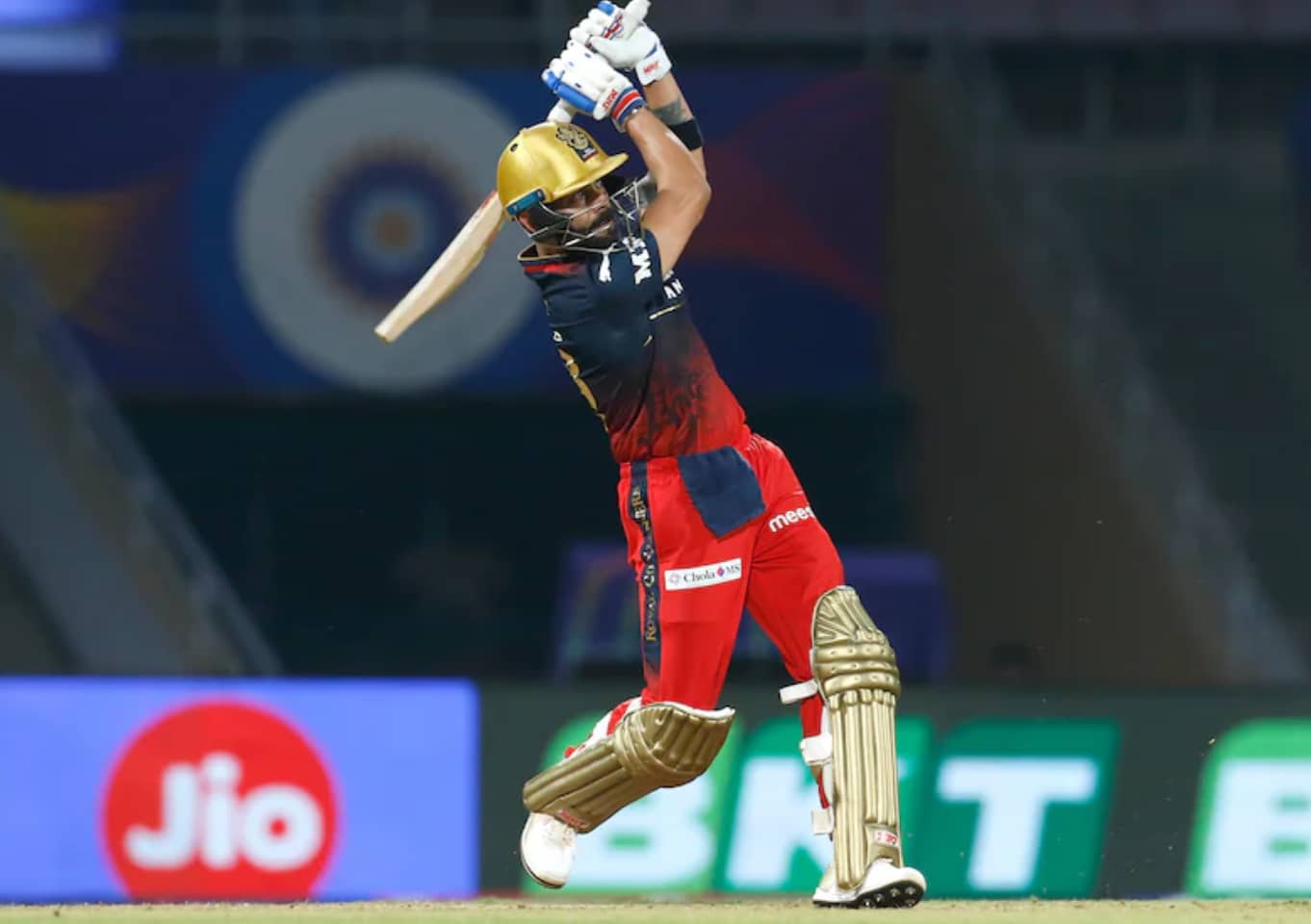
Evaluating danger requires comparing how batters exploit specific bowling types and game situations, not career totals.
Top 10 Dangerous Batsmen Of IPL
| Rank | Player | Matches | Runs | Strike Rate | Impact Phase |
|---|---|---|---|---|---|
| 1 | Virat Kohli | 267 | 8661 | 132.85 | Middle Overs |
| 2 | AB de Villiers | 184 | 5162 | 151.68 | Death Overs |
| 3 | Jos Buttler | 121 | 4120 | 149.38 | Powerplay |
| 4 | Chris Gayle | 142 | 4965 | 148.96 | Powerplay |
| 5 | Travis Head | 38 | 1146 | 170.02 | Powerplay |
| 6 | Abhishek Sharma | 77 | 1816 | 163.01 | Powerplay |
| 7 | Shreyas Iyer | 133 | 3731 | 133.34 | Middle Overs |
| 8 | Mitchell Marsh | 55 | 1292 | 142.92 | Powerplay |
| 9 | Rohit Sharma | 272 | 7046 | 132.09 | Powerplay |
| 10 | Nicholas Pooran | 90 | 2293 | 168.97 | Death Overs |
Most Dangerous Batsmen Of IPL History – Player Breakdowns
Virat Kohli
| Matches | Runs | Strike Rate | Boundary % | Highest Score | 100s/50s |
|---|---|---|---|---|---|
| 267 | 8661 | 132.85 | 53.2 | 113* | 8/63 |
- Primary Danger Zone
Kohli dominates overs 7-15 where spinners operate and field restrictions lift. His strike rate climbs to 140+ in this phase while maintaining low dismissal rates. Captains cannot attack with fielders up, forcing defensive mid-wicket and cover placements.
- Bowling Type Exploited
Spin bowling suffers most against Kohli’s wrist work and precise placement. Leg-spinners get targeted through gaps between mid-wicket and long-on. Off-spinners face pressure from drives through covers and straight boundaries when they bowl fuller lengths.
- Game-State Influence
Chases activate Kohli’s calculation-based acceleration. He anchors partnerships during collapses, then shifts gears in final five overs. His presence at crease forces opposition to hold back premier bowlers for death overs, disrupting bowling rotation plans.
- 2026 Competitive Edge
Three consecutive 600+ run seasons demonstrate sustained middle-overs dominance entering auction cycles. His versatility across batting positions (1-4) provides team composition flexibility that specialists cannot offer.
AB de Villiers
| Matches | Runs | Strike Rate | Boundary % | Highest Score | 100s/50s |
|---|---|---|---|---|---|
| 184 | 5162 | 151.68 | 61.4 | 133* | 3/40 |
- Primary Danger Zone
De Villiers operated most destructively in overs 16-20, where his 151.68 strike rate climbed above 180. Death-over specialists faced 360-degree shot range that eliminated safe bowling zones. His presence forced defensive yorker strategies from over 18 onwards.
- Bowling Type Exploited
Pace bowling at any length became vulnerable to his reverse sweeps, ramps, and scoops. The IPL dangerous batsman 360 degree framework originated from his ability to score behind the wicket-keeper through unorthodox shots. Yorkers got converted to boundaries through precise bat angles.
- Game-State Influence
De Villiers accelerated regardless of match situation, maintaining strike rates above 150 in both chases and defending scenarios. His finishing role eliminated traditional batting approaches—he attacked from ball one rather than building innings. This forced captains to use premier bowlers earlier than planned.
- 2026 Competitive Edge
Though retired since 2021, de Villiers established death-over batting templates that current finishers attempt to replicate. His shot innovation influenced coaching strategies for training younger batters in unconventional techniques.
Jos Buttler
| Matches | Runs | Strike Rate | Boundary % | Highest Score | 100s/50s |
|---|---|---|---|---|---|
| 121 | 4120 | 149.38 | 58.7 | 124 | 7/24 |
- Primary Danger Zone
Buttler’s powerplay strike rate exceeds 160, forcing opposition captains to sacrifice attacking fields within three overs. His opening role creates scoreboard pressure that compounds through innings. Four powerplay overs above 15 runs per over became standard in his peak seasons.
- Bowling Type Exploited
Powerplay spinners face elimination from bowling plans due to Buttler’s inside-out drives and lofted shots. New-ball seamers get targeted through scoop shots and ramp strokes behind the wicket-keeper. His switch-hit execution removes the left-hand/right-hand bowling advantage entirely.
- Game-State Influence
First-innings batting allows Buttler to set aggressive totals without scoreboard pressure considerations. His opening partnerships regularly exceed 100 runs, putting opposition under defensive mindset from over 10 onwards. Chasing activates calculated risks rather than blind aggression.
- 2026 Competitive Edge
Gujarat Titans’ 2025 acquisition prioritized his powerplay destruction capability. His 163.03 strike rate in debut GT season demonstrated immediate tactical impact. Wicketkeeping adds squad flexibility without compromising batting position.
Chris Gayle
| Matches | Runs | Strike Rate | Boundary % | Highest Score | 100s/50s |
|---|---|---|---|---|---|
| 142 | 4965 | 148.96 | 64.1 | 175* | 6/31 |
- Primary Danger Zone
Gayle dominated overs 1-6 and 16-20 equally, maintaining strike rates above 160 in both phases. Powerplay destruction came through straight hitting and pulls. Death-over carnage utilized long reach to clear boundaries from yorker-length deliveries. His 357 total sixes remain unmatched.
- Bowling Type Exploited
Fast bowlers faced six-hitting threat on good-length deliveries due to his power and timing combination. Short-pitched bowling got pulled over mid-wicket boundaries consistently. Spinners struggled with his reach advantage, which converted good-length balls into full tosses through footwork.
- Game-State Influence
Gayle’s strike rate remained consistent regardless of match situation—he attacked from ball one in all contexts. This approach eliminated traditional batting build-up phases, forcing captains into immediate bowling changes. Opposition strategies centered on containing rather than dismissing him.
- 2026 Competitive Edge
Retired since 2021, but Gayle’s powerplay destruction template influences current opener selection criteria. Franchises prioritize batters who can replicate his boundary percentage (64.1%) in first six overs, fundamentally altering auction valuations.
Travis Head
| Matches | Runs | Strike Rate | Boundary % | Highest Score | 100s/50s |
|---|---|---|---|---|---|
| 38 | 1146 | 170.02 | 62.8 | 102 | 1/8 |
- Primary Danger Zone
Head operates most destructively in overs 1-10, where his 191.55 strike rate (2024 season) forced opposition into defensive bowling from over three. Powerplay aggression transitions seamlessly into middle-overs acceleration. His ability to maintain 170+ strike rate across 15-over spans eliminates traditional consolidation phases.
- Bowling Type Exploited
Spin bowling gets attacked immediately without settling time, with Head using reach to drive and pull from fuller lengths. Pace bowlers face pressure through square cuts and pulls to short-pitched deliveries. His footwork allows late shot decisions, making line-and-length bowling ineffective.
- Game-State Influence
First-innings batting produces scoreboard pressure that compounds through remaining innings. Head’s sustained aggression eliminates opposition confidence in bowling changes. Chasing scenarios activate measured risk rather than reckless hitting, maintaining strike rate above 160 while assessing required rates.
- 2026 Competitive Edge
Head represents the most dangerous batsman in ipl 2026 discussion through recent form trajectory. His 2024 season produced the highest strike rate for any 550+ run campaign. Test cricket success translates into fearless shot-making without format-related technical limitations.
Abhishek Sharma
| Matches | Runs | Strike Rate | Boundary % | Highest Score | 100s/50s |
|---|---|---|---|---|---|
| 77 | 1816 | 163.01 | 60.3 | 141 | 1/9 |
- Primary Danger Zone
Abhishek dominates powerplay overs with sustained aggression exceeding 200 strike rate across consecutive seasons. His destruction peaks in overs 2-5 where field restrictions limit defensive options. Opposition captains exhaust premier bowling resources before over six to contain damage.
- Bowling Type Exploited
Left-arm pace gets targeted through cover drives and lofted shots down the ground. Spinners face boundary threat to both leg-side and off-side due to his ability to clear boundaries from multiple zones. His young age eliminates pressure-related technical limitations during high-stakes situations.
- Game-State Influence
Abhishek’s approach remains consistent across match situations—sustained aggression without adjustment for scoreboard requirements. This forces opposition into reactive bowling changes rather than strategic plans. His presence allows middle-order batters to operate without powerplay burden.
- 2026 Competitive Edge
Two consecutive 190+ strike rate seasons demonstrate consistency rather than isolated performance spikes. His India T20I selection validates IPL impact, creating dual-format value proposition. The 141 off 55 balls (third-highest IPL score) establishes psychological advantage entering auctions.
Shreyas Iyer
| Matches | Runs | Strike Rate | Boundary % | Highest Score | 100s/50s |
|---|---|---|---|---|---|
| 133 | 3731 | 133.34 | 51.9 | 97* | 0/27 |
- Primary Danger Zone
Iyer’s 2025 transformation showcased middle-overs acceleration, where his strike rate jumped to 175.07. Overs 10-15 became his most destructive phase, targeting spin bowling through aggressive footwork. This eliminated traditional accumulation expectations from number three batters.
- Bowling Type Exploited
Short-pitched bowling gets pulled and hooked through mid-wicket with consistent power. Spin bowling faces pressure from his ability to use feet and drive down the ground. His back-foot play against pace creates boundary opportunities square of the wicket, forcing defensive fields.
- Game-State Influence
Iyer operates effectively in collapse-recovery situations, maintaining strike rate above 150 while rebuilding partnerships. His captaincy experience allows tactical batting adjustments mid-innings. First-innings scenarios activate aggressive intent; chasing activates calculated risk assessment.
- 2026 Competitive Edge
Leadership-batting combination provides dual value in auction scenarios. His first 600-run season with 175.07 strike rate demonstrates tactical evolution matching modern IPL requirements. The ability to lead three franchises to finals adds strategic value beyond batting contributions.
Mitchell Marsh
| Matches | Runs | Strike Rate | Boundary % | Highest Score | 100s/50s |
|---|---|---|---|---|---|
| 55 | 1292 | 142.92 | 55.7 | 117 | 1/9 |
- Primary Danger Zone
Marsh’s 2025 breakthrough featured powerplay destruction at 163.70 strike rate sustained across 13 matches. Overs 3-8 became his peak destruction phase, where field-restriction limitations prevented defensive bowling. His opening role eliminated middle-order pressure considerations entirely.
- Bowling Type Exploited
Fast bowlers face punishment through pull shots and drives to fuller lengths. Spinners get targeted in middle overs through his reach and ability to clear boundaries consistently. His all-rounder status forces captains into bowling strategy compromises—using pace early exhausts resources for death overs.
- Game-State Influence
First-innings batting produces aggressive totals without scoreboard pressure adjustments. Marsh’s consistency across all match situations indicates technical confidence rather than situation-dependent performance. His bowling contribution allows team composition flexibility that specialist batters cannot provide.
- 2026 Competitive Edge
World Cup-winning form with Australia carried directly into IPL 2025 success. The 627-run season at 163.70 strike rate represented breakthrough performance after inconsistent prior seasons. All-rounder utility increases auction value through squad flexibility and bowling depth contributions.
Rohit Sharma
| Matches | Runs | Strike Rate | Boundary % | Highest Score | 100s/50s |
|---|---|---|---|---|---|
| 272 | 7046 | 132.09 | 52.3 | 109* | 2/47 |
- Primary Danger Zone
Rohit dominates powerplay overs through timing and placement rather than power hitting. His strike rate in overs 1-6 exceeds 140, creating platform for middle-order acceleration. Pull shots to short deliveries and drives through covers generate boundaries without excessive power requirements.
- Bowling Type Exploited
Pace bowlers face consistent boundary threat through pull shots and cover drives. Spin bowling gets targeted through his ability to use feet and create room for inside-out shots. His timing allows boundary-hitting without power, making defensive bowling ineffective across all lengths.
- Game-State Influence
Rohit’s captaincy experience influences batting decisions—he adjusts strike rate based on match requirements rather than maintaining consistent aggression. Five IPL titles demonstrate ability to deliver under pressure situations. His opening partnerships with various batters show adaptability across different batting orders.
- 2026 Competitive Edge
Despite inconsistent recent form, Rohit’s leadership value maintains IPL relevance. His five championship titles represent tactical batting expertise under pressure. The combination of experience and opening capability provides team composition flexibility that younger aggressive openers lack.
Nicholas Pooran
| Matches | Runs | Strike Rate | Boundary % | Highest Score | 100s/50s |
|---|---|---|---|---|---|
| 90 | 2293 | 168.97 | 59.4 | 87* | 0/14 |
- Primary Danger Zone
Pooran operates most destructively in overs 16-20, where his strike rate exceeds 190. Death-over specialists face boundary threat through straight hitting over long-on and long-off. His 2025 season featured the most sixes hit, indicating consistent power execution under pressure situations.
- Bowling Type Exploited
Death-over yorker specialists struggle with his ability to create room and access boundaries through unconventional zones. Spinners get attacked regardless of match phase or game situation. His left-handed stance creates natural angles against right-arm bowling, forcing defensive lines outside off-stump.
- Game-State Influence
Pooran maintains strike rate above 160 in both chasing and defending scenarios, indicating technical confidence rather than situation-dependent performance. His finishing role eliminates traditional building requirements—he attacks from ball one. This forces opposition to use premier bowlers earlier than bowling plans dictate.
- 2026 Competitive Edge
Global T20 league success across multiple tournaments demonstrates consistency beyond isolated IPL performances. His 2025 season marked the first 500+ run campaign with sustained 190+ strike rate. Wicketkeeping adds tactical value while maintaining aggressive death-over finishing capability.
Conclusion:
The most dangerous batsmen of ipl history 2026 reflects tactical evolution beyond volume accumulation.
Power-hitting specialists now compete against tempo controllers for roster positions, with franchises valuing phase-specific domination over consistent averaging.
Analytical framework:
- Power vs precision divide: Batters like Head (170.02 SR) and Pooran (168.97 SR) prioritize strike-rate bursts. Kohli (132.85 SR, 39.54 avg) represents precision through sustained middle-overs pressure. Neither approach dominates—match situations determine value.
- Multi-phase threats vs specialists: De Villiers and Gayle operated across powerplay and death overs equally. Current batters specialize in single phases, creating dependency on team composition depth rather than individual versatility.
- Strike-rate spikes vs sustained pressure: Abhishek’s 204.21 SR (2024) represents spike potential. Kohli’s three consecutive 600+ run seasons demonstrate sustained pressure. IPL 2026 auction strategies must balance both capabilities.
- Adaptability premium: The Most Dangerous Batsmen Of IPL History increasingly includes batters who adjust strike rates based on match phase requirements. Fixed-approach batters face declining value as tactical sophistication increases across franchises.
Also Check:
- Most Expensive Players in IPL History
- Highest CSK Scores In IPL History
- Highest MI Scores In IPL History
- Players With The Most Catches In IPL History
- Youngest Player In IPL History
- Most Unsuccessful IPL Team in History
- Players Who Hit Five Sixes In An Over in IPL
About the Author
