Cricket matches often pause when the ball is no longer in play, but many fans misunderstand when and why this happens.
The dead ball in cricket is a fundamental rule that stops play completely, preventing runs, wickets, or any further action from occurring.
Understanding this rule prevents confusion during crucial match moments.
Whether watching international cricket or playing weekend club matches, knowing when the ball becomes dead helps players and spectators follow the game correctly.
Dead Ball in Cricket
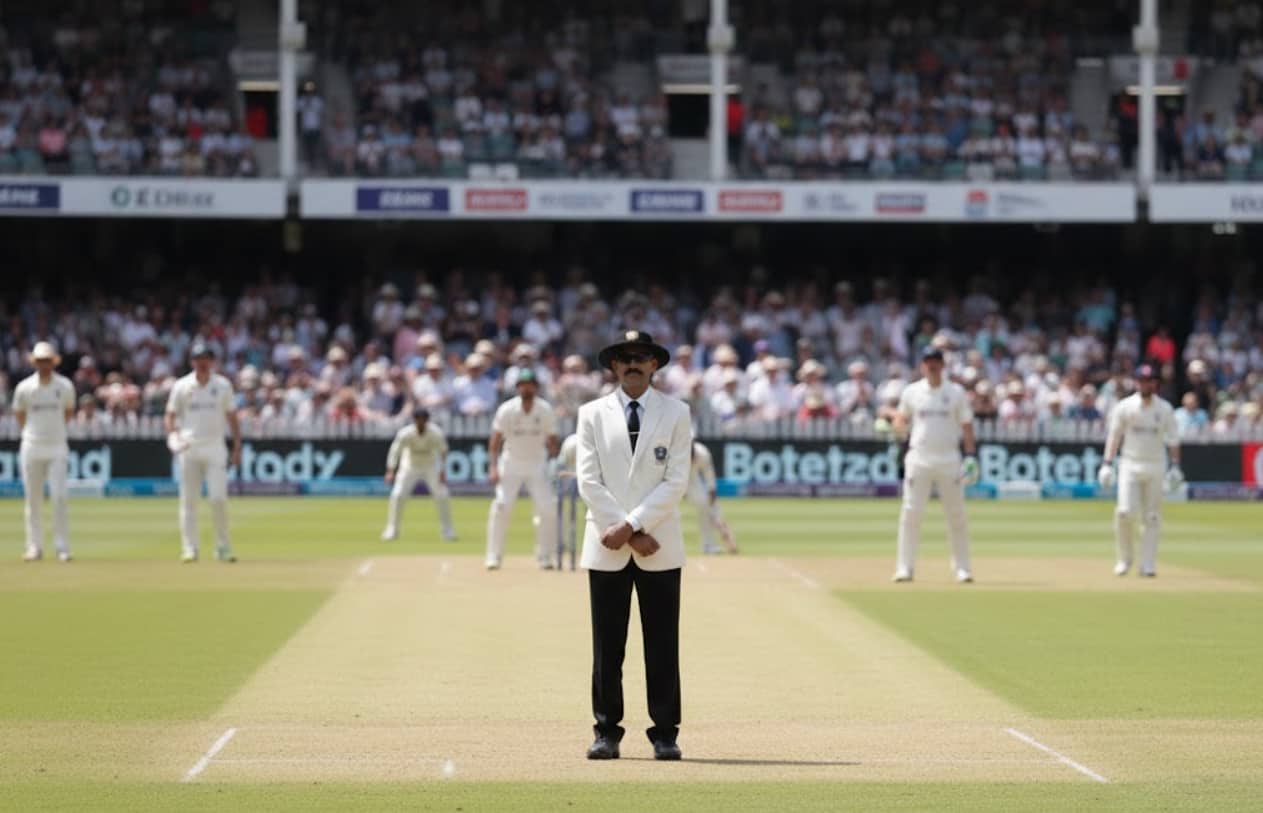
This guide explains dead ball situations clearly using simple language and practical examples from real matches.
Dead Ball in Cricket Rules List
Dead ball situations occur automatically in specific circumstances and through umpire intervention. The rule exists to create clear boundaries between active play and paused moments.
Understanding which situations count toward the over and which don’t helps players make better decisions. The table below summarizes common dead ball scenarios and their consequences.
| Situation | Ball Dead? | Counts in Over? | Runs Allowed? |
|---|---|---|---|
| Boundary | Yes | Yes | No extra runs |
| Wicket | Yes | Yes | Runs before dismissal |
| Bowler drops ball | Yes | No | No |
| Injury stoppage | Yes | No | No |
What Does Dead Ball Mean in Cricket?
In cricket, a dead ball means play has stopped, and no runs, wickets, or actions can occur until play resumes. This differs significantly from dead ball situations in other sports.
What is a dead ball in football refers to set pieces like free kicks and corners, where play restarts from a stationary position. What is a dead ball occurs in baseball when the ball goes out of play or hits a batter.
What is a dead ball in basketball happens during fouls and violations, stopping the game clock. What is a dead ball in soccer describes free kicks, throw-ins, and other restart situations.
Cricket’s dead ball is unique because every delivery naturally ends with the ball becoming dead, unlike other sports, where dead balls only occur during stoppages.
When Is a Ball Declared Dead in Cricket Automatically?
- Dead ball after a wicket: The ball becomes dead immediately when a batter is dismissed. Any runs completed before the dismissal count, but no further action can occur after the wicket falls.
- Dead ball when the ball crosses the boundary: Once the ball touches or crosses the boundary rope, it becomes dead instantly. This applies to fours, sixes, and overthrows that reach the boundary.
- Dead ball when the wicketkeeper collects the ball: When the wicketkeeper holds the ball with no run attempt and play has clearly ended, the ball is considered finally settled and becomes dead.
- Ball stuck in pads or equipment: If the ball lodges in a batter’s pads, clothing, or umpire’s equipment, it becomes dead immediately. If stuck in a fielding helmet on the ground, five penalty runs are awarded.
- Ball stuck between bat and body: When the ball is fully trapped between bat and body and cannot move, play ends immediately without fielders being able to force it loose.
- Dead ball at the end of an over or match: At the conclusion of any session, innings, or match result, the ball becomes dead instantly even if still in motion.
- When players clearly stop playing the ball: If both teams stop playing and no one attempts runs or dismissals, the umpire may treat the ball as dead under the finally settled provision.
When Do Umpires Call Dead Ball? (Law 20.4 Explained)
Umpires call dead ball in specific situations to protect fairness and player safety. These calls require umpire intervention rather than occurring automatically.
- Serious injury on the field: If any player or umpire sustains injury requiring immediate attention, the umpire calls a dead ball instantly to prevent further risk.
- Batter not ready: When a batter is not ready for valid reasons, the umpire can call dead ball, and the delivery must be re-bowled without counting.
- External interference: This covers anything outside the match, including animals entering the field, spectators touching the ball, objects thrown onto the pitch, or drone interference.
- Ball damaged or lost: If the ball becomes damaged beyond use or lost during play, the umpire calls a dead ball and replaces it. The Dead ball signal involves crossing and uncrossing arms above the head.
Different Types of Dead Ball Situations in Cricket
Dead ball situations fall into distinct categories based on why play stopped. Understanding these types helps players anticipate when the ball becomes dead.
| Type | Reason | Counts? |
|---|---|---|
| Natural end | Boundary or wicket | Yes |
| Equipment issue | Ball lodged or stuck | Usually Yes |
| Safety stoppage | Injury | No |
| Delivery fault | Bowler error | No |
| External interference | Outside disturbance | No |
The Types of dead ball in cricket help categorize situations from natural game progression to unusual interruptions requiring umpire judgment.
Dead Ball Rules in Cricket – Simple Explanation for Fans
Once the ball is called dead, no runs can be scored except penalty runs awarded by the umpire for unfair play.
This timing distinction is crucial during close run-out situations.
Appeals can be made for actions occurring before the ball became dead, but the appeal itself cannot revive play.
Batters cannot be dismissed after the dead ball call regardless of subsequent actions.
The only exception to the no-runs rule is penalty runs awarded for equipment violations or deliberate distractions.
Watching Dead ball in Cricket video tutorials helps visualize these complex timing scenarios clearly.
Dead Ball vs No Ball vs Wide vs Dot Ball – What’s the Difference?
These cricket terms are frequently confused but represent fundamentally different situations. Understanding the distinctions prevents match-watching confusion.
| Situation | Ball Live? | Runs? | Wicket Possible? |
|---|---|---|---|
| Dead ball | No | No | No |
| No ball | Yes | Yes | Yes |
| Wide | Yes | Yes | Yes |
| Dot ball | Yes | No | Yes |
Dead ball completely ends play while no balls, wides, and dot balls keep the ball live, allowing further action.
How Often Does Dead Ball Happen in a Match?
Every single delivery in cricket ends with the ball naturally becoming dead.
This happens hundreds of times per match as each ball reaches its natural conclusion.
Additional dead ball calls for injuries, interference, or equipment issues occur less frequently but can happen several times during a typical match, depending on conditions.
How Does the Ball Become Live Again in Cricket?
The ball comes back into play when the bowler starts their run-up or begins their bowling action for bowlers without run-ups.
Once a dead ball is called, it cannot be revoked, and play must restart cleanly.
Tricky Dead Ball Scenarios That Confuse Viewers
- Ball hits helmet on ground: This results in dead ball immediately with five penalty runs awarded to the batting side if the helmet belongs to the fielding team.
- Ball hits umpire: Usually the ball remains live unless it stops play unfairly or causes injury requiring intervention.
- Ball breaks mid-delivery: The umpire calls dead ball immediately and replaces the damaged ball before continuing play.
- Non-striker run-out attempt after call: Any run-out attempt after dead ball is called is invalid and the batter cannot be dismissed.
Famous Dead Ball Incidents in International Cricket
IPL matches have featured multiple controversial dead ball situations involving batter readiness disputes and distraction claims.
High-profile cases include batters stopping mid-run, assuming a dead ball, and only facing successful appeals.
The Dead ball World Series and other international tournaments have seen balls lodged in equipment, leading to penalty runs that changed match momentum significantly.
Is Dead Ball Rule the Same in International and Domestic Cricket?
The core dead ball law comes from the MCC and applies uniformly worldwide.
ICC playing conditions may add specific penalties or procedures, but the fundamental meaning remains consistent.
Local leagues sometimes apply simplified versions confusing at the club level where umpiring experience varies.
Common Dead Ball Misconceptions
- Dead ball means no penalties ever: False. Penalty runs can still be awarded by umpires for equipment violations and unfair play.
- Dead ball only after wicket: False. Dead ball occurs in numerous situations, including boundaries, settled balls, and umpire interventions.
- Umpire can cancel dead ball: False. Once called, the dead ball decision stands and cannot be revoked by anyone.
FAQs on Dead Ball in Cricket
- What is a dead ball in cricket?
A dead ball in cricket means the ball is not in play and no runs, wickets, or actions can affect the score.
- Who decides when a ball is dead?
The umpire has final authority to call and signal dead ball in situations requiring intervention.
- Can you be run out after dead ball is called?
No, dismissals cannot occur after the umpire calls dead ball regardless of subsequent actions.
- Does dead ball always count as a delivery?
It depends on when the call is made. Calls before the delivery reaches the striker typically don’t count.
- Can penalty runs be scored on dead ball?
Yes, umpires can award penalty runs for equipment violations or unfair play even on dead balls.
Conclusion:
Understanding the dead ball in cricket prevents confusion during crucial match moments when play stops.
The umpire’s decision is final, and not all dead ball situations affect the overcount identically.
Timing determines everything from whether runs count to dismissal validity.
Players and fans should remember one key habit: keep playing until the umpire signals otherwise.
- Know the timing: Understand when the ball becomes dead versus when actions occurred.
- Watch the umpire: Don’t assume play has stopped without the official signal.
- Keep playing until the call: Never stop running or fielding based on assumptions.
- Understand exceptions: Penalty runs and pre-call actions have special rules.
Also Check:
- Cricket Stumps Explained
- 15 Rules of Cricket
- IPL Rules and Regulations
- LBW in Cricket
- Batting Rules in Cricket
- What Is Powerplay in Cricket
About the Author
