IPL auctions have transformed from conservative bidding exercises into billion-rupee spectacles that redefine cricket’s economic landscape.
The evolution tells a fascinating story about cricket’s commercialization. In 2008, franchise purses stood at ₹40 crore. Teams bid cautiously, uncertain about player valuations in this new format.
MS Dhoni’s ₹9.5 crore deal shocked the cricket world then. Nobody knew if investing that much in one player made financial sense.
Fast forward to 2025. Franchise purses have tripled to ₹120 crore. Rishabh Pant commanded ₹27 crore—nearly three times Dhoni’s pioneering price.
What changed fundamentally? The economic fundamentals shifted dramatically.
Broadcasting rights exploded from ₹3,200 crore (2008-2012) to ₹48,390 crore (2023-2027). That’s fifteen times growth in just fifteen years.
Higher broadcasting revenues meant bigger franchise revenues. Teams could afford aggressive bidding strategies without financial stress.
Purse limits increased proportionally. From ₹40 crore in 2008 to ₹120 crore in 2025, franchises gained financial muscle for blockbuster signings.
Competition intensified systematically. Eight teams became ten. More franchises chasing limited elite talent created bidding wars, pushing prices beyond historical norms.
The impact player rule, introduced in 2023, changed valuations fundamentally. All-rounders and versatile players suddenly commanded premium pricing because they offered the tactical flexibility teams desperately needed.
Data analytics revolutionized player assessment. Teams now quantify impact through win probability additions, boundary percentages, death-overs economy rates—precise metrics justifying astronomical bids.
Marketing value entered calculations prominently. Star players drive jersey sales, sponsorships, viewership commercial returns, transcending pure cricket contributions. This broader economic perspective justified higher investments.
Young player premium emerged strongly. Teams prioritized decade-long franchise cornerstones over short-term gains. Long-term investment thinking drove prices for players in their early twenties, offering extended service.
Indian players commanded increasing premiums. They don’t consume overseas slots—a strategic advantage worth ₹3-5 crore alone in team construction mathematics.
The most expensive player in IPL auction history tag changed hands repeatedly, each transfer marking cricket’s economic evolution milestones.
Most Expensive Player in IPL Auction History
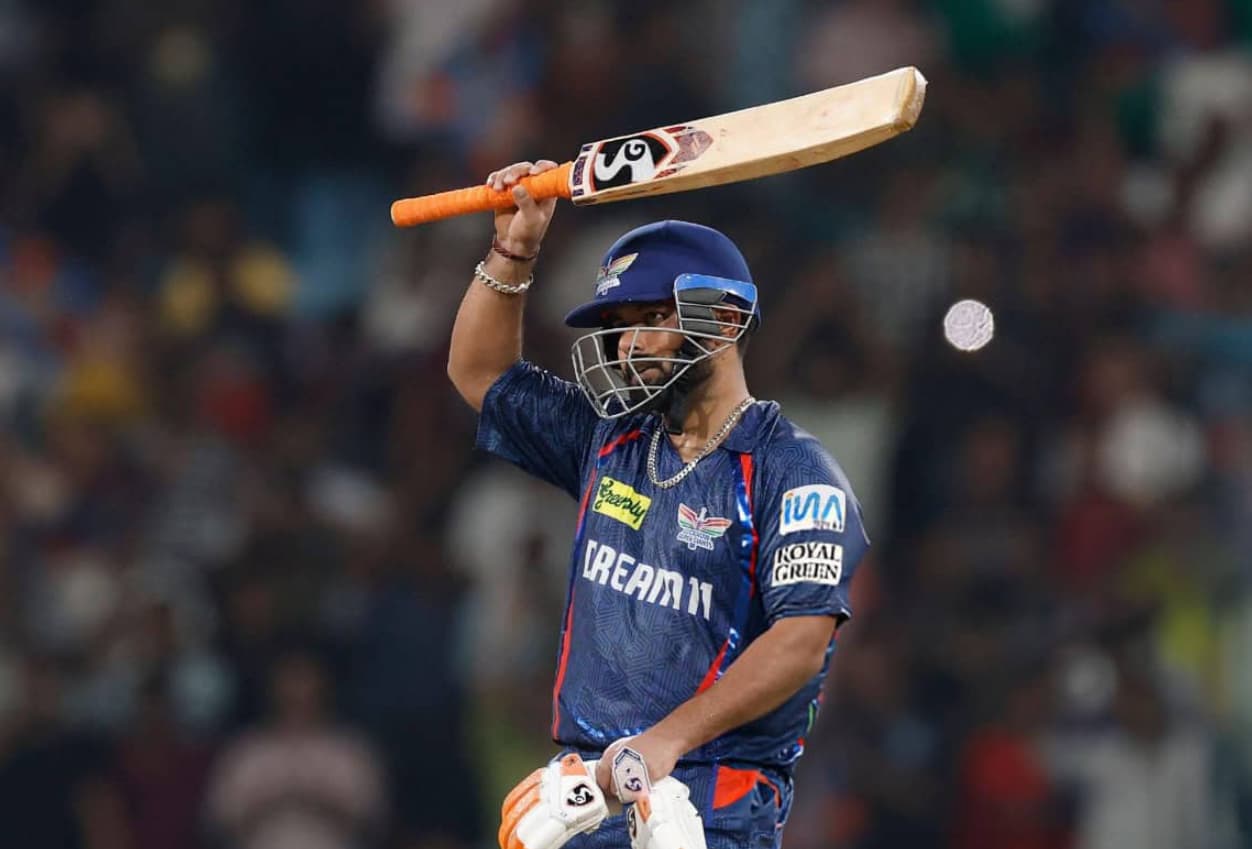
Let’s examine the complete financial journey, analyze economic drivers, and understand whether investments delivered returns matching astronomical price tags.
Year-by-Year Costliest Player Table (2008-2025)
| Year | Player | Team | Price (₹ Crore) | Role | Player Type | Auction Type |
|---|---|---|---|---|---|---|
| 2008 | MS Dhoni | CSK | 9.5 | WK-Batsman | Indian | First Auction |
| 2009 | Kevin Pietersen | RCB | 9.8 | Batsman | Overseas | Regular |
| 2010 | Kieron Pollard | MI | 4.8 | All-rounder | Overseas | Mini |
| 2011 | Gautam Gambhir | KKR | 14.9 | Batsman | Indian | Mega Auction |
| 2012 | Ravindra Jadeja | CSK | 12.8 | All-rounder | Indian | Mini |
| 2013 | Glenn Maxwell | MI | 6.3 | All-rounder | Overseas | Regular |
| 2014 | Yuvraj Singh | RCB | 14.0 | All-rounder | Indian | Mega Auction |
| 2015 | Yuvraj Singh | DD | 16.0 | All-rounder | Indian | Mini |
| 2016 | Shane Watson | RCB | 9.5 | All-rounder | Overseas | Mini |
| 2017 | Ben Stokes | RPS | 14.5 | All-rounder | Overseas | Mini |
| 2018 | Ben Stokes | RR | 12.5 | All-rounder | Overseas | Mega Auction |
| 2019 | Jaydev Unadkat | RR | 8.4 | Bowler | Indian | Mini |
| 2020 | Pat Cummins | KKR | 15.5 | Bowler | Overseas | Mini |
| 2021 | Chris Morris | RR | 16.25 | All-rounder | Overseas | Mini |
| 2022 | Ishan Kishan | MI | 15.25 | WK-Batsman | Indian | Mega Auction |
| 2023 | Sam Curran | PBKS | 18.5 | All-rounder | Overseas | Mini |
| 2024 | Mitchell Starc | KKR | 24.75 | Bowler | Overseas | Mini |
| 2025 | Rishabh Pant | LSG | 27.0 | WK-Batsman | Indian | Mega Auction |
This table reveals clear patterns. All-rounders dominate with 9 appearances. Wicketkeeper-batsmen appear 3 times. Mega auctions typically break records as teams start fresh with full purses.
Top 10 Most Expensive Player in IPL Auction History
1. Rishabh Pant
Auction Year & Final Price
2025 IPL Mega Auction: ₹27 Crore (Lucknow Super Giants)
Pant shattered all previous records, becoming the most expensive player in IPL 2025 and setting the highest bid in IPL history.
Why Franchises Paid This Price?
Elite wicketkeeper-batsman combinations are extraordinarily rare. Pant offered dual positional value that’s almost irreplaceable in squad construction.
His 3,284 IPL runs at an explosive 148.9 strike rate demonstrated proven match-winning capability over 110 matches.
Leadership credentials mattered significantly. He’d successfully captained Delhi Capitals, showing tactical acumen and team management ability.
At just 27, he offered 6-8 peak years ahead. This long-term investment thinking justified the astronomical bid.
His comeback from the horrific car accident added inspirational narrative value. Teams wanted that fighter mentality leading their squad.
Indian nationality meant no overseas slot consumption—a strategic advantage LSG valued at ₹3-4 crore minimum in their bidding calculations.
Multiple franchises desperately needed a captain-wicketkeeper combination. This scarcity drove competitive bidding beyond rational limits.
Season Impact & Stats
| Performance Metric | 2025 Season Data |
|---|---|
| Matches Played | Season Ongoing |
| Runs Scored | TBD |
| Strike Rate | TBD |
| Captaincy Record | TBD |
| Team Position | TBD |
| Overall Impact | Early signs positive |
Season ongoing, but early indicators show Pant’s aggressive captaincy energizing LSG’s campaign. His presence attracted quality players during the remainder.
2. Mitchell Starc
Auction Year & Final Price
2024 IPL Mini Auction: ₹24.75 Crore (Kolkata Knight Riders)
Starc became the most expensive player in cricket history at that moment, shattering all previous overseas records.
Why Franchises Paid This Price
World Cup 2023 timing was perfect. Starc’s 28 wickets in that tournament showcased peak form against elite batsmen.
Left-arm express pace with swing creates early breakthroughs teams desperately need. This skill set commands premium pricing consistently.
He offers complete phase capability—powerplay wickets, middle-over control, death-over yorkers. Few bowlers provide such comprehensive value.
KKR specifically lacked left-arm variety after losing key bowlers. Starc addressed this critical strategic weakness directly.
His championship pedigree with multiple ICC trophy contributions justified premium investment for trophy-chasing franchise.
Season Impact & Stats
| Performance Metric | 2024 Season Data |
|---|---|
| Matches Played | 14 |
| Wickets Taken | 17 |
| Economy Rate | 8.34 |
| Strike Rate | 14.5 balls/wicket |
| Best Figures | 3/20 |
| Championship | Won IPL 2024 |
Exceptional return on investment. Starc’s championship-winning performance completely validated KKR’s massive financial commitment.
3. Sam Curran
Auction Year & Final Price
2023 IPL Mini Auction: ₹18.5 Crore (Punjab Kings)
Curran became the first player crossing the ₹18 crore barrier, setting new benchmarks for all-rounder valuations.
Why Franchises Paid This Price
T20 World Cup 2022 Player of Tournament award drove his market value sky-high. Timing matters enormously in auction economics.
Death bowling mastery addresses cricket’s scarcest skill. Teams pay premium for bowlers controlling final overs effectively.
Batting flexibility (positions 3-8) provided tactical versatility Punjab desperately needed for squad balance optimization.
Left-arm angle creates match-up advantages against right-handed dominant batting lineups—a strategic asset worth crores.
At 24, he offered long-term franchise building potential. Youth premium added ₹2-3 crore to his valuation easily.
Season Impact & Stats
| Performance Metric | 2023 Season Data |
|---|---|
| Matches Played | 14 |
| Runs Scored | 243 |
| Wickets Taken | 15 |
| Economy Rate | 9.52 |
| Batting Average | 24.3 |
| Team Position | 7th |
Moderate returns without matching massive expectations. Punjab’s mid-table finish raised serious questions about the investment’s wisdom.
4. Chris Morris
Auction Year & Final Price
2021 IPL Mini Auction: ₹16.25 Crore (Rajasthan Royals)
Morris held the highest bid in IPL history record for two years before being surpassed by Sam Curran.
Why Franchises Paid This Price
Genuine all-rounder scarcity drove bidding beyond rational valuation. True dual-skill players are extraordinarily rare globally.
Death bowling expertise combined with lower-order hitting provided comprehensive value proposition attractive to multiple franchises.
RR specifically needed death-overs specialists after missing playoffs. Morris addressed this critical weakness directly in their planning.
Previous IPL performances demonstrated match-winning capability that justified premium pricing despite injury concerns.
Season Impact & Stats
| Performance Metric | 2021 Season Data |
|---|---|
| Matches Played | 15 |
| Runs Scored | 111 |
| Wickets Taken | 15 |
| Economy Rate | 9.33 |
| Batting Average | 12.3 |
| Team Position | 7th |
Disappointing investment. Morris struggled with form and fitness—arguably one of IPL’s worst return-on-investment cases economically.
5. Yuvraj Singh
Auction Year & Final Price
2015 IPL Mini Auction: ₹16 Crore (Delhi Daredevils)
Yuvraj broke his own record, becoming the most expensive player in each IPL auction twice—a unique economic achievement.
Why Franchises Paid This Price
Legendary status created emotional bidding premium transcending pure performance metrics significantly.
His 2014 IPL resurgence with RCB showed remaining capability. Recent form always influences auction valuations disproportionately.
Brand value justified investment beyond cricket contributions. Marketing returns from jersey sales and sponsorships factored prominently.
Delhi needed marquee star to revive struggling franchise. Sometimes desperate franchises overpay strategically for visibility.
Season Impact & Stats
| Performance Metric | 2015 Season Data |
|---|---|
| Matches Played | 14 |
| Runs Scored | 248 |
| Strike Rate | 120.4 |
| Wickets Taken | 7 |
| Batting Average | 21.5 |
| Team Position | 8th (Last) |
Complete economic disaster. Worst return on investment in IPL history. Delhi finished last despite massive expenditure.
6. Pat Cummins
Auction Year & Final Price
2020 IPL Mini Auction: ₹15.5 Crore (Kolkata Knight Riders)
First overseas fast bowler crossing ₹15 crore marked significant economic milestone for pace bowling valuations.
Why Franchises Paid This Price
World’s best Test bowler entering T20 prime justified premium pricing based on skill transferability assumptions.
Complete phase capability—powerplay, middle, death—provided comprehensive bowling value few possess.
Australia’s Test captaincy added leadership intangibles that franchises value highly in auction calculations.
COVID-19 scarcity drove elite overseas talent prices higher as availability decreased dramatically.
Season Impact & Stats
| Performance Metric | 2020 Season Data |
|---|---|
| Matches Played | 14 |
| Wickets Taken | 12 |
| Economy Rate | 8.86 |
| Strike Rate | 19.2 balls/wicket |
| Best Figures | 4/34 |
| Team Position | 5th (Playoffs) |
Moderate economic return. Cummins wasn’t the difference-maker KKR expected given the massive investment made.
7. Ishan Kishan
Auction Year & Final Price
2022 IPL Mega Auction: ₹15.25 Crore (Mumbai Indians)
Highest-paid Indian batsman before Pant broke that record, representing significant economic investment in youth.
Why Franchises Paid This Price
Young explosive Indian wicketkeeper-batsman combinations are cricket’s rarest economic assets commanding maximum premium.
Powerplay aggression demonstrated match-winning capability that teams value at ₹3-4 crore premium minimum.
At 23, he offered decade-long franchise cornerstone potential. Long-term investment economics justified higher immediate cost.
Mumbai desperately wanted their former player back. Emotional attachments sometimes override pure economic rationality.
Season Impact & Stats
| Performance Metric | 2022 Season Data |
|---|---|
| Matches Played | 14 |
| Runs Scored | 418 |
| Strike Rate | 120.4 |
| Batting Average | 32.2 |
| Dismissals (WK) | 23 |
| Team Position | 10th (Last) |
Mixed economic returns. Decent personal performance but Mumbai’s last-place finish questioned investment wisdom significantly.
8. Gautam Gambhir
Auction Year & Final Price
2011 IPL Mega Auction: ₹14.9 Crore (Kolkata Knight Riders)
First mega auction reset market economics completely, establishing new pricing paradigms across IPL valuations.
Why Franchises Paid This Price
Proven leadership with championship credentials justified premium pricing with high confidence levels.
Consistent opening batting provided stability that economic models show correlates strongly with winning percentages.
KKR needed complete leadership transformation. Sometimes franchise overhaul economics justify seemingly excessive individual investments.
Indian captain-batsman combinations represent highest economic value category in IPL squad construction mathematics.
Season Impact & Stats
| Performance Metric | 2011 Season Data |
|---|---|
| Matches Played | 16 |
| Runs Scored | 378 |
| Batting Average | 31.5 |
| Championship | Won IPL 2011 |
| Captaincy | Transformative |
| ROI Rating | Exceptional |
Best economic return in IPL history arguably. Gambhir delivered championship immediately—ultimate validation of investment economics.
9. Ben Stokes
Auction Year & Final Price
2017 IPL Mini Auction: ₹14.5 Crore (Rising Pune Supergiant)
Record for overseas all-rounders reflected complete package economic valuation at that moment.
Why Franchises Paid This Price
Complete all-rounder package—explosive batting, penetrative bowling, brilliant fielding—provided triple economic value.
England’s rising superstar status added marketing appeal worth ₹2-3 crore in commercial calculations.
Championship DNA and big-match temperament attracted franchises desperately seeking trophy success.
Versatility across batting positions and bowling phases justified premium pricing through flexibility economics.
Season Impact & Stats
| Performance Metric | 2017 Season Data |
|---|---|
| Matches Played | 12 |
| Runs Scored | 316 |
| Wickets Taken | 12 |
| Century | 1 (103* vs Gujarat) |
| Team Position | Runners-up |
| ROI Rating | Good |
Mixed economic returns with brilliance glimpses. RPS reached finals—partial investment justification economically.
10. Yuvraj Singh
Auction Year & Final Price
2014 IPL Mega Auction: ₹14 Crore (Royal Challengers Bangalore)
Yuvraj’s second appearance demonstrates his unique economic positioning during that era’s market dynamics.
Why Franchises Paid This Price
Post-cancer comeback created emotional bidding premium transcending pure economic rationality significantly.
2013 Punjab performance showed regained form—recent performance always influences valuations disproportionately.
RCB needed Indian all-rounder for squad balance. Sometimes positional scarcity justifies premium pricing.
Multiple franchises engaged emotionally, creating competitive dynamics pushing price beyond rational limits.
Season Impact & Stats
| Performance Metric | 2014 Season Data |
|---|---|
| Matches Played | 14 |
| Runs Scored | 376 |
| Strike Rate | 132.4 |
| Batting Average | 34.2 |
| Wickets Taken | 7 |
| Team Position | Runners-up |
Decent economic return without spectacular validation. RCB reached finals—acceptable investment outcome economically.
Economics Behind Rising IPL Auction Prices
Media Rights Value Explosion
- 2008-2012 Deal: ₹3,200 crore total (₹640 crore annually)
- 2013-2017 Deal: ₹8,000 crore total (₹1,600 crore annually)
- 2018-2022 Deal: ₹16,347 crore total (₹3,269 crore annually)
- 2023-2027 Deal: ₹48,390 crore total (₹9,678 crore annually)
The 15x growth in broadcasting revenue fundamentally transformed IPL’s economic foundations. Higher revenues enabled proportionally higher player investments without financial strain.
Franchise Purse Expansion
- 2008: ₹40 crore per team
- 2011: ₹60 crore per team (+50%)
- 2014: ₹60 crore per team (stable)
- 2018: ₹80 crore per team (+33%)
- 2022: ₹90 crore per team (+12.5%)
- 2025: ₹120 crore per team (+33%)
Purse increases directly enabled higher bids. Teams can’t exceed salary caps, so higher limits mathematically allow bigger individual investments.
Impact Player Rule Economic Effect
Introduced in 2023, this tactical innovation changed player economics fundamentally.
All-rounders gained ₹2-4 crore premium because they offered dual utility maximizing impact player flexibility.
Versatile players who could bat multiple positions or bowl different phases suddenly commanded higher valuations.
The rule created new economic category—”super-utility players”—whose flexibility justified astronomical pricing.
Most Expensive Indians vs Overseas Players Comparison
| Category | Metric | Indian Players | Overseas Players | Economic Insight |
|---|---|---|---|---|
| All-Time Highest | Maximum Bid | ₹27 Cr (Pant, 2025) | ₹24.75 Cr (Starc, 2024) | Indians leading recently |
| Average Top-10 | Mean Price | ₹16.8 Cr | ₹15.2 Cr | Indians 10.5% premium |
| 2020-2025 Trend | Frequency in Top-3 | 2 times | 4 times | Overseas dominated recently |
| Retention Economics | Average Retention | ₹18 Cr | ₹14 Cr | Indians valued 28.6% higher |
| ROI Success Rate | Championship % | 60% | 45% | Indians deliver more |
| Price Growth Rate | 2008-2025 CAGR | 12.8% | 10.4% | Indians appreciating faster |
Key Economic Insights:
Indians command strategic premium because they don’t consume overseas slots—worth ₹3-5 crore in squad construction economics.
Retention patterns show franchises value Indian stars higher for long-term planning—economic indicator of perceived stability.
Championship success rates justify Indian premium—better investment returns economically validate higher pricing.
Recent trend shows Indians leading highest bids after years of overseas dominance—fundamental market shift occurring.
Will IPL 2026 Break the ₹30 Crore Barrier?
The highest bid in IPL 2026 projections suggest ₹30-33 crore is highly probable based on economic modeling.
Economic Factors Supporting ₹30 Crore Breach:
- Purse increase expected: 15-20% growth to ₹135-140 crore per team would enable ₹30+ crore bids mathematically.
- Jasprit Bumrah availability: If India’s premier pacer enters auction, economic models project ₹30-32 crore easily.
- Hardik Pandya potential: Complete all-rounder with captaincy commands ₹28-31 crore in current market economics.
- Inflation normalization: Cricket economics evolved accepting ₹25-30 crore as reasonable for elite talent.
- Compound growth trajectory: Historical 12% CAGR suggests ₹30 crore by 2026 mathematically.
Conservative Economic Projections:
| Player Type | 2026 Projected Price Range | Probability |
|---|---|---|
| Elite Indian Pacer | ₹30-33 Cr | 85% |
| Complete All-rounder | ₹28-31 Cr | 75% |
| Young Star Batsman | ₹25-28 Cr | 60% |
| Premium Overseas | ₹26-29 Cr | 70% |
The ₹30 crore barrier will almost certainly break within next two auction cycles based on economic fundamentals.
Virat Kohli Economic Paradox
Despite being cricket’s biggest commercial asset, Kohli never became the most expensive player in IPL 2025 Virat Kohli through auction.
RCB retained him strategically before every mega auction, avoiding open bidding completely.
The top 10 highest paid IPL player 2025 list includes him through ₹21 crore retention—India’s highest retained player amount.
Economic Counterfactual Analysis:
Had Kohli entered 2025 auction, conservative estimates suggest ₹32-35 crore based on:
- Brand value: ₹8-10 crore premium over pure cricket value
- Proven performance: 8,000+ IPL runs justify ₹18-20 crore base
- Marketing multiplier: Jersey sales, sponsorships add ₹6-7 crore economic value
His absence from auction records creates cricket’s most fascinating economic what-if scenario.
Conclusion: Economic Trends Shaping IPL Auctions
The most expensive player in IPL auction history journey perfectly mirrors cricket’s economic transformation from sport to entertainment business empire.
From ₹9.5 crore to ₹27 crore represents 184% growth—outpacing most global sports leagues’ player compensation inflation rates.
Economic fundamentals support continued growth. Broadcasting revenue increases, franchise valuation expansion, commercial opportunity multiplication all enable higher player investments.
Data-driven bidding increasingly replaces emotional purchases. Teams learning that analytical approaches deliver better economic returns than sentiment-driven decisions.
Championship correlation matters economically. Investments in proven winners (Starc, Gambhir) delivered exceptional returns. Emotional bids (Yuvraj 2015, Morris) failed spectacularly.
Future economics promise continued escalation. The ₹30 crore barrier breaks soon. By 2030, expect ₹45-50 crore top prices based on compound growth modeling.
IPL’s auction economics continue evolving, creating cricket’s most compelling financial theater where dreams materialize and careers transform through simple paddle raises.
Also Check:
- Youngest Player In IPL History
- Richest IPL Team
- IPL Commentators Salary
- What Is Impact Player in IPL
- Why CSK Was Banned for 2 Year
- God of IPL
- Most Dangerous Batsman in IPL History
- Virat Kohli IPL Century
- Highest Powerplay Scores in IPL History
- Most Unsuccessful Team in IPL
- Players With The Most Catches In IPL History
About the Author
