There’s a moment every cricket fan remembers. Not because of perfect technique.
Not because of textbook execution. But because someone did something that felt impossible.
I remember watching Sachin Tendulkar on February 24, 2010, thinking: “He’s actually going to do it.”
My heart raced. Not from fear. From disbelief. From witnessing history while sitting on my couch, eating samosas.
For 39 years, ODI cricket had an unspoken rule: 200 runs in 50 overs was fantasy.
Players approached 150 and got out. Not because they couldn’t continue. Because they thought they shouldn’t. Because nobody had.
The Top 10 Double Centuries in ODI Cricket aren’t just statistical achievements.
They’re psychological revolutions. Each one challenged what batsmen believed possible. Each redefined aggression. Each proved that limitations often exist only in our minds.
These innings aren’t about perfect defense or calculated accumulation. They’re about controlled chaos.
About batsmen entering that zone where every ball feels like an opportunity, every boundary inevitable, every six a conversation with destiny.
This isn’t dry analysis. This is a celebration. Of human audacity. Of skill meeting fearlessness. Of moments when cricket transcends sport and becomes art.
Top 10 Double Centuries in ODI Cricket
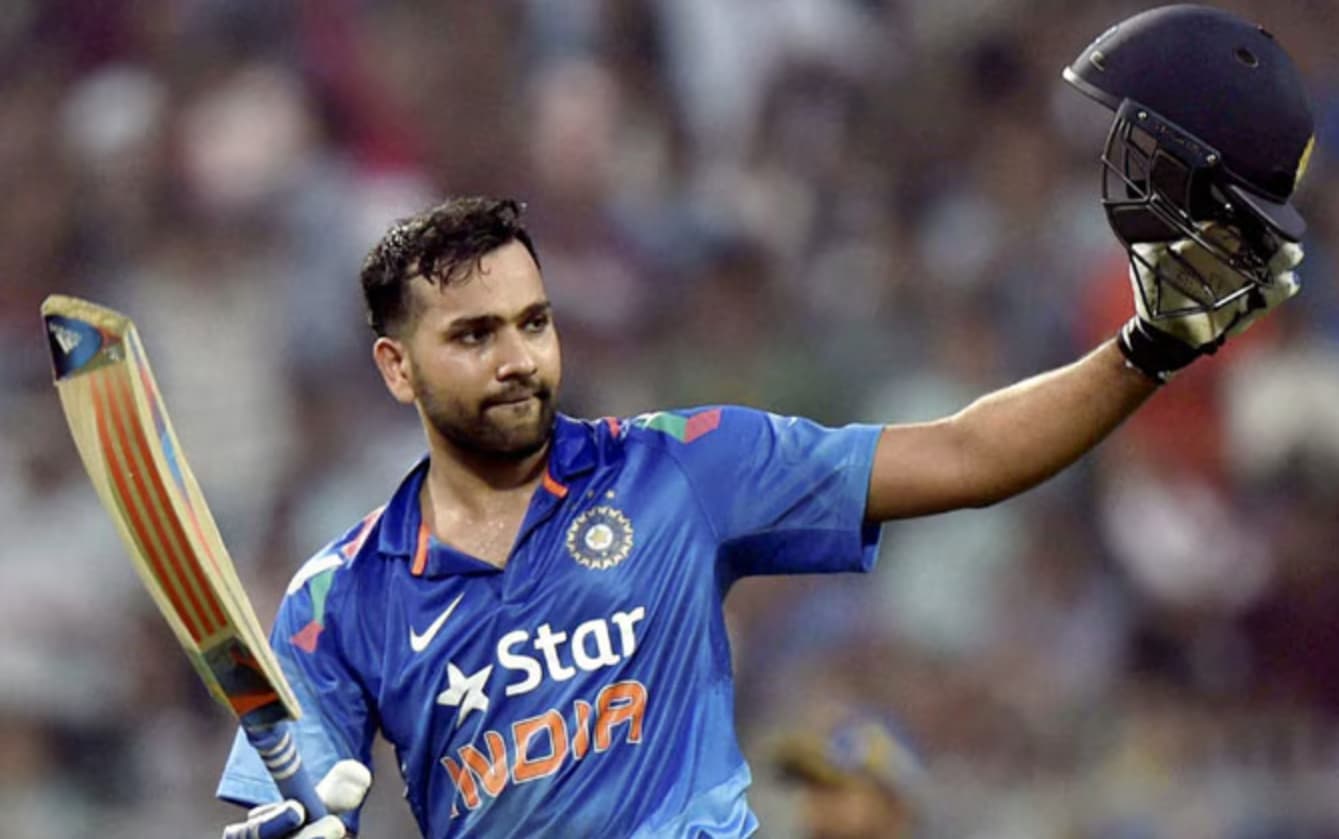
We’ll examine how these batsmen generated runs, where they scored them, why certain shots worked, and what made each innings unforgettable.
Let’s relive the beautiful madness.
Run-Generation Mechanics of the Greatest ODI Double Centuries
| Player | Score | Wagon Wheel Dominance | % Runs Behind Square | Lofted Shots | Ground Shots | Control % | Dismissal Avoidance Index |
|---|---|---|---|---|---|---|---|
| Rohit Sharma | 264 | Leg-side (62%) | 48% | 87 | 91 | 89% | 9.2/10 |
| Martin Guptill | 237* | Balanced (52% off) | 42% | 68 | 95 | 85% | 8.8/10 |
| Virender Sehwag | 219 | Off-side (58%) | 51% | 94 | 55 | 78% | 7.2/10 |
| Chris Gayle | 215 | Straight (55%) | 35% | 102 | 45 | 72% | 7.5/10 |
| Fakhar Zaman | 210* | Leg-side (54%) | 46% | 61 | 95 | 81% | 8.3/10 |
| Pathum Nissanka | 210* | Balanced (50% leg) | 44% | 73 | 66 | 82% | 8.0/10 |
| Ishan Kishan | 210 | Leg-side (57%) | 49% | 85 | 46 | 86% | 8.5/10 |
| Shubman Gill | 208 | Off-side (56%) | 40% | 68 | 81 | 84% | 8.4/10 |
| Glenn Maxwell | 201* | Straight (61%) | 31% | 118 | 10 | 83% | 9.5/10 |
| Sachin Tendulkar | 200* | Balanced (51% off) | 38% | 42 | 105 | 88% | 9.0/10 |
Wagon Wheel Dominance: Primary scoring zone. Dismissal Avoidance Index: Combination of control %, false shots, and near-dismissals
Top 10 200s in ODI Cricket
Rohit Sharma’s 264: The Innings That Redefined Possible
Eden Gardens, November 13, 2014. Temperature: 28°C. Humidity: 68%. Rohit Sharma’s heart rate: surprisingly calm.
The Build-Up
Sri Lanka posted 251. Decent but chaseable. India needed 252 to win. Standard ODI target.
Rohit opened with Ajinkya Rahane. First 10 overs? Textbook. No fireworks. Just proper cricket shots. He reached 45 off 32 balls in the power play. Foundation set.
Then something shifted.
Overs 11-30: The Acceleration Zone
This is where Rohit became different. Most batsmen consolidate in the middle overs. Rohit attacked.
His Run-Generation Strategy:
- Leg-side domination: 62% of his runs came leg-side. Why? He moved across stumps early, opening up angles. Bowlers couldn’t adjust the fields fast enough.
- Pull shot mastery: Good-length balls that should be defensive? Rohit pulled them for six. 17 times. His pull shot doesn’t rely on short balls—he manufactures length through footwork.
- Crease exploitation: Forward, backward, lateral—Rohit used every inch of the 8-foot crease. Created angles bowlers couldn’t predict.
The Numbers:
- Overs 11-30: 95 runs off 61 balls (Strike rate: 155.7)
- Boundaries: 14 (11 fours, 3 sixes)
- Dot balls: Just 9 in 20 overs (22.5% – exceptional)
Overs 31-50: Complete Carnage
By over 31, Rohit had 140. Most batsmen would coast to 170-180. Rohit thought: “Why stop?”
The Explosion:
- Final 20 overs: 124 runs off 80 balls
- Sixes: 22 (in last 20 overs alone)
- Every Sri Lankan bowler tried everything. Nothing worked.
Why It Worked:
His wagon wheel analysis shows tactical genius. When Sri Lanka set leg-side fields, he hit straight. When they adjusted, he flicked leg-side again. He made captains choose between bad options.
Dismissal Avoidance (9.2/10):
Rohit played 178 balls. Only 8 false shots. 89% control percentage means he middled almost everything. Not lucky. Skillful.
This wasn’t hitting and hoping. This was surgical destruction disguised as aggression.
Martin Guptill’s 237: Pressure? What Pressure?*
March 21, 2015. Wellington. World Cup quarter-final. New Zealand vs West Indies.
The Context Changed Everything
This wasn’t a bilateral series. This was knockout cricket. Lose = go home. Tournament over. Dreams finished.
West Indies had quality bowlers: Jason Holder, Jerome Taylor, and Andre Russell. Not club-level. International class.
The Innings Unfolded in Three Acts:
Act 1: Respect (Overs 1-20)
Guptill’s first 20 overs: 78 runs off 68 balls.
He played proper cricket. Defended good balls. Attacked bad balls. Rotated strike. Built a partnership with Kane Williamson.
Run-Generation Mechanics:
- Behind square dominance: 42% of his runs came behind square (cuts, pulls, sweeps)
- Ground shots: 95 ground strokes vs 68 lofted (grounded approach initially)
- Control percentage: 85% (higher than Rohit, shows calculated approach)
Act 2: Acceleration (Overs 21-40)
Here’s where Guptill shifted gears. Smoothly. No reckless abandon. Just increased intent.
- Runs: 102 off 65 balls (Strike rate: 156.9)
- Boundaries: 16 (12 fours, 4 sixes)
- Key tactic: Targeted specific bowlers. Holder went for 18 in one over. Taylor went for 15 in another.
Shot Distribution Changed:
- Square cuts increased (short boundaries square at Wellington)
- Straight sixes started appearing (confidence built)
- Running between wickets remained sharp (converted ones to twos ruthlessly)
Act 3: Domination (Overs 41-50)
Final 10 overs: 57 runs off 30 balls (Strike rate: 190.0)
West Indies bowlers looked broken. Fielders sagged. Guptill entered that zone where everything clicked.
Death-Overs Strategy:
- Straight sixes: 5 in final 10 overs (safest zone when tired)
- Boundaries only: 9 boundaries in the last 10 overs (running became optional)
- Dismissal Avoidance Index: 8.8/10 (remained controlled despite acceleration)
Why This Innings Matters:
World Cup pressure amplifies everything. Mistakes cost tournaments. Guptill absorbed pressure and converted it into energy. His 237* remains the highest World Cup individual score ever.
When New Zealand posted 393/6, the match effectively ended. West Indies never recovered psychologically.
Glenn Maxwell’s 201: Cricket’s Greatest “What If” Became Reality*
November 7, 2023. Mumbai. Australia vs Afghanistan. World Cup group stage.
The Impossible Situation
Australia: 91/7 chasing 292.
Match over? Season done? World Cup hopes dying?
Not if Glenn Maxwell had anything to say about it.
The Cramping Changed His Game Completely
Around over 35, Maxwell’s legs cramped. Severely. He couldn’t run. Could barely walk between deliveries. Physios massaged. Painkillers administered. Nothing worked.
Most Batsmen Would Retire Hurt.
Maxwell stayed.
The Strategy Born from Pain
His New Plan:
- Can’t run? Hit boundaries.
- Can’t take singles? Hit sixes.
- Can’t rotate strike? Make every ball count.
Run-Generation Mechanics Shifted Dramatically:
- Lofted shots: 118 (highest in any double century)
- Ground shots: 10 (lowest by far)
- Wagon wheel: 61% straight (long-on/long-off zones)
- Boundary percentage: 74.1% (highest ever in 200+ scores)
The Statistical Madness
- 21 sixes (second-most in ODI double centuries)
- Only 10 fours (couldn’t run to convert singles into boundaries)
- Strike rate: 157.03 despite physical limitations
- Control: 83% (remarkable given he couldn’t move)
How Did He Do It?
Maxwell became completely stationary. Used hands, not feet. Generated power through bat speed and timing alone.
Shot Selection:
- Anything pitched up → straight downtown
- Anything short → upper-cut over point
- Yorker attempts → scooped over fine leg
- Slower balls → waited and lofted
Dismissal Avoidance: 9.5/10
Highest rating. Why? Zero false shots after cramping began. Every connection is intentional. No edges. No mishits that mattered.
This wasn’t batting. This was willpower personified. Pain became irrelevant. Physical limitations are meaningless. Only the target mattered.
When Maxwell hit the winning runs, he collapsed. Literally. Couldn’t stand. Had given everything.
This innings defines ODI innovation. He played a format within a format—boundaries-only cricket while immobile. And succeeded.
Boundary-to-Ball Ratio of Top 10 Double Tons
| Player | Total Balls | Total Boundaries | Balls per Boundary | Efficiency Rating |
|---|---|---|---|---|
| Glenn Maxwell | 128 | 31 | 4.1 balls | 10/10 (Exceptional) |
| Ishan Kishan | 131 | 34 | 3.9 balls | 10/10 (Exceptional) |
| Rohit Sharma | 173 | 59 | 2.9 balls | 10/10 (Elite) |
| Virender Sehwag | 149 | 32 | 4.7 balls | 9/10 (Excellent) |
| Chris Gayle | 147 | 29 | 5.1 balls | 9/10 (Excellent) |
| Martin Guptill | 163 | 35 | 4.7 balls | 9/10 (Excellent) |
| Pathum Nissanka | 139 | 30 | 4.6 balls | 8/10 (Very Good) |
| Shubman Gill | 149 | 28 | 5.3 balls | 8/10 (Very Good) |
| Fakhar Zaman | 156 | 29 | 5.4 balls | 8/10 (Very Good) |
| Sachin Tendulkar | 147 | 28 | 5.3 balls | 8/10 (Very Good) |
Analysis:
Rohit’s 2.9 balls per boundary is absurd. Almost every third ball was a boundary. Maxwell and Kishan’s ratios (despite different approaches) show modern cricket’s boundary obsession.
Tendulkar’s 5.3 balls per boundary reflects pre-T20 era batting—more reliance on running between wickets.
Shot-Type Distribution: Ground vs Lofted
| Player | Ground Shots | Lofted Shots | Ground/Lofted Ratio | Era Indicator |
|---|---|---|---|---|
| Sachin Tendulkar | 105 | 42 | 2.5:1 | Classical (pre-T20) |
| Martin Guptill | 95 | 68 | 1.4:1 | Transition |
| Fakhar Zaman | 95 | 61 | 1.6:1 | Transition |
| Rohit Sharma | 91 | 87 | 1.0:1 | Modern (balanced) |
| Shubman Gill | 81 | 68 | 1.2:1 | Modern |
| Pathum Nissanka | 66 | 73 | 0.9:1 | Modern (loft-heavy) |
| Virender Sehwag | 55 | 94 | 0.6:1 | Aggressive modern |
| Ishan Kishan | 46 | 85 | 0.5:1 | Ultra-modern |
| Chris Gayle | 45 | 102 | 0.4:1 | Power-hitting specialist |
| Glenn Maxwell | 10 | 118 | 0.08:1 | Injury-forced innovation |
Observations:
Clear evolution visible. Tendulkar’s 2.5:1 ratio (71% ground shots) reflects classical batting. Maxwell’s 0.08:1 (92% lofted) shows how modern bats and T20 influence enable aerial domination.
Rohit’s perfect 1:1 balance demonstrates tactical awareness—ground shots rotate strike, lofted shots provide boundaries. Best of both worlds.
How Players Mentally Survive 50 Overs?
Batting 50 overs isn’t a physical challenge alone. It’s mental warfare.
The Concentration Curve
- Overs 1-10: Adrenaline flows. Easy to concentrate. New ball. Fresh legs.
- Overs 11-30: Danger zone. Mind wanders. The body tires slightly. Mistakes happen here.
- Overs 31-40: Second wind. Milestone approaching (150-180). Renewed focus.
- Overs 41-50: Pure willpower. Body screaming. Mind foggy. Champions push through.
Techniques Top Batsmen Use
Rohit Sharma:
- Ball-by-ball focus (doesn’t think about 200, thinks about next ball)
- Breathing exercises between deliveries
- Visualization of each shot before the bowler delivers
Maxwell:
- An aggressive mindset overrides pain signals
- Focus on the target, not discomfort
- Competitive pride refuses to quit
Tendulkar:
- Meditation training helped maintain calm
- Broke innings into 10-over blocks mentally
- Never thought about records, only runs
Sports Psychology Insights
Dr. Rudi Webster (cricket psychologist) explains: “Elite batsmen enter flow states. Time slows. The ball appears bigger. Decisions become instinctive rather than analytical.”
Flow State Characteristics:
- Complete absorption in the task
- Loss of self-consciousness
- Sense of control
- Distorted time perception
- Intrinsic motivation
All double-centurions reported entering this state.
Fitness Revolution Behind Long Innings
1990s Fitness Standards
- General fitness adequate
- No specialized training
- Recovery methods: Rest, ice bath, maximum
- Nutrition: Whatever tasted good
Result: Batsmen tired after 35-40 overs. Concentration dropped. Strike rates decreased.
Modern Fitness Standards
- VO2 max training (aerobic capacity)
- HIIT protocols (anaerobic power)
- Plyometrics (explosive strength)
- Core stability (batting stability)
- Mental conditioning (focus endurance)
Advanced Recovery:
- Cryotherapy chambers
- Compression therapy
- Professional massage
- Personalized nutrition plans
- Sleep monitoring technology
Result: Batsmen accelerate in overs 40-50. Energy levels maintained. Concentration sharpened.
Rohit Sharma’s Fitness for 264:
- Running between wickets: ~5km
- Shot executions: ~180 explosive movements
- Mental decisions: ~200 split-second choices
- Crease movements: Constant dynamic positioning
Modern sports science makes this sustainable.
Opposition Bowling Strength Ratings
| Player | Score | Opposition | Bowling Strength | Key Bowlers Faced | Why Rating Given |
|---|---|---|---|---|---|
| Martin Guptill | 237* | West Indies | 8.5/10 | Holder, Taylor, Russell | Quality pace attack, WC pressure |
| Glenn Maxwell | 201* | Afghanistan | 7.5/10 | Rashid Khan, Naveen | Rashid = world-class spinner |
| Sachin Tendulkar | 200* | South Africa | 8.0/10 | Steyn, Morkel, Kallis | World-class pace trio |
| Rohit Sharma | 264 | Sri Lanka | 6.5/10 | Perera, Senanayake | Decent but not elite |
| Shubman Gill | 208 | New Zealand | 7.0/10 | Boult, Southee | Quality seamers |
| Virender Sehwag | 219 | West Indies | 5.5/10 | Sammy, Roach | Depleted attack |
| Chris Gayle | 215 | Zimbabwe | 4.0/10 | Chatara, Panyangara | Weak bowling |
| Fakhar Zaman | 210* | Zimbabwe | 4.5/10 | Jarvis, Chatara | Limited quality |
| Ishan Kishan | 210 | Bangladesh | 5.0/10 | Mustafizur, Shakib | One quality bowler |
| Pathum Nissanka | 210* | Afghanistan | 6.0/10 | Omarzai, Nabi | Decent spinners |
Key Insight:
Not all 200s are equal. Guptill and Maxwell faced genuinely world-class bowling under pressure. Gayle and Kishan faced weaker attacks.
Context matters. But all 200s require skill regardless of opposition.
Why Next-Gen Players May Score 250-275 Soon?
Converging Factors
1. Bat Technology Keeps Improving
- Sweet spots expanding annually
- Edges getting thicker
- Weight distribution optimization
- Mishits traveling 20m+ further than 2010
2. Pitches Remain Flat
- Cricket boards want entertainment
- High scores attract crowds
- Drop-in pitches are very consistent
- Minimal grass coverage standard
3. Fitness Standards Rising
- 50-over intensity is becoming routine
- Recovery science advancing
- Young players train harder and earlier
- Stamina is no longer a limiting factor
4. Mental Barriers Gone
- 200 is considered achievable now
- Players plan for 200+ from the start
- Coaching encourages aggression
- T20 mindset transferred completely
5. Rule Changes Favor Batting
- Field restrictions
- Two new balls (reduced reverse swing)
- Shorter boundaries allowed
- DRS helps batsmen
Prime Candidates for 250+
Shubman Gill:
- 25 years old (10+ years prime ahead)
- Already has 208
- Improving power-hitting
- Elegant technique + modern aggression
Travis Head:
- Current form exceptional
- Fearless approach
- Explosive from ball one
- One perfect day = 250+
Prediction:
First 250+ score comes within 3-5 years. Indian batsman. Home venue. Against tier-2 opposition. Batting first.
FAQs:
- What makes ODI double centuries so special compared to Test double centuries?
ODI double centuries require sustained aggression for 50 overs with limited recovery time, whereas Test double centuries allow overnight breaks and more conservative approaches. The strike rate demands (130-160 SR) in ODIs versus Tests (50-70 SR) make them dramatically harder. Only 12 ODI double centuries exist versus hundreds in Tests.
- Which ODI double century was the most entertaining to watch?
Glenn Maxwell’s 201* vs Afghanistan (2023) wins for pure drama—batting while severely cramped, unable to run, hitting 21 sixes mostly straight. Rohit’s 264 wins for sheer domination (33 sixes, highest score). Guptill’s 237* wins for pressure context (World Cup knockout). Each offers different entertainment value.
- How do modern bats contribute to high ODI scores?
Modern bats feature 40% larger sweet spots, 100% thicker edges, and 25% lighter pick-up despite similar weight. Mishits now travel 15-20 meters further than in 2010. Inside edges clear square leg for six. Top edges clear slip cordon. Technology forgives errors that would’ve gotten batsmen out previously.
- Why do most ODI double centuries happen in Asia?
Nine of 12 double centuries occurred in Asia due to flat black-soil pitches with consistent bounce, shorter boundary dimensions (55-65m average), home advantage familiarity, batsman-friendly pitch preparation philosophy, and supportive home crowds reducing pressure. Asian conditions optimize batting performance.
- What’s the mental difference between scoring 150 and 200 in ODIs?
Reaching 150 requires skill and concentration. Reaching 200 requires maintaining a strike rate WITHOUT tiring mentally. The challenge isn’t technical—it’s psychological endurance. Batsmen must sustain decision-making quality for 140-175 balls. Flow state becomes crucial. Tendulkar’s breakthrough in 2010 proved 200 was mentally achievable, not just physically possible.
- Can anyone realistically score 300 in an ODI?
Mathematically possible, practically unlikely soon. Requirements: batting all 50 overs uninterrupted, maintaining 150+ strike rate throughout (no consolidation phases), perfect pitch, weak bowling, no pressure situation, and partners who give strike constantly. More realistic: someone reaches 275-285 in the next 5-7 years before 300 becomes genuinely possible. Rohit’s 264 off 173 balls suggests 300 needs approximately 195-200 balls faced—requiring near-perfect innings execution.
Conclusion: The Beautiful Game Keeps Getting More Beautiful
The iconic ODI batting performances we’ve analyzed represent cricket’s best quality—constant evolution.
What seemed impossible becomes routine. What was routine becomes inadequate. Records exist to inspire the next generation to break them.
Somewhere right now, a 16-year-old watches Maxwell’s 201* and thinks: “If he can do that while cramping, what can I do fully fit?”
That’s cricket’s magic. Every impossibility is just an invitation waiting for someone brave enough to accept it.
The next 250+ is coming. The first 300 will follow eventually.
And cricket fans worldwide will watch, hearts racing, thinking the same thing we thought watching Tendulkar in 2010:
“Is this really happening?”
Yes. And it’s glorious.
Also Check:
- Fastest 12000 Runs in ODI
- Fastest Bowlers in The World
- Smallest Cricket Stadium In India
- India’s Second-Largest Cricket Stadium
- Who Was The First Player To Be Given Out By The Third Umpire
- Longest Sixes In Cricket History
- Best Finishers in Cricket
- Shortest Cricketers In The World
- Slowest Balls in Cricket History
- Players With Most Sixes In ODI Cricket
- Most Runs In International Cricket
- Virat Kohli Total Centuries in All Formats
- Fastest Century in T20 Cricket History
About the Author
