Cricket is a beautiful game where batting gets the glory, but bowling wins matches.
If you’ve ever watched a cricket match and wondered how bowlers make the ball swing, spin, or bounce unpredictably, you’re not alone.
Understanding the types of bowling in cricket is like learning a secret language that makes watching and playing the game so much more enjoyable.
Bowling isn’t just about throwing the ball toward the batsman. It’s an art form. Some bowlers rely on raw speed to intimidate batsmen.
Others use clever spin to deceive them. Some make the ball move through the air like magic, while others use the pitch to create unexpected bounce.
Whether you’re a young cricketer dreaming of becoming the next Jasprit Bumrah or Shane Warne, or simply a fan wanting to understand what commentators mean when they say “googly” or “yorker,” this guide breaks down everything you need to know.
From pace bowling to spin bowling, from basic deliveries to advanced variations, we’ll explore how different bowling styles work, which famous bowlers mastered them, and why they’re so effective.
Types of Bowling in Cricket
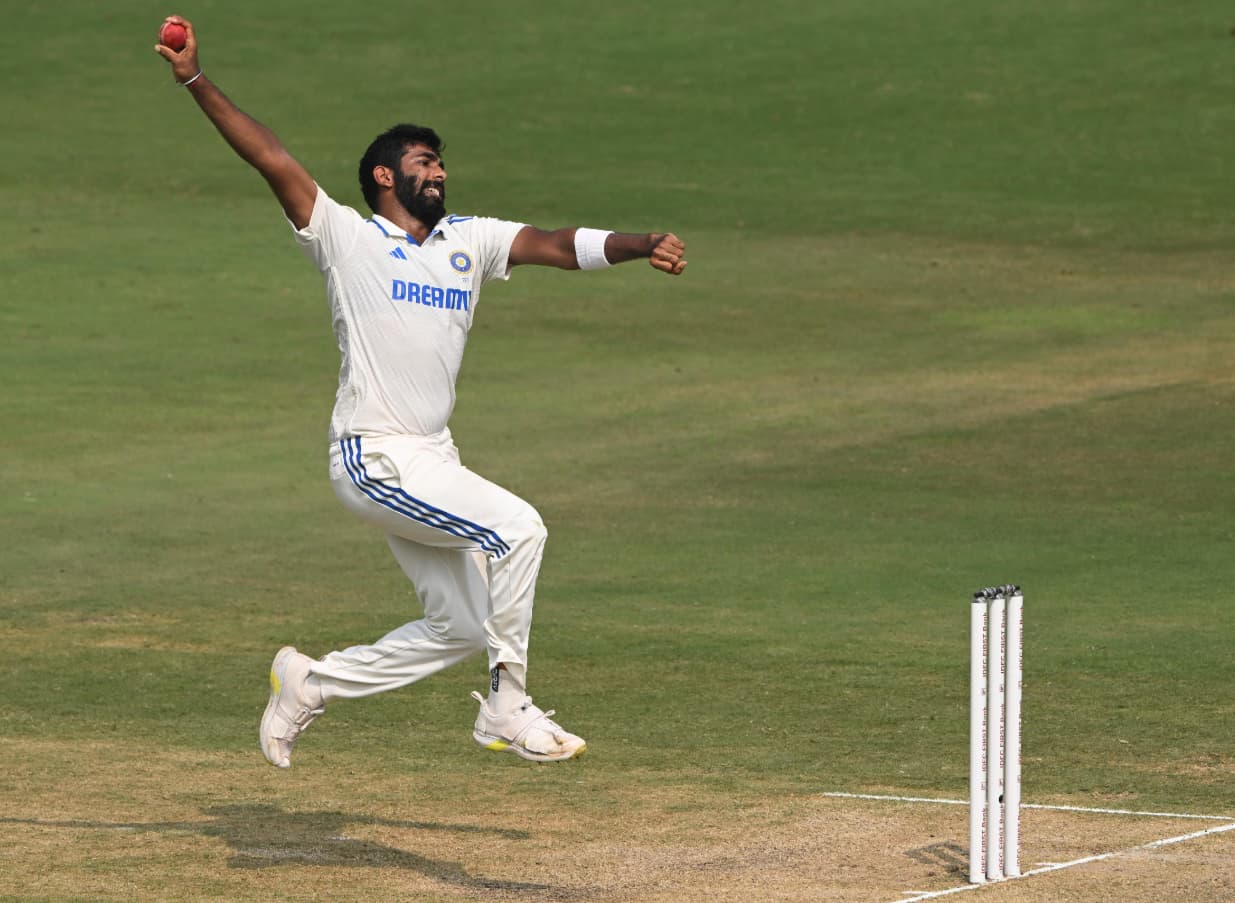
By the end, you’ll watch cricket matches with a completely new appreciation for the bowlers’ craft.
Let’s dive into the fascinating world of cricket bowling!
Did You Know? Best Bowlers in Cricket History
The Two Main Categories: Pace vs Spin
Before we get into specific deliveries, it’s important to understand that all types of bowling in cricket fall into two broad categories: Pace Bowling and Spin Bowling.
- Pace Bowling is all about speed and movement. Pace bowlers run in fast, release the ball at high speeds (sometimes over 150 km/h!), and use the ball’s seam or shine to make it move unpredictably. Think of bowlers like Jasprit Bumrah, Brett Lee, or Shoaib Akhtar—they intimidate batsmen with sheer pace and hostile deliveries.
- Spin Bowling is about deception and turn. Spin bowlers don’t rely on speed. Instead, they use their fingers or wrists to make the ball spin after it bounces, causing it to turn sharply and confuse batsmen. Legends like Shane Warne, Muttiah Muralitharan, and Ravichandran Ashwin built entire careers on spinning the ball in ways that seemed impossible.
Both styles have their place. Pace bowling works brilliantly on bouncy pitches and when the ball is new and hard. Spin bowling dominates on dry, dusty pitches, and as the ball gets older and rougher.
Now let’s break down each category in detail.
Pace Bowling: Speed, Swing, and Seam
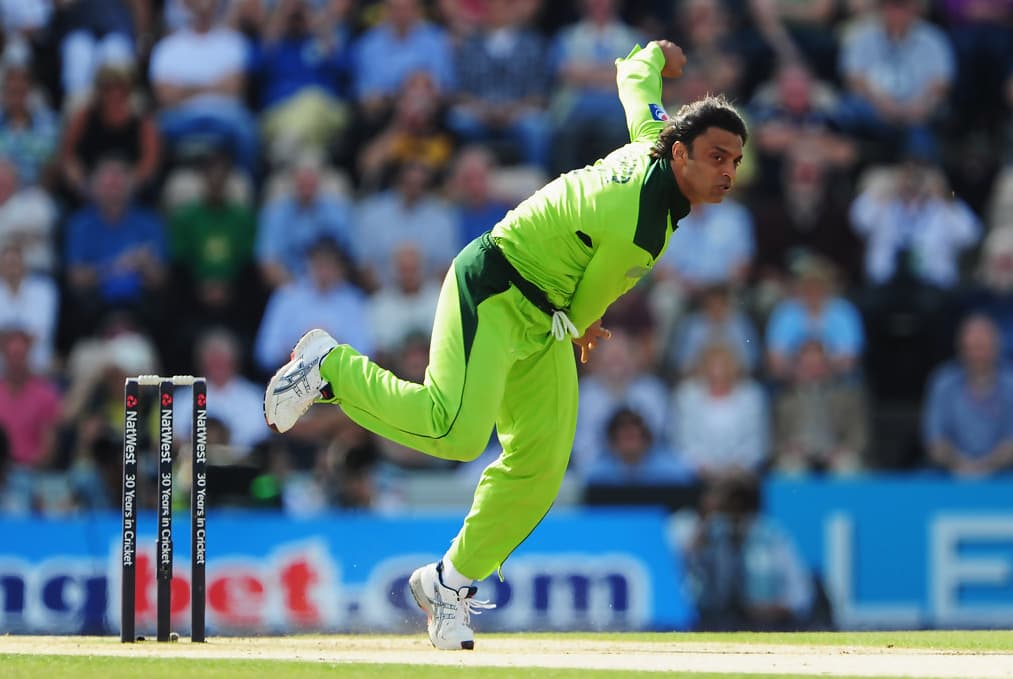
Pace bowling is cricket’s most aggressive art. When a fast bowler charges in, there’s electricity in the air. Batsmen know they need quick reflexes, courage, and technique to survive.
Fast Bowling
Fast bowlers are the thoroughbreds of cricket. They bowl at speeds that make batsmen uncomfortable, forcing mistakes through sheer pace and bounce.
Key Fast Bowling Deliveries:
- Yorker – This is the bowler’s weapon of mass destruction. A yorker is a full-length delivery aimed right at the batsman’s toes or the base of the stumps. When bowled perfectly, it’s almost impossible to defend or hit. Jasprit Bumrah has made the yorker his signature delivery, demolishing batsmen’s stumps in death overs.
- Bouncer – A short-pitched delivery that rises toward the batsman’s head or chest. The bouncer is designed to intimidate, force defensive shots, or induce false strokes that lead to catches. Mitchell Johnson used bouncers to terrorize England’s batting lineup during the 2013-14 Ashes.
- Outswinger – This delivery moves away from the batsman after pitching (or even in the air), making it dangerous because it can catch the outside edge of the bat. James Anderson is a master of outswing bowling, making life miserable for right-handed batsmen.
- Inswinger – The opposite of outswing, this delivery moves into the batsman after pitching, threatening the stumps or pads. Wasim Akram’s inswingers were legendary, often crashing into the leg stump before batsmen could react.
- Reverse Swing – This happens with an older ball that has one rough side and one shiny side. The ball swings in the opposite direction to a conventional swing, confusing batsmen completely. Pakistan’s bowlers—especially Wasim Akram and Waqar Younis—mastered reverse swing and used it to devastating effect.
- Slower Ball – A deceptive delivery where the bowler reduces pace significantly without changing their action. Batsmen expecting 140 km/h suddenly face a ball at 110 km/h, causing them to play their shot too early and mishit. Andrew Tye and Dwayne Bravo perfected slower ball variations in T20 cricket.
- Leg Cutter – The ball moves laterally off the pitch toward the leg side after bouncing. It’s bowled by cutting the fingers across the ball’s seam at release.
- Off Cutter – Similar to leg cutter, but moves toward the off side after pitching. Both cutters are effective on slow, dry pitches where the ball grips the surface.
Medium-Fast Bowling
Medium-fast bowlers sacrifice some pace for control and movement. They bowl between 120-135 km/h, focusing on swing and seam rather than raw speed.
- Swing Bowling – Swing bowlers make the ball move sideways through the air before it bounces. This movement depends on the ball’s condition, seam position, and atmospheric conditions. Glenn McGrath wasn’t the fastest, but his ability to swing the ball consistently made him one of cricket’s greatest bowlers.
- Seam Bowling – Seam bowlers land the ball on its seam, causing unpredictable movement off the pitch. The seam creates friction against the pitch, making the ball deviate left or right. Pat Cummins uses seam bowling brilliantly, extracting movement even on flat pitches.
Spin Bowling: The Art of Deception
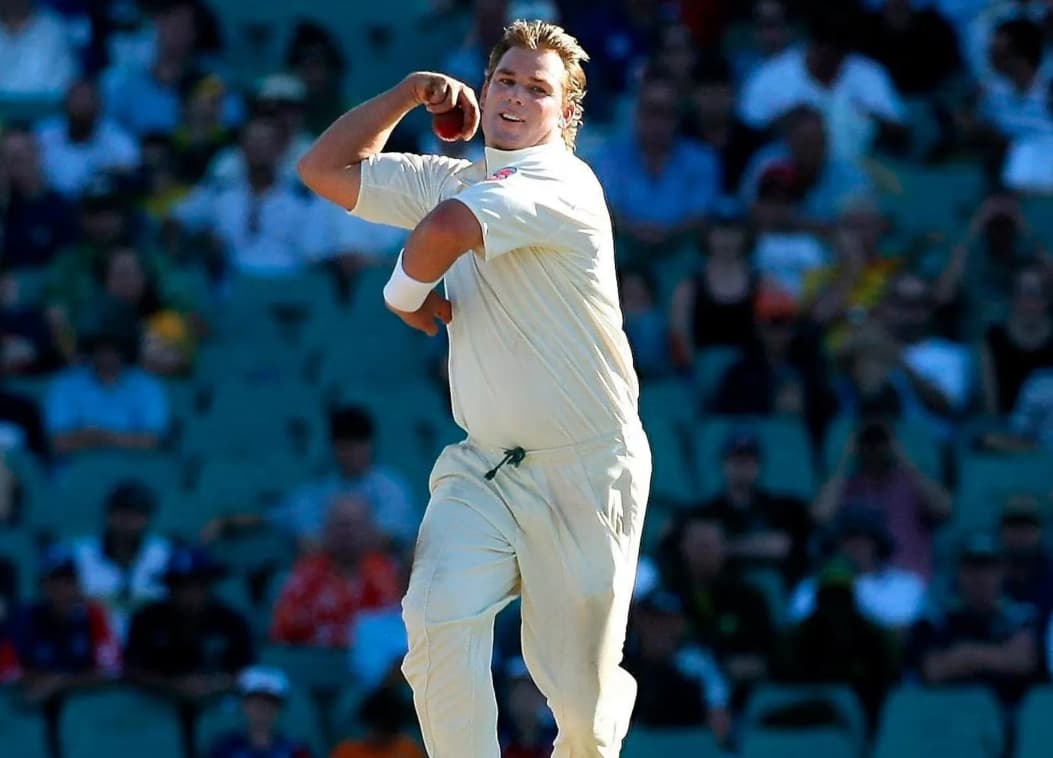
If pace bowling is about power, spin bowling is about craft. Spin bowlers use guile, flight, and turn to outsmart batsmen.
Off-Spin Bowling
Off-spinners use their fingers to spin the ball from the off side to the leg side (for right-handed batsmen). They’re particularly effective against right-handed batsmen who struggle with balls spinning into them.
Key Off-Spin Deliveries:
- Doosra – A deceptive delivery that spins the opposite way to a normal off-spinner. Saqlain Mushtaq invented the doosra, and it became a nightmare for batsmen because it looked identical to a regular off-break but spun away instead.
- Carrom Ball – Flicked from between the thumb and bent middle finger, this delivery spins unpredictably. Ravichandran Ashwin uses the carrom ball brilliantly to confuse batsmen expecting regular off-spin.
- Arm Ball – Delivered with a straight seam, this ball doesn’t spin but slides on after pitching, often trapping batsmen LBW who expect turn.
Leg-Spin Bowling
Leg-spinners spin the ball from leg to off (for right-handed batsmen), making it difficult to play because it spins away from the bat. Leg-spin is considered cricket’s most difficult skill to master but also its most rewarding.
Key Leg-Spin Deliveries:
- Googly – The leg-spinner’s secret weapon. A googly looks like a leg-break but spins the opposite way, into the batsman instead of away. Shane Warne’s “Ball of the Century” that bowled Mike Gatting wasn’t quite a googly, but his mastery of variations made him legendary.
- Top Spinner – This delivery bounces more than expected because of heavy overspin. It hurries onto batsmen who misjudge the bounce.
- Slider – A faster delivery with minimal spin that skids through low, often beating batsmen for pace rather than turn.
- Flipper – Squeezed out of the front of the hand, this delivery skids and stays low, often trapping batsmen LBW. Shane Warne’s flipper was unplayable on its day.
Left-Arm Spin Bowling
Left-arm spinners provide natural variation simply by bowling from the other side. They’re particularly effective against right-handed batsmen.
- Left-Arm Orthodox – Traditional left-arm finger spin that turns from leg to off for right-handers. Rangana Herath used orthodox left-arm spin to become one of cricket’s most successful spinners despite not having extreme turn.
- Chinaman – A left-arm wrist spinner (the left-handed equivalent of leg-spin). Brad Hogg was one of the few successful chinaman bowlers in modern cricket.
Quick Reference: 12 Bowling Delivery Types
Here’s a simple table summarizing the main types of pace bowling in cricket and spin variations:
| Bowling Type | Delivery Name | What It Does |
|---|---|---|
| Fast Bowling | Yorker | Full ball aimed at the batsman’s feet/stumps |
| Fast Bowling | Bouncer | Short ball rising to head/chest height |
| Fast Bowling | Outswinger | Swings away from the batsman |
| Fast Bowling | Inswinger | Swings into the batsman |
| Fast Bowling | Reverse Swing | Old ball swinging opposite to conventional |
| Fast Bowling | Slower Ball | Reduced pace to deceive the batsman |
| Off-Spin | Doosra | Spins opposite to regular off-break |
| Off-Spin | Carrom Ball | Flicked delivery with unpredictable spin |
| Leg-Spin | Googly | Leg-break that spins opposite direction |
| Leg-Spin | Flipper | Low, skidding delivery |
| Leg-Spin | Top Spinner | Extra bounce from over-spin |
| Left-Arm Spin | Chinaman | Left-arm wrist spin (rare) |
This covers the 12 bowling delivery types every cricket fan should know!
Famous Bowlers and Their Signature Styles
Understanding bowling becomes easier when you watch the masters:
- Jasprit Bumrah (India) – Unique action, deadly yorkers, unpredictable variations
- Shane Warne (Australia) – Greatest leg-spinner ever, mastered the googly and flipper
- Wasim Akram (Pakistan) – Left-arm pace genius, king of reverse swing and inswing
- Muttiah Muralitharan (Sri Lanka) – Most Test wickets ever, off-spin wizard
- Dale Steyn (South Africa) – Hostile fast bowler with reverse swing mastery
- Ravichandran Ashwin (India) – Modern off-spin maestro with carrom ball and variations
These legends show that mastering even 2 types of bowling in cricket (like pace and swing, or off-spin with variations) can make you world-class.
Why Learning Bowling Types Matters?
For players, understanding different bowling styles helps you:
- Develop your own bowling action and variations
- Strategize against different batsmen
- Bowl in different conditions (seaming, spinning, or flat pitches)
For fans, knowing these types makes watching cricket infinitely more enjoyable. When commentators discuss Bumrah’s yorker or Ashwin’s carrom ball, you’ll understand exactly what makes those deliveries special.
Frequently Asked Questions:
- Q1: How many types of bowling are there in cricket?
There are two main categories—pace bowling and spin bowling—with numerous variations within each. In total, there are over 15-20 distinct delivery types, including yorkers, bouncers, googlies, doosras, and more.
- Q2: What are the 12 bowling delivery types in cricket?
The key 12 include: yorker, bouncer, outswinger, inswinger, reverse swing, slower ball, off-break, doosra, leg-break, googly, top-spinner, and flipper. These cover both pace and spin variations.
- Q3: What is the difference between pace and spin bowling?
Pace bowlers rely on speed, bounce, and swing/seam movement. Spin bowlers use finger or wrist action to make the ball turn after pitching. Pace is about aggression; spin is about deception.
- Q4: Who is the best fast bowler in cricket history?
This is debatable, but names like Malcolm Marshall, Glenn McGrath, Dale Steyn, Wasim Akram, and Dennis Lillee consistently appear in all-time lists. Each brought unique skills to fast bowling.
- Q5: What bowling style does Jasprit Bumrah use?
Bumrah is a fast bowler with a unique slinging action. His signature deliveries are yorkers and slower balls, along with excellent death-over bowling skills that make him one of modern cricket’s best.
- Q6: How do you bowl an outswinger?
Hold the ball with the seam angled toward the slip, shine on one side, and release with the wrist behind the ball. The ball should swing away from the batsman as it moves through the air.
Q7: Which type of bowling is easiest to learn?
Medium-pace seam bowling is generally easiest for beginners because it doesn’t require extreme pace or complex wrist positions. Off-spin is also relatively accessible for new bowlers.
- Q8: Can a bowler master both pace and spin bowling?
It’s extremely rare. The techniques are so different that most bowlers specialize in one category. However, some all-rounders like Irfan Pathan bowled medium pace and occasionally tried spin, though never at the highest level in both.
Conclusion: Master the Craft
The types of bowling in cricket represent one of the game’s most fascinating aspects.
From the raw aggression of fast bowling to the subtle deception of spin, each style requires years of practice, intelligence, and adaptability.
Whether you’re inspired by Bumrah’s yorkers, Warne’s leg-spin wizardry, or Akram’s reverse swing genius, remember that great bowlers combine natural talent with relentless practice.
They study batsmen, understand conditions, and constantly evolve their skills.
If you’re a young bowler, pick a style that suits your physique and temperament. Fast bowling requires athleticism and strength.
Spin bowling needs patience and guile. Experiment with variations, watch the masters, and practice consistently.
Cricket needs great bowlers as much as it needs great batsmen. After all, as the saying goes, batsmen win you matches, but bowlers win you championships!
About the Author
