The England cricket players salary 2026-2027 structure continues under the England and Wales Cricket Board’s evolved central contract system.
The ECB recently announced updated contracts covering 30 players for the 2025-26 season.
Central contracts form the backbone of England’s player payment framework.
They ensure top cricketers prioritize national duty while receiving competitive financial packages.
The system covers annual retainers, match fees, and workload management protocols.
The 2025-26 cycle runs from October 2025 through September 2026.
While exact figures remain undisclosed by the ECB, salary bands follow established patterns.
England Cricket Players Salary 2026-27
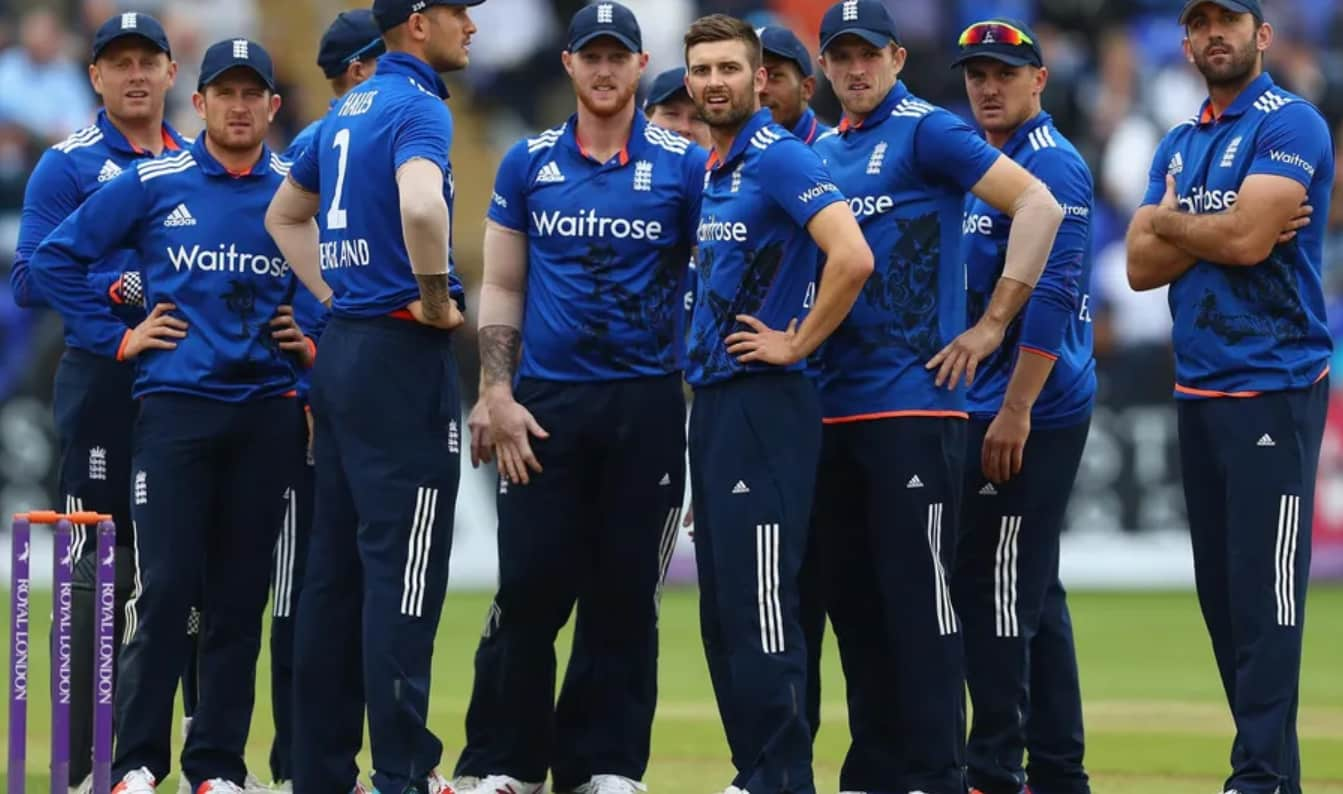
Players earn based on contract type, format involvement, and international standing.
England Cricket Players Salary 2026-27
| Contract Level | Estimated Annual Salary Range | Player Category |
|---|---|---|
| Top Tier | £700,000 – £800,000 | All-format core players |
| Mid Tier | £400,000 – £650,000 | Regular format specialists |
| Entry Level | £130,000 – £300,000 | Role-based & development players |
The England Cricket Players Salary 2026 framework follows a tiered approach based on format participation and player seniority.
All-format stars command top-tier packages while specialists receive proportional compensation.
Development contracts sit below the standard bands, typically under £200,000 annually.
These support emerging talent without full international exposure.
The ECB adjusts bands annually based on inflation and market conditions.
England Cricketers With Central Contracts
Central contracts lock players into ECB control from October through September.
The board manages availability for all cricket, including domestic and franchise participation.
Players cannot accept overseas commitments without explicit ECB approval.
The England Cricketers Salary model covers 30 centrally contracted players for 2025-26.
This includes 14 two-year contracts, 12 one-year deals, and four development contracts.
The system ensures workload protection while maintaining competitive compensation.
The ECB retained a core group while adding five new players to central contracts.
Sonny Baker, Liam Dawson, Saqib Mahmood, Jamie Overton, and Luke Wood received their first central deals.
Three players secured first-time development contracts.
England Men Centrally Contracted Players 2025–26 Explained
The ECB operates three distinct contract categories for the 2025-26 season. Each serves specific player profiles and career stages.
Multi-year deals provide long-term security while one-year contracts allow flexibility for senior specialists and injury-prone players.
The board discontinued three-year contracts for this cycle. All players now hold either two-year, one-year, or development deals.
This adjustment reflects evolving workload management strategies and franchise cricket planning.
1. Three-Year Central Contracts
Long-term contracts for players who expect to play in multiple formats. Provide the highest level of financial security.
The ECB did not award any three-year contracts for the 2025-26 season. This marks a shift from previous cycles, where elite multi-format players received three-year terms. The board opted for two-year deals as the maximum contract length.
2. England Two-Year Central Contracts (30 September 2027)
- Jofra Archer (Retained)
- Gus Atkinson (Retained)
- Jacob Bethell (Retained)
- Harry Brook (Retained)
- Jos Buttler (Retained)
- Brydon Carse (Retained)
- Sam Curran (Retained)
- Ben Duckett (Retained)
- Will Jacks (Retained)
- Adil Rashid (Retained)
- Joe Root (Retained)
- Jamie Smith (Retained)
- Ben Stokes (Retained)
- Josh Tongue (Retained)
Two-year deals balance security with performance assessment windows. These contracts suit established internationals with proven records. The ECB awarded 14 players two-year terms running through September 30, 2027.
Players receive mid-to-top tier salaries depending on format involvement. Managing Director Rob Key emphasized that these deals allow responsible workload management for multi-format players. The structure also secures white-ball specialists around the growing franchise calendar.
3. England One-Year Central Contracts (30 September 2026)
- Rehan Ahmed (Retained)
- Sonny Baker (New)
- Shoaib Bashir (Retained)
- Zak Crawley (Retained)
- Liam Dawson (New)
- Saqib Mahmood (New)
- Jamie Overton (New)
- Ollie Pope (Retained)
- Matthew Potts (Retained)
- Phil Salt (Retained)
- Mark Wood (Retained)
- Luke Wood (New)
One-year contracts apply to format specialists, injury-managed players, and emerging internationals. Annual reviews assess fitness, form, and availability. Twelve players received one-year deals in the current cycle.
The English Cricketers Salary for this category range from £250,000 to £400,000. Players like Phil Salt and Mark Wood fall into this group. The ECB can adjust roles and compensation based on evolving team needs.
4. Development Contracts
- Josh Hull (Retained)
- Eddie Jack (New)
- Tom Lawes (New)
- Mitchell Stanley (New)
Development contracts prepare young talent for international cricket. Four players currently hold these deals. These contracts provide financial support below standard central contract levels.
The ECB evaluates these contracts every September. This ensures that players are rewarded for their performance, and priority is given to availability in the national team.
Salaries of England Cricketers
England’s salary structure spans £130,000 to £800,000 annually based on contract type. All-format players commanding two-year deals earn maximum bands.
Limited-overs specialists typically receive lower base salaries supplemented by match fees.
The ECB does not publish individual player salaries. Reported figures come from media sources and industry estimates.
Format involvement heavily influences earnings, with Test cricket commanding premium valuations.
When broken down, England cricket players’ salaries per month range from approximately £11,000 for development players to £66,000 for top-tier stars.
These figures exclude match fees, franchise earnings, and endorsements.
Per Match Fees of England Cricketers
England players receive format-specific match fees on top of annual contracts. Test matches pay £12,500 per appearance, reflecting cricket’s longest format demands. ODI fees stand at £5,000 per match.
T20 Internationals carry £3,500 match fees, the lowest among international formats. These fees apply regardless of contract tier. A player appearing in all three formats can earn substantial additional income beyond base salary.
In Indian currency terms, England cricket players salary in rupees convert to approximately ₹1.1 crore to ₹8.4 crore annually at current exchange rates. Match fees add ₹3-13 lakh per game, depending on format.
England’s Centrally Contracted Players (2025–26)
| Player Name | County | Contract Type |
|---|---|---|
| England Two-Year Central Contracts (Until 30 Sept 2027) | ||
| Jofra Archer | Sussex | Two-Year |
| Gus Atkinson | Surrey | Two-Year |
| Jacob Bethell | Warwickshire | Two-Year |
| Harry Brook | Yorkshire | Two-Year |
| Jos Buttler | Lancashire | Two-Year |
| Brydon Carse | Durham | Two-Year |
| Sam Curran | Surrey | Two-Year |
| Ben Duckett | Nottinghamshire | Two-Year |
| Will Jacks | Surrey | Two-Year |
| Adil Rashid | Yorkshire | Two-Year |
| Joe Root | Yorkshire | Two-Year |
| Jamie Smith | Surrey | Two-Year |
| Ben Stokes | Durham | Two-Year |
| Josh Tongue | Nottinghamshire | Two-Year |
| England One-Year Central Contracts (Until 30 Sept 2026) | ||
| Rehan Ahmed | Leicestershire | One-Year |
| Sonny Baker* | Hampshire | One-Year |
| Shoaib Bashir | Somerset | One-Year |
| Zak Crawley | Kent | One-Year |
| Liam Dawson* | Hampshire | One-Year |
| Saqib Mahmood* | Lancashire | One-Year |
| Jamie Overton* | Surrey | One-Year |
| Ollie Pope | Surrey | One-Year |
| Matthew Potts | Durham | One-Year |
| Phil Salt | Lancashire | One-Year |
| Mark Wood | Durham | One-Year |
| Luke Wood* | Lancashire | One-Year |
| England Development Contracts | ||
| Josh Hull | Leicestershire | Development |
| Eddie Jack | Hampshire | Development |
| Tom Lawes | Surrey | Development |
| Mitchell Stanley | Lancashire | Development |
*Denotes newly centrally contracted player for 2025–26 “Source“
How Much do England Cricketers Earn?
England players access multiple income streams beyond ECB contracts. Base salaries form the foundation, supplemented by per-match fees across formats.
International cricketers earn significantly from franchise leagues, particularly the IPL.
The Hundred provides additional domestic income during the English summer.
Players also secure brand endorsements and sponsorship deals based on profile and marketability.
England Cricket Players Salary 2027 projections suggest continued growth aligned with inflation and commercial expansion.
Top earners like Jos Buttler and Ben Stokes combine £700,000-£800,000 ECB contracts with IPL earnings exceeding £1 million annually.
Mid-tier players balance international duty with selective franchise participation. Development contract holders focus primarily on domestic and England Lions cricket.
Why Are ECB Contracts Important?
Central contracts give the ECB control over player availability and workload.
This prevents overuse and manages injury risks across packed international calendars.
Players cannot participate in overseas leagues without board permission.
Rob Key noted the structure allows the ECB to support players properly while maintaining strong squads across formats.
The system prioritizes England duty over domestic and franchise commitments.
Financial security reduces pressure on players to chase lucrative short-term deals.
Two-year deals for multi-format players enable responsible workload management.
The ECB also secured white-ball specialists on longer agreements to plan around franchise calendars.
This ensures England remains the priority for centrally contracted players.
ECB Vs Other Boards Salary Structure
| Board | Contract Length | Max Annual Pay |
|---|---|---|
| ECB | Up to 2 Years | £800,000 |
| BCCI | 1 Year | ₹7 Crore+ |
| CA | Multi-Year | AUD 2M+ |
FAQs:
- How do England cricket contracts differ from BCCI contracts?
The ECB offers multi-year contracts up to two years, while the BCCI uses annual deals. England’s structure provides long-term security. Indian players renegotiate annually based on form and availability across formats.
- Why do England players earn less than IPL salaries?
IPL operates on a franchise auction model with private investment. ECB contracts balance national duty with financial reward. Players like Sam Curran earn more from IPL than ECB contracts, but England deals provide year-round security.
- What happens to players not awarded central contracts?
Non-contracted players rely on county cricket salaries and England match fees when selected. They can pursue franchise opportunities more freely. The England Cricket Players Salary system still compensates them for international appearances through per-match fees.
- Do women cricketers receive central contracts?
Yes, the ECB operates a separate central contract system for women’s cricket. Female players receive professional contracts with increasing salary bands. The structure mirrors men’s cricket with annual and multi-year deals.
- Can England players refuse central contracts?
Players can decline contracts but lose ECB salary and may limit England selection. Central contracts form the standard professional framework. Refusing contracts typically signals retirement or a move away from international cricket.
Conclusion:
The England cricket players salary 2026-27 framework maintains the ECB’s modern approach to player compensation.
Multi-year contracts provide stability while annual evaluations ensure performance alignment. England’s system balances competitive pay with national availability requirements.
Key elements include:
- Contract types: Two-year, one-year, and development deals
- Salary bands: £130,000 to £800,000 based on role and format
- Match fees: £12,500 (Tests), £5,000 (ODIs), £3,500 (T20Is)
- Future outlook: Continued alignment with franchise cricket growth while protecting national priorities
The ECB structure ensures England remains competitive in securing talent against rising franchise league valuations.
Also Check:
- Australian Cricket Players Salary
- Indian Cricket Players Salaries 2026
- ICC Cricket Umpire Salary
- IPL Commentators Salary
About the Author
