Finding the best leather ball under 500 in 2026 on Amazon requires balancing durability with performance expectations.
Budget leather balls serve club cricketers, school teams, and weekend players who need match-quality construction without premium pricing.
Best Leather Balls Under 500 Rs typically feature grade 2 cores, alum-tanned leather casing, and water-resistant treatments.
These balls suit practice sessions, local tournaments, and casual matches where professional-grade equipment isn’t necessary.
Price constraints mean trade-offs in leather quality and core construction.
Best Leather Balls Under 500 in 2026
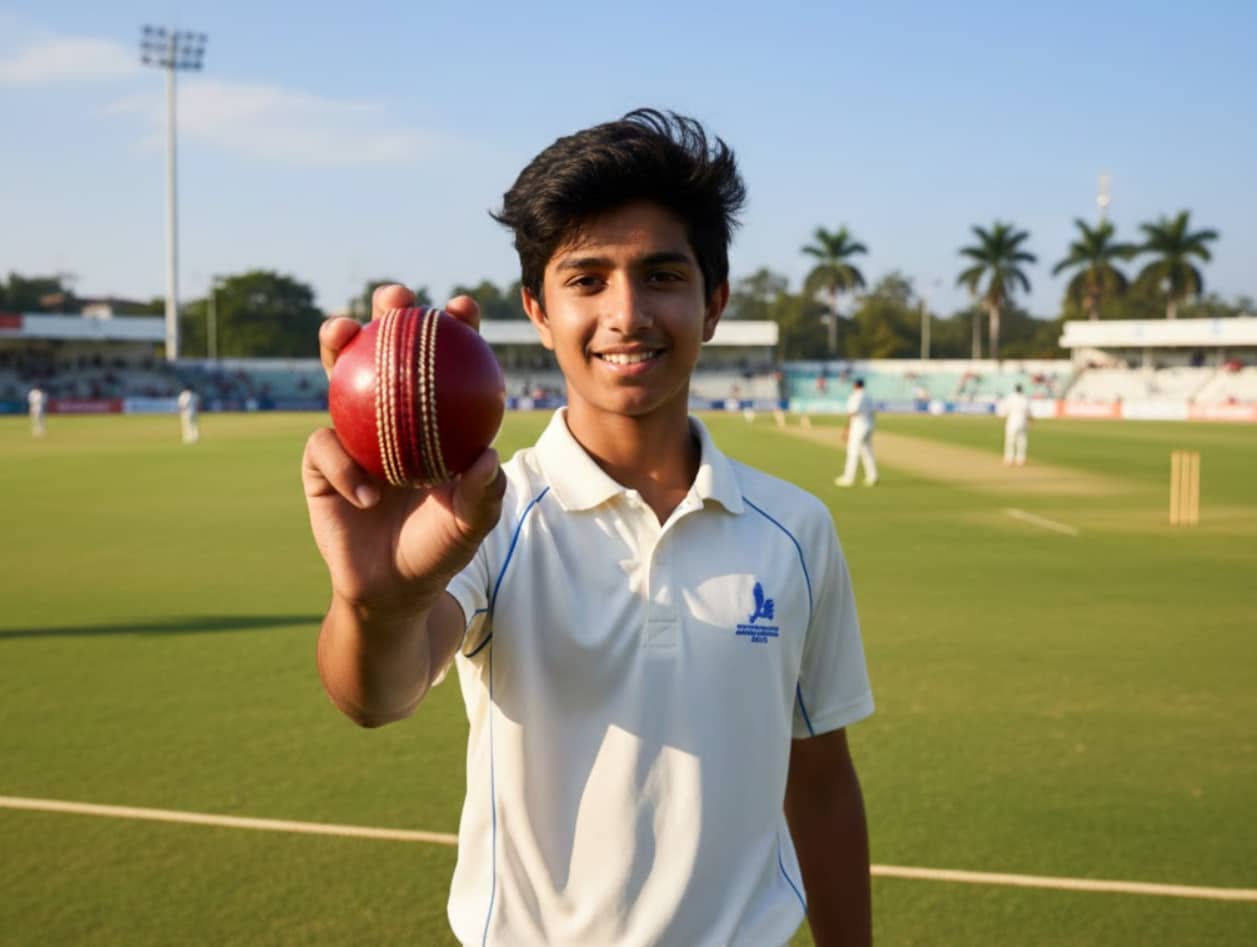
Understanding these differences helps buyers choose between practice durability and match-day performance.
Top 4 Leather Balls Under Rs 500
| Brand & Model | Buy on Amazon | Leather Type | Core | Best For |
|---|---|---|---|---|
| SG Shield 20 | Buy on Amazon | High-grade encasement | Multi-layer construction | Practice & school matches |
| SG Seamer (Red) | Buy on Amazon | Water-proofed leather | One-piece Grade 2 | Club & school matches |
| BOXCO Premium White | Buy on Amazon | Oil & alum tanned | Cork + Merino wool | Club tournaments & T20 |
| SG Campus Four Piece | Buy on Amazon | Alum tanned premium | Four-piece construction | Men & boys practice |
Disclosure: This post contains affiliate links, which means as an Amazon Associate, I may earn a small commission if you purchase through my links. There’s no additional cost to you, and I only recommend products I genuinely believe in.
Top 4 Leather Balls Under 500 For Cricket Enthusiasts
SG Shield 20 Cricket Balls [Buy Now on Amazon]
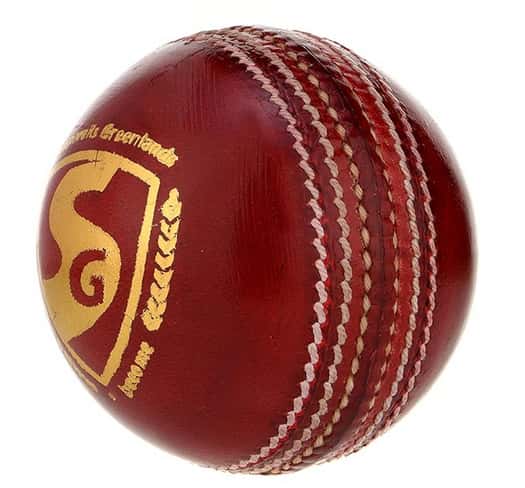 The SG Shield 20 targets practice-intensive environments where consistent bounce and shape retention matter more than professional-grade seam presentation. Designed for cement wickets and rough usage conditions common in Indian club cricket.
Features:
- Good Quality Center Construction: The multi-layer core design distributes impact force evenly across the ball’s structure. This prevents early deformation during hard-hitting practice sessions and maintains bounce consistency through 15-20 overs of continuous play.
- Top-Quality Encasement: Multiple leather layers protect the core from moisture penetration and surface damage. The encasement thickness handles abrasive concrete wickets better than single-layer alternatives, extending usable life by 30-40 hours of play.
- High Abrasion Resistance: Surface treatment prevents leather tearing when balls hit rough pitch areas or concrete boundaries. This feature specifically benefits teams practicing on municipal grounds where turf wickets aren’t available.
- Excellent Shape Retention: Engineering maintains spherical integrity even after repeated impacts on hard surfaces. Shape stability directly affects swing movement and seam position, critical for bowlers developing technique with budget equipment.
- Package Contents: Single ball packaging reduces per-unit cost while allowing buyers to test quality before bulk orders. Suitable for individual players building practice ball inventories gradually.
Quick Review:
Handles rough usage conditions effectively. Best suited for practice sessions on cement wickets. Maintains bounce consistency longer than similarly priced alternatives. Value proposition centers on durability over seam presentation quality.
[Buy Now on Amazon]
SG Leather Cricket Balls Seamer (Red) [Buy Now on Amazon]
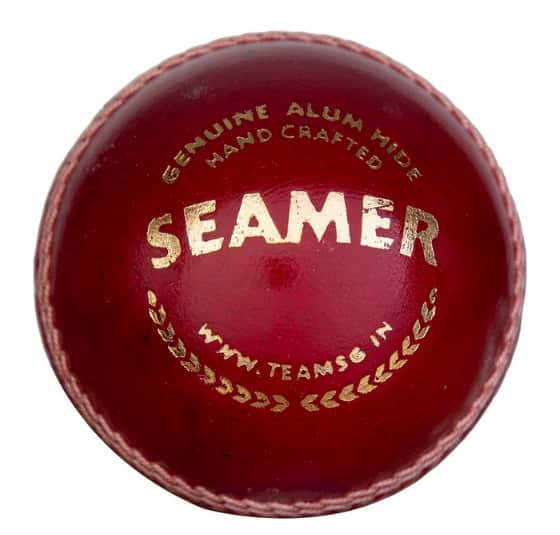
This SG leather ball under 500 positions between practice-grade and match-quality equipment. The Seamer designation indicates enhanced seam construction for players focusing on swing and seam bowling techniques.
Features:
- Match Suitability: Designed for club and school match conditions where budget constraints prevent professional-grade ball purchases. Performs adequately in 20-over formats where ball degradation matters less than longer formats.
- One-Piece Grade 2 Core: Solid core construction eliminates multiple-piece seam failures common in budget balls. Grade 2 classification indicates acceptable hardness for proper bounce without the premium cork quality found in Grade 1 cores.
- Water-Proofing: Treatment prevents moisture absorption during dew conditions or light rain scenarios. Water-proofing extends ball life in humid climates and reduces weight gain that affects bowling accuracy.
Quick Review:
Strong seam construction suits bowlers practicing swing techniques. Grade 2 core is adequate for school-level matches. Water-proofing adds value in monsoon season practice. Price-performance ratio favors teams needing match balls without professional specifications.
[Buy Now on Amazon]
BOXCO Premium White Leather Cricket Ball [Buy Now on Amazon]
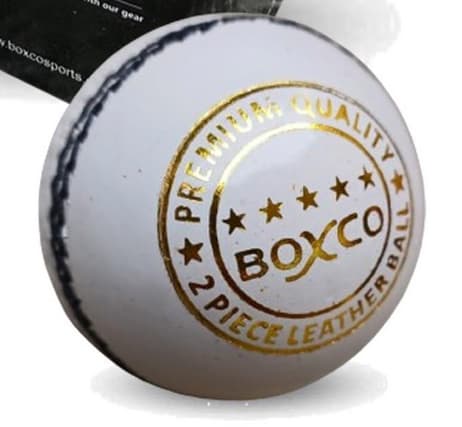
Meerut-manufactured white leather ball targeting T20 tournaments and colored-format practice. White leather visibility under floodlights justifies slightly higher pricing within the under-₹500 category.
Features:
- Hand-Made Two-Piece Construction: Traditional hand-stitching allows craftsmen to adjust tension precisely during assembly. Two-piece construction simplifies manufacturing while maintaining structural integrity adequate for top brand cricket leather balls just under Rs 500.
- Oil & Alum Tanned Leather: The combined tanning process makes leather resistant to strain, perspiration, and water damage. Oil tanning maintains leather flexibility while alum tanning provides the moisture resistance necessary for outdoor Indian conditions.
- Cork and Merino Wool Core: Fine-grade cork provides hardness, while tightly wound merino wool layers add resilience. This combination creates bounce characteristics closer to professional balls despite budget pricing constraints.
- Ludhiana Stitching Thread: Sourcing thread from Ludhiana’s textile industry ensures non-elastic, heat-resistant stitching. Natural thread appearance maintains aesthetic standards while virtually zero elasticity prevents seam separation during play.
- Manufactured in Meerut: Meerut’s sports industry produces 50% of India’s cricket balls, guaranteeing access to skilled craftsmen and quality control standards. Regional manufacturing expertise translates to better quality control at this price point.
Quick Review
Best white leather option under ₹500 for colored-format cricket. Cork-wool core delivers professional-like bounce. Hand-made construction quality exceeds machine-manufactured alternatives. Suitable for club T20 tournaments and practice.
[Buy Now on Amazon]
SG Campus Four Piece Leather Cricket Ball – Red [Buy Now on Amazon]
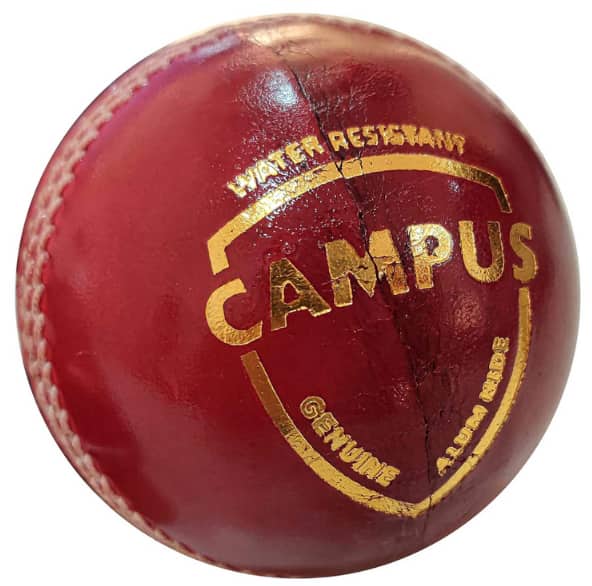
SG Campus Four Piece Leather Cricket Ball targets school cricket programs needing affordable match balls with acceptable quality standards. Maroon red coloring distinguishes it from standard red balls while maintaining traditional leather cricket aesthetics.
Features:
- Leather Quality: High-quality leather classification indicates proper tanning and thickness standards. Material selection focuses on durability over premium softness, appropriate for school-level usage where ball replacement frequency matters.
- Centre Construction: Multi-layer core design encased with quality materials prevents premature core compression. Construction method balances cost efficiency with performance requirements for the best leather ball under 500 in india market segment.
- Water-Proofing: Treatment prevents moisture absorption that adds weight and reduces bounce consistency. Particularly valuable for schools conducting practice sessions during early morning dew conditions.
- Usage Level: Explicitly designed for club and school match environments. Specifications match requirements for local tournament organizers seeking affordable yet regulation-compliant balls.
- Box Contents: Single ball packaging with basic protection. Minimal packaging reduces cost while maintaining product protection during shipping and storage.
- Quick Review: Solid choice for school cricket programs. Water-proofing handles Indian weather conditions effectively. Maroon red color is distinctive for inventory management. Value-focused construction is appropriate for institutional bulk purchases.
Quick Review
Solid choice for school cricket programs. Water-proofing handles Indian weather conditions effectively. Maroon red color is distinctive for inventory management. Value-focused construction is appropriate for institutional bulk purchases.
[Buy Now on Amazon]
How to Choose the Best Leather Cricket Ball Under ₹500?
- Playing Surface vs Leather Durability: Cement wickets require thicker leather encasement and higher abrasion resistance. Turf wickets allow softer leather that responds better to polish and swing bowling techniques.
- Core Construction and Bounce Consistency: One-piece Grade 2 cores offer uniform hardness distribution. Four-piece construction reduces cost but may develop dead spots after 10-15 hours of play.
- Stitch Quality and Seam Height: Natural thread from Ludhiana maintains seam integrity longer than synthetic alternatives. Seam height between 0.8-1.2mm suits swing bowling without excessive wear on cement surfaces.
- Match Ball vs Practice Ball Differences: Match balls prioritize seam prominence and leather finish. Practice balls emphasize durability over aesthetic presentation and swing characteristics.
- Weight Compliance and Age Suitability: ICC regulation 156-160g suits men’s cricket. Youth players require proper weight verification to develop correct bowling and batting techniques.
Things to Check Before Buying a Leather Cricket Ball?
- Leather Type and Tanning Method: Alum tanning provides moisture resistance for humid climates. Oil tanning maintains flexibility but requires regular maintenance in dry conditions.
- One-Piece vs Four-Piece Construction: Single-piece cores eliminate internal seam failures. Four-piece construction is acceptable for practice usage, but it degrades faster under aggressive hitting.
- Water Resistance Claims: Genuine water-proofing prevents weight gain during dew conditions. Surface treatments wear off after 8-10 playing sessions regardless of marketing claims.
- Brand Consistency at Budget Pricing: Established manufacturers like SG maintain quality control standards. Lesser-known brands show batch-to-batch variation affecting bounce and durability.
- Packaging and Single-Ball Value: Minimal packaging reduces per-unit cost for individual buyers. Box protection matters less than leather quality verification before purchase.
Practice Ball vs Match Ball: What’s the Real Difference?
- Leather Finishing and Polish Level: Match balls feature smoother leather surfaces that respond to saliva and sweat polishing. Practice balls use rougher finishe,s prioritizing abrasion resistance over shine.
- Seam Strength and Swing Potential: Match ball seams protrude 1-1.5mm for conventional and reverse swing. Practice ball seams flatten within 5 overs, reducing aerodynamic manipulation.
- Expected Lifespan Per Format: Match balls deteriorate after 40-50 overs under game conditions. Practice balls withstand 80-100 hours of net sessions on cement wickets.
- Cost vs Replacement Frequency: Match balls require replacement every 2-3 matches. Practice balls justify a higher per-session cost through extended lifespan.
- Who Should Avoid Match Balls for Practice: Players practicing on cement wickets waste money on match-grade leather. Academy sessions prioritizing batting technique don’t neea d professional seam presentation.
How to Take Care of Leather Cricket Balls?
- Proper Storage After Sessions: Store balls in cool, dry locations away from direct sunlight. Avoid plastic bags that trap moisture and promote leather deterioration.
- Moisture Control and Drying Mistakes: Pat balls dry with a soft cloth after wet conditions. Never use heat sources or direct sunlight that crack leather and weaken core adhesives.
- Cleaning Mud and Grass Safely: Remove surface debris with a damp cloth immediately after play. Avoid harsh scrubbing that removes protective leather coatings.
- When to Oil (and When Not To): Apply light leather oil only when the surface shows cracking. Over-oiling softens balls excessively, reducing bounce consistency and seam durability.
- Rotation Strategy During Practice: Rotate 3-4 balls during sessions to distribute wear evenly. Single ball usage accelerates shape deformation and uneven leather wear patterns.
Common Mistakes That Damage Leather Balls Early?
- Using Match Balls on Cement Pitches: Concrete surfaces destroy match-grade leather within 20-30 overs. Seam prominence and polish finish vanish before balls reach playable condition.
- Over-Wet Outfields and Misuse: Continuing play when ground moisture exceeds 40% causes permanent water absorption. Balls gain 10-15g in weight, destroying calibrated bounce characteristics.
- Incorrect Storage in Bags: Storing wet balls in enclosed kit bags promotes mildew growth. Leather loses natural oils while cores absorb moisture, affecting hardness.
- Excessive Tape or Artificial Shine: Applying tape to damaged seams creates unbalanced weight distribution. Chemical shine products remove protective leather coatings, accelerating wear.
- Mixing Practice and Match Usage: Using partially worn practice balls in matches compromises seam presentation. Match balls damaged in nets lose swing potential for competitive play.
How Long Should a Leather Ball Last Under ₹500?
- Practice Session Lifespan Expectations: Budget leather balls handle 60-80 hours of net practice before losing shape. Four-piece construction shows wear after 40-50 hours under aggressive usage.
- Net vs Turf Wicket Impact: Cement net wickets reduce ball life by 50% compared to turf. Abrasive concrete surfaces wear leather faster than natural grass.
- School vs Club-Level Usage: School matches using 20-over formats extract 15-20 matches per ball. Club cricket’s longer formats require replacement after 8-10 matches.
- Signs a Ball Should Be Retired: Visible core exposure through leather indicates structural failure. Irregular bounce patterns or significant weight gain signal retirement necessity.
- Value-Per-Over Thinking: ₹400 ball lasting 80 practice hours costs ₹5 per hour. Match balls at ₹480 used for 10 matches provide ₹48 per match value.
Key Factors That Affect Leather Ball Performance?
- Leather Thickness vs Softness: Thicker leather withstands cement wicket abrasion but reduces swing response. Softer leather enhances swing potential but degrades faster.
- Core Hardness and Rebound: Grade 2 cork cores provide 75-80% rebound efficiency. Wool-wrapped cores maintain consistency longer but cost more in budget segment.
- Seam Prominence and Control: Seam height above 1mm enables conventional swing. Lower seams suit beginners developing grip and release techniques.
- Surface Abrasion Resistance: Alum-tanned leather survives cement wicket impacts better than chrome tanning. Surface treatments extend life by 20-30% under rough conditions.
- Climate Impact (Dry vs Humid): Humid conditions require water-proofed leather preventing weight gain. Dry climates need oil-tanned leather maintaining flexibility without cracking.
Who Should Buy Budget Leather Balls Under ₹500?
- Beginners and Academy Players: New players developing technique don’t need professional-grade equipment. Budget balls sufficient for learning proper grip, release, and batting fundamentals.
- School-Level Matches: School cricket programs benefit from affordable balls meeting ICC weight standards. Replacement frequency justifies lower per-unit investment.
- Club Practice Sessions: Weekend players practicing on municipal grounds require durable balls over match aesthetics. Budget options handle rough pitch conditions economically.
- Casual Weekend Players: Recreational cricketers playing occasional matches find value in functional balls. Performance expectations align with pricing constraints.
- Who Should Avoid This Price Range: Competitive league players need professional-grade seam presentation. State-level cricketers require consistent swing characteristics budget balls can’t deliver.
Leather Ball Buying Checklist (Quick Review Section)?
- Correct Weight Range Confirmed: Verify 156-160g specification matches ICC standards. Weight accuracy directly affects bounce consistency and flight characteristics during play.
- Surface Suitability Matched: Cement wicket buyers need high abrasion resistance ratings. Turf players prioritize leather softness and seam prominence specifications.
- Usage Purpose Defined: Distinguish between practice durability requirements and match-day performance needs. Clear purpose prevents buying overpriced balls for rough usage.
- Replacement Budget Planned: Calculate per-session costs based on expected lifespan. Budget for 2-3 ball rotation during intensive practice periods.
- Storage Solution Available: Ensure proper dry storage before purchase. Inadequate storage negates quality advantages regardless of ball specifications.
Are Leather Cricket Balls Under ₹500 Worth It?
- Performance Expectations: Budget balls deliver 70-80% of professional performance at 40% cost. Acceptable for practice and school-level competitive play.
- Durability Trade-Offs: Four-piece construction and Grade 2 cores reduce lifespan by 30%. Trade-off justified when replacement frequency matters more than individual ball longevity.
- Comparison with Synthetic Balls: Leather balls provide authentic bounce and swing response. Synthetic alternatives cost less but fail to replicate match conditions accurately.
- Ideal Usage Scenarios: Budget leather balls excel in practice environments and local tournaments. Unsuitable for premier league or state-level competitive matches.
- Cost-Effectiveness Summary: ₹400-500 investment delivers genuine leather experience. Value proposition strong for players prioritizing skill development over equipment prestige.
Which Leather Ball Is Best for Daily Practice?
- Surface Tolerance: SG Shield 20 withstands cement wicket abrasion better than alternatives. Multi-layer encasement prevents core exposure during aggressive net sessions.
- Shape Retention Importance: Balls maintaining spherical integrity deliver consistent bounce across sessions. Shape deformation creates unpredictable flight paths hindering batting practice.
- Core Durability: One-piece Grade 2 cores from SG Seamer avoid internal separation. Four-piece SG Campus shows premature softening after 40 hours.
- Replacement Cycle: Rotate 3 balls weekly for 60-player academy programs. Single-ball usage accelerates wear, requiring monthly replacement.
- Budget Planning Tips: Buy bulk quantities during festive sales, saving 15-20%. Stock 6-8 ball,s ensuring uninterrupted practice schedules throughout cricket season.
Final Buying Tips for First-Time Buyers?
- Avoiding Brand Bias: Lesser-known brands like BOXCO deliver quality matching established names. Focus on construction specifications over brand recognition.
- Reading Amazon Listings Correctly: Verify seller authorization through brand badges and ratings. Check recent reviews mentioning packaging quality and delivery condition.
- Ignoring Misleading Terms: Terms like “premium” and “professional” lack standardized definitions. Focus on core type, leather tanning method, and weight specifications.
- Matching Ball to Playing Level: Beginners prioritize durability over swing potential. Intermediate players require adequate seam prominence for technique development.
- Smart Upgrade Timing: Transition to ₹800-1200 balls when competing at the district level. Budget ballare s sufficient until consistent swing bowling becomes a skill priority.
Conclusion:
Selecting the best leather ball under 500 in 2026 on Amazon depends on specific usage requirements and playing conditions.
Budget constraints require clear priorities between durability and match-day performance.
- Practice-focused buyers: SG Shield 20 delivers maximum abrasion resistance for cement wicket sessions.
- Club match usage: SG Seamer and SS Yorker balance performance with budget constraints for local tournaments.
- Durability priority: BOXCO Premium offers superior core construction and specialized tanning processes.
- Entry-level needs: SG Campus Four Piece meets ICC standards at the lowest price point.
Search for the best leather ball under 500 amazon listings, checking current prices and seller ratings before purchase.
Verify product authenticity through authorized dealer badges and customer reviews mentioning packaging quality.
About the Author
