Coaching has transformed Indian cricket from a talented but inconsistent team into a global powerhouse.
While players execute plans on the field, coaches shape strategy, build mental resilience, and create winning cultures behind the scenes.
The role extends far beyond technical advice—modern coaches handle everything from tactical planning to psychological support, making them indispensable to success.
The Board of Control for Cricket in India (BCCI) operates as one of the world’s wealthiest sporting bodies, attracting top coaching talent globally.
This financial strength allows India to hire world-class mentors and build comprehensive support systems.
The position of head coach has become prestigious, with former legends and international experts competing for the opportunity to shape India’s cricketing future.
Indian cricket’s coaching journey began formally in 1971 when Keki Tarapore became the first official head coach.
Before this, team management was informal, with captains and selectors handling most responsibilities.
The introduction of professional coaching marked India’s commitment to modernizing its approach and competing with established cricketing nations who had already embraced structured coaching systems.
Over five decades, the coaching philosophy has evolved dramatically. Early coaches focused primarily on team management and logistics.
Modern coaches like Gary Kirsten and Rahul Dravid brought scientific training methods, data analysis, and psychological coaching into the mainstream.
This evolution reflects cricket’s transformation from a gentleman’s game into a high-performance sport demanding specialized expertise.
Fans and cricket enthusiasts frequently search for information about the India National Cricket Team Coaches to understand the minds behind famous victories.
Every World Cup win, overseas series triumph, and ranking achievement has a coach’s fingerprints on it.
Understanding coaching history helps decode India’s cricketing evolution and appreciate the strategic brilliance that complemented on-field talent.
The list of coaches reveals fascinating patterns—periods of stability under foreign coaches, short tenures during transitional phases, and the return of Indian legends to the dugout.
Each appointment reflected BCCI’s priorities at that moment, whether seeking overseas expertise, honoring domestic legends, or responding to specific team needs.
India National Cricket Team Coaches
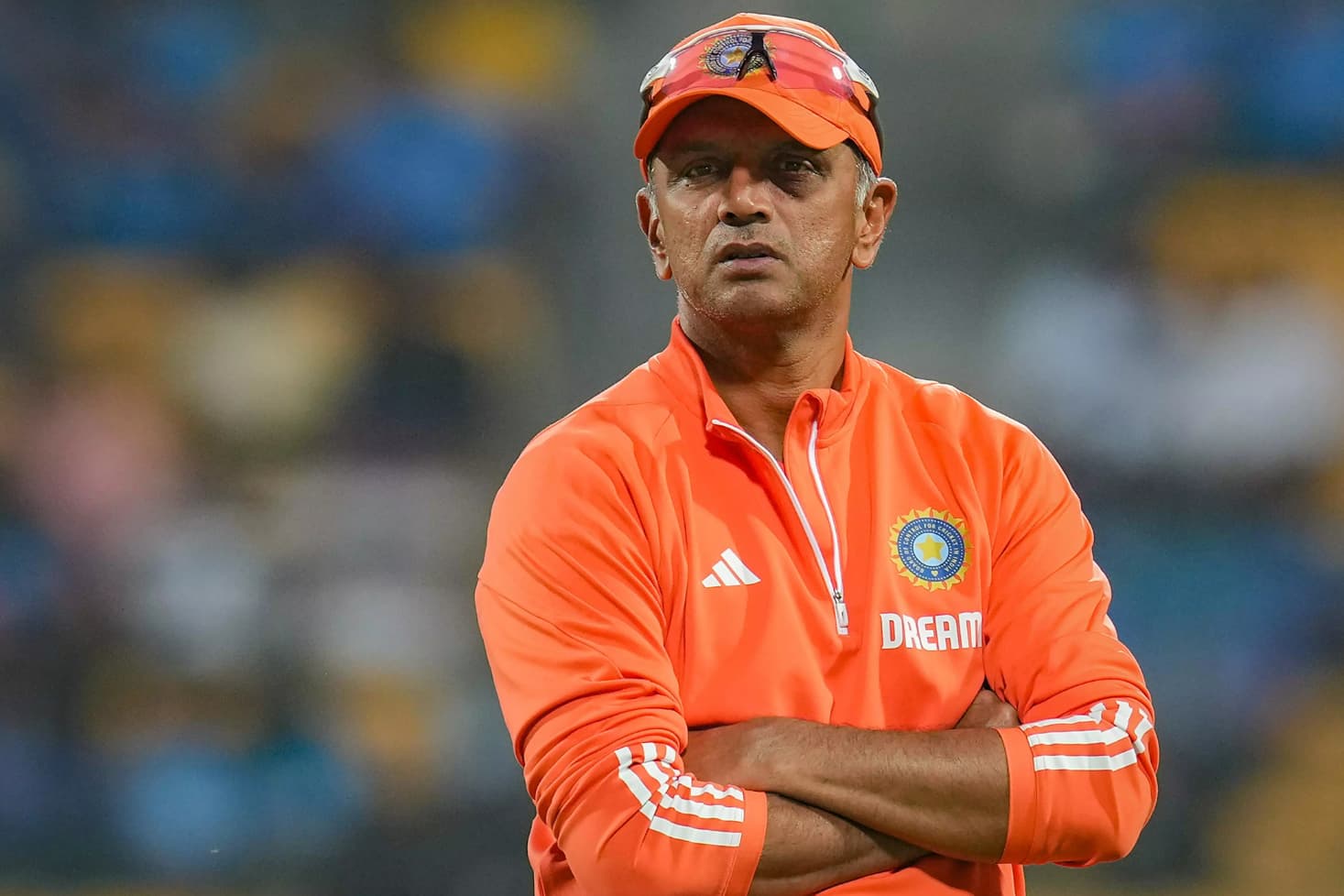
This comprehensive guide covers every individual who shaped the Indian dressing room from 1971 through 2025.
Did You Know? Who Saved Virat Kohli Career
All India National Cricket Team Coaches (1971–2025)
| No. | Name | Origin | Duration | Role | Expertise | Major Achievement |
|---|---|---|---|---|---|---|
| 1 | Keki Tarapore | India | 1971 | Team Manager | Tour Management | First Test series wins in West Indies and England (1971) |
| 2 | Hemu Adhikari | India | 1971–1974 | Team Manager | Youth Development | Mentored Sunil Gavaskar’s early career |
| 3 | Gulabrai Ramchand | India | 1975 | Team Manager | ODI Transition | Managed first World Cup campaign (1975) |
| 4 | Datta Gaekwad | India | 1978 | Team Manager | Crisis Management | Stabilized team during captaincy changes |
| 5 | Salim Durrani | India | 1980–1981 | Team Manager | Batting Development | Enhanced striking ability |
| 6 | Ashok Mankad | India | 1982 | Team Manager | ODI Preparation | Prepared team for 1983 World Cup |
| 7 | PR Man Singh | India | 1983–1987 | Team Manager | Team Unity | 1983 World Cup victory |
| 8 | Chandu Borde | India | 1988 | Team Manager | Composure Building | 1988 Asia Cup win |
| 9 | Bishan Singh Bedi | India | 1990–1991 | Team Manager | Discipline & Spin | Tour discipline improvement |
| 10 | Abbas Ali Baig | India | 1991–1992 | Coach | Youth Exposure | 1992 World Cup participation |
| 11 | Ajit Wadekar | India | 1992–1996 | Coach/Manager | Home Dominance | 14 consecutive home Test wins, 1996 WC semi-final |
| 12 | Sandeep Patil | India | 1996 | Coach | Fitness Standards | Elevated fitness culture |
| 13 | Madan Lal | India | 1996–1997 | Coach | Tournament Preparation | 1996 Titan Cup win |
| 14 | Anshuman Gaekwad | India | 1997–1999, 2000 | Coach | Talent Integration | 1998 Asia Cup, youth development |
| 15 | Kapil Dev | India | 1999–2000 | Coach | Leadership Transition | Brief controversial tenure |
| 16 | John Wright | New Zealand | 2000–2005 | Head Coach | Team Building | 2002 Champions Trophy (shared), 2003 WC final |
| 17 | Greg Chappell | Australia | 2005–2007 | Coach | Youth Promotion | Groomed MS Dhoni, aggressive approach |
| 18 | Ravi Shastri | India | 2007 | Interim Coach | Crisis Management | Post-WC stabilization |
| 19 | Lalchand Rajput | India | 2007–2008 | Team Manager | T20 Strategy | 2007 T20 World Cup win |
| 20 | Gary Kirsten | South Africa | 2008–2011 | Coach | Mental Conditioning | 2011 World Cup win, No.1 Test ranking |
| 21 | Duncan Fletcher | Zimbabwe | 2011–2015 | Coach | White-Ball Success | 2013 Champions Trophy |
| 22 | Ravi Shastri | India | 2014–2016 | Team Director | Aggressive Mindset | 2015 WC semi-final, 2016 T20 WC semi-final |
| 23 | Sanjay Bangar | India | 2016 | Interim Coach | Batting Techniques | Transitional role |
| 24 | Anil Kumble | India | 2016–2017 | Head Coach | Tactical Discipline | 19-match Test unbeaten streak, 2017 CT final |
| 25 | Sanjay Bangar | India | 2017 | Interim Coach | Squad Continuity | Post-Kumble transition |
| 26 | Ravi Shastri | India | 2017–2021 | Head Coach | Overseas Success | 2 Test series wins in Australia, 2021 WTC final |
| 27 | Rahul Dravid | India | 2021–2024 | Head Coach | Youth Integration | 2024 T20 World Cup, 2023 WC & WTC finals |
| 28 | VVS Laxman | India | 2024 | Interim Coach | Development Continuity | Temporary assignment |
| 29 | Gautam Gambhir | India | 2024–Present | Head Coach | Aggressive Tactics | 2025 Champions Trophy |
Did You Know? Harrdy Sandhu Cricket Career
Individual Coach Profiles (1971–2025)
1. Keki Tarapore (1971)
Keki Tarapore holds the distinction of being India’s first officially designated head coach, appointed in 1971.
Before this formal recognition, he had accompanied the team as manager on several crucial overseas assignments.
His background included 40 first-class matches and one Test appearance, giving him a practical understanding of top-level cricket’s demands.
Under Tarapore’s management, India achieved historic breakthroughs by winning Test series in both the West Indies and England during 1971.
These victories marked India’s emergence as a competitive touring side capable of challenging opponents in their home conditions.
His organizational skills and ability to manage logistics in challenging environments laid foundational standards for future team management.
| Category | Details |
|---|---|
| Role | Team Manager |
| Tenure | 1971 |
| Origin | India |
| ICC Trophies | None |
| Notable Achievements | Manager during India’s first-ever Test series wins in West Indies and England (1971) |
| Key Contributions | Established professional tour management standards |
| Legacy | Pioneered formal coaching structure in Indian cricket |
Expertise Paragraph: Tarapore excelled in tour management and logistics, ensuring players had optimal conditions to perform abroad. His meticulous planning helped Indian cricketers adjust to overseas environments, addressing everything from accommodation and practice facilities to travel schedules. This administrative excellence created the framework that allowed talented players to focus on cricket rather than logistical concerns.
2. Hemu Adhikari (1971–1974)
Hemu Adhikari took over coaching duties in 1971 and continued through 1974, overseeing one of Indian cricket’s most successful periods. His playing credentials included 21 Tests and 152 first-class matches, providing him deep understanding of the game’s technical and mental aspects. Adhikari’s tenure coincided with Sunil Gavaskar’s emergence as a batting legend.
The coach played instrumental roles in nurturing Gavaskar during his formative international years, helping the young opener develop the technique and temperament that would define his career. Adhikari’s mentorship extended beyond Gavaskar to other emerging talents, creating a supportive environment where young players could flourish. His calm demeanor and technical knowledge made him an ideal guide during this transitional period.
| Category | Details |
|---|---|
| Role | Team Manager |
| Tenure | 1971–1974 |
| Origin | India |
| ICC Trophies | None |
| Notable Achievements | Oversaw 1971 England series win, mentored young Sunil Gavaskar |
| Key Contributions | Youth development and technical refinement |
| Legacy | Laid foundation for India’s batting strength in 1970s |
Expertise Paragraph: Adhikari specialized in batting technique and youth development, possessing the patience and knowledge to refine raw talent into polished performers. His ability to identify technical flaws and provide corrective guidance helped young batsmen build solid foundations. The emphasis on proper technique over quick fixes created lasting benefits, with players developing skills that served them throughout their careers.
3. Gulabrai Ramchand (1975)
Gulabrai Ramchand brought distinguished playing credentials to coaching, having represented India in 33 Tests as an accomplished all-rounder. His captaincy experience proved invaluable, as he had led India to their maiden Test victory against Australia. This leadership background made him well-suited to guide the team during cricket’s format expansion.
Ramchand’s appointment coincided with the inaugural ODI World Cup in 1975, marking Indian cricket’s entry into limited-overs international cricket. As team manager, he helped players understand the different tactical approaches required for 60-over matches. Though India’s World Cup campaign was modest, Ramchand’s guidance helped the team take initial steps in adapting to this revolutionary format.
| Category | Details |
|---|---|
| Role | Team Manager |
| Tenure | 1975 |
| Origin | India |
| ICC Trophies | None |
| Notable Achievements | Tour manager during India’s first Cricket World Cup (1975) |
| Key Contributions | Introduced ODI cricket concepts to Indian team |
| Legacy | Bridged transition from Test-only to multi-format cricket |
Expertise Paragraph: Ramchand excelled in format transition management, helping Test specialists understand limited-overs cricket’s tactical nuances. His all-rounder background gave him unique perspective on balancing resources across formats. The strategic thinking he introduced—particularly regarding field placements, bowling rotations, and batting approaches for shorter formats—provided foundational concepts that Indian cricket would build upon in subsequent decades.
4. Datta Gaekwad (1978)
Datta Gaekwad assumed coaching responsibilities during 1978, a turbulent period marked by frequent captaincy changes and team instability. His playing career spanned 1952 to 1961, featuring 11 Test appearances and experience leading the national side. This leadership background proved essential during his brief but significant tenure.
Gaekwad’s calm personality and measured approach provided stability when the team desperately needed consistent guidance. His ability to maintain composure amid administrative turmoil helped players focus on cricket rather than political uncertainties. Though his tenure was short, Gaekwad’s steadying influence during challenging times demonstrated coaching’s importance beyond tactical instruction.
| Category | Details |
|---|---|
| Role | Team Manager |
| Tenure | 1978 |
| Origin | India |
| ICC Trophies | None |
| Notable Achievements | Oversaw India’s tour of Pakistan (1978) |
| Key Contributions | Provided stability during captaincy changes |
| Legacy | Demonstrated importance of calm leadership during crisis |
Expertise Paragraph: Gaekwad specialized in crisis management and maintaining team morale during administrative upheaval. His ability to shield players from external pressures created protected spaces where they could prepare properly. This skill in managing turbulent environments without letting chaos affect on-field performance became increasingly valuable as cricket’s administrative landscape grew more complex and politically charged.
5. Salim Durrani (1980–1981)
Salim Durrani brought match-winning all-rounder credentials to coaching, having played 29 Tests between 1960 and 1973. Born in Afghanistan, Durrani possessed unique perspective shaped by diverse experiences. His flamboyant batting style and aggressive approach made him one of India’s most exciting players during his era.
As coach during 1980-81, Durrani focused on enhancing players’ striking ability to match evolving cricket demands. His philosophy emphasized aggressive intent and boundary-hitting capability, recognizing that world cricket was moving toward more dynamic batting. Though his tenure was relatively short, Durrani’s emphasis on attacking cricket influenced subsequent coaching approaches.
| Category | Details |
|---|---|
| Role | Team Manager |
| Tenure | 1980–1981 |
| Origin | India (born Afghanistan) |
| ICC Trophies | None |
| Notable Achievements | Administrative role during transitional period |
| Key Contributions | Enhanced attacking batting mindset |
| Legacy | Promoted aggressive approach ahead of its time |
Expertise Paragraph: Durrani specialized in developing batting aggression and strike rotation, encouraging players to dominate bowling attacks rather than merely survive. His all-rounder experience helped him understand game situations requiring acceleration versus consolidation. The attacking mindset he promoted anticipated limited-overs cricket’s evolution toward higher scoring rates and boundary-hitting emphasis, making his forward-thinking approach ahead of its time.
6. Ashok Mankad (1982)
Ashok Mankad entered coaching four years after retiring from international cricket, bringing recent playing experience to his role. His career featured 22 Tests and one ODI between 1969 and 1978, providing contemporary understanding of modern cricket’s demands. Mankad’s appointment in 1982 proved particularly significant given its timing.
Though serving briefly, Mankad played crucial roles preparing India’s ODI squad for the 1983 World Cup. His work focusing players on limited-overs skills and tournament pressure helped create the foundation for India’s historic triumph. The emphasis on mental preparation and understanding tournament dynamics proved invaluable when Kapil Dev’s team defied odds to win the World Cup.
| Category | Details |
|---|---|
| Role | Team Manager |
| Tenure | 1982 |
| Origin | India |
| ICC Trophies | None |
| Notable Achievements | Managed team during tours before 1983 World Cup |
| Key Contributions | ODI preparation and tournament psychology |
| Legacy | Contributed to groundwork for 1983 World Cup success |
Expertise Paragraph: Mankad specialized in tournament preparation and ODI-specific skills, understanding how tournament cricket’s unique pressures differed from bilateral series. His focus on handling knockout scenarios, managing momentum shifts, and maintaining composure during critical moments helped players develop mental toughness. This psychological preparation complemented technical skills, creating well-rounded competitors capable of handling high-pressure situations.
7. PR Man Singh (1983–1987)
PR Man Singh occupies a special place in Indian cricket history as the manager during the miraculous 1983 World Cup victory. While Kapil Dev’s leadership and players’ performances rightfully receive credit, Man Singh’s management contributions were equally vital. His tenure extended from 1983 through 1987, spanning this golden period.
Man Singh’s ability to foster team unity and maintain positive environments proved crucial during the World Cup campaign. His management style emphasized collective responsibility and mutual support, creating cohesive units rather than collections of individuals. This team-first approach became hallmarks of successful Indian sides, with Man Singh’s influence extending well beyond his tenure.
| Category | Details |
|---|---|
| Role | Team Manager |
| Tenure | 1983–1987 |
| Origin | India |
| ICC Trophies | 1983 Cricket World Cup |
| Notable Achievements | Manager of 1983 World Cup-winning team, 1987 World Cup semi-final |
| Key Contributions | Built exceptional team unity and morale |
| Legacy | Part of India’s greatest ODI triumph, established team culture standards |
Expertise Paragraph: Man Singh excelled in team unity and morale management, understanding that psychological factors often determine tournament success. His ability to maintain belief even when India were massive underdogs in 1983 helped players exceed expectations. The emphasis on collective strength over individual brilliance created supportive environments where players performed beyond their apparent capabilities, demonstrating management’s profound impact on results.
8. Chandu Borde (1988)
Chandu Borde brought distinguished batting credentials and composed personality to coaching in 1988. His playing career featured 55 Tests between 1959 and 1968, establishing him as one of India’s finest middle-order batsmen. The calm approach that characterized his batting translated effectively into coaching philosophy.
During his brief tenure, India won the 1988 Asia Cup under Borde’s guidance. His emphasis on mental composure and tactical discipline helped the team perform consistently throughout the tournament. Beyond coaching, Borde later served as chief selector twice, demonstrating his continued commitment to Indian cricket and the respect he commanded within the system.
| Category | Details |
|---|---|
| Role | Team Manager |
| Tenure | 1988 |
| Origin | India |
| ICC Trophies | None |
| Notable Achievements | Oversaw 1988 Asia Cup victory |
| Key Contributions | Emphasized mental composure and tactical awareness |
| Legacy | Short but successful tenure, influenced multiple generations through various roles |
Expertise Paragraph: Borde specialized in composure building and tactical batting, helping players develop the mental strength to handle pressure situations. His middle-order experience taught him the importance of assessing match situations and constructing innings accordingly. This situational awareness became central to his coaching, with players learning to adapt approaches based on match contexts rather than playing predetermined styles regardless of circumstances.
9. Bishan Singh Bedi (1990–1991)
Bishan Singh Bedi brought legendary spin bowling credentials to coaching, having claimed 273 international wickets between 1966 and 1976. His artistry with the ball made him one of India’s finest slow bowlers and most respected cricket minds. Bedi’s uncompromising approach to cricket’s technical and ethical standards shaped his coaching philosophy.
As team manager during 1990-91, Bedi emphasized discipline and proper technique, refusing to compromise standards regardless of circumstances. His tours to New Zealand and England proved challenging, but Bedi maintained focus on building competitive teams through disciplined approaches. The standards he demanded laid groundwork for future success, even if immediate results were mixed.
| Category | Details |
|---|---|
| Role | Team Manager |
| Tenure | 1990–1991 |
| Origin | India |
| ICC Trophies | None |
| Notable Achievements | Known for discipline-driven management during tours of New Zealand and England |
| Key Contributions | Established high technical and behavioral standards |
| Legacy | Uncompromising approach to cricket excellence |
Expertise Paragraph: Bedi specialized in spin bowling strategy and overall technical discipline, drawing from his mastery of slow bowling’s subtle arts. His coaching emphasized proper technique over quick fixes, understanding that sustainable success required solid foundations. The discipline he demanded extended beyond technical skills to behavioral standards, creating professional environments where excellence was non-negotiable and mediocrity unacceptable.
10. Abbas Ali Baig (1991–1992)
Abbas Ali Baig entered coaching with impressive credentials, having become India’s youngest centurion on debut in an away Test. His ten-Test career demonstrated considerable talent, which he channeled into developing subsequent generations. Baig assumed coaching duties in 1991 and guided the team through the 1992 World Cup in Australia and New Zealand.
His coaching philosophy centered on youth development and providing extensive exposure to emerging talents. Baig understood that international experience was invaluable for player growth, emphasizing opportunities over immediate results. This forward-thinking approach recognized that short-term setbacks were acceptable prices for long-term development, creating pipelines of experienced players for future campaigns.
| Category | Details |
|---|---|
| Role | Coach |
| Tenure | 1991–1992 |
| Origin | India |
| ICC Trophies | None |
| Notable Achievements | Coached India during 1992 Cricket World Cup in Australia/New Zealand |
| Key Contributions | Youth exposure and experience building |
| Legacy | Prioritized player development over immediate results |
Expertise Paragraph: Baig specialized in youth exposure and talent identification, understanding that early international experience accelerated development curves. His willingness to trust young players in high-pressure situations helped them mature faster than traditional approaches. The emphasis on learning through doing rather than excessive preparation created players comfortable with international cricket’s demands, building confidence that served them throughout careers.
11. Ajit Wadekar (1992–1996)
Ajit Wadekar stands among Indian cricket’s most versatile figures, having served as player, captain, coach, and selector. His playing career spanned 1966 to 1974, highlighted by captaincy triumphs against England and West Indies. These leadership successes made him ideal candidate for coaching when appointed in 1992.
Wadekar’s tenure through 1996 featured remarkable consistency, particularly at home where India won 14 consecutive Tests. This dominance established India as fortress competitors on home soil, a legacy that continues today. His guidance also helped India reach the 1996 World Cup semi-finals, demonstrating competence across formats and situations.
| Category | Details |
|---|---|
| Role | Coach/Manager |
| Tenure | 1992–1996 |
| Origin | India |
| ICC Trophies | None |
| Notable Achievements | India won 14 consecutive Tests at home, managed to 1996 World Cup semi-finals |
| Key Contributions | Built home dominance and tournament competitiveness |
| Legacy | Established India’s fortress mentality at home |
Expertise Paragraph: Wadekar specialized in home advantage maximization and creating familiar conditions that favored Indian strengths. His strategic acumen involved preparing pitches and environments where Indian skills—particularly spin bowling—proved decisive. This tactical thinking extended to team selection and rotation policies that kept players fresh throughout demanding home seasons, creating sustained dominance rather than isolated successes.
12. Sandeep Patil (1996)
Sandeep Patil brought 1983 World Cup-winning credentials and explosive batting reputation to coaching. His playing career featured 29 Tests and 45 ODIs, characterized by aggressive middle-order batting that often changed match momentum. Patil’s fearless approach as player influenced his coaching philosophy when appointed in 1996.
His primary focus during brief tenure centered on elevating fitness standards to match international requirements. Patil recognized that physical conditioning was becoming increasingly important in modern cricket, pushing players toward professional fitness levels. Though his tenure was short, the fitness culture he emphasized gained momentum in subsequent years. Later, Patil successfully coached Kenya to the 2003 World Cup semi-finals, demonstrating his coaching abilities.
| Category | Details |
|---|---|
| Role | Coach |
| Tenure | 1996 |
| Origin | India |
| ICC Trophies | None |
| Notable Achievements | Short stint; prioritized fitness standards |
| Key Contributions | Began modernizing fitness culture |
| Legacy | Recognized importance of physical conditioning early |
Expertise Paragraph: Patil specialized in fitness culture development and aggressive mindset cultivation, understanding that physical conditioning increasingly separated elite performers from merely talented ones. His emphasis on strength training, endurance building, and professional nutrition habits anticipated cricket’s evolution toward athletic excellence. The aggressive mental approach he promoted encouraged players to dominate rather than merely compete, fostering winning mentalities.
13. Madan Lal (1996–1997)
Madan Lal joined coaching ranks after distinguished all-rounder career that included pivotal roles in India’s 1983 World Cup triumph. His playing days extended through 1987, providing recent understanding of modern cricket when he became coach in 1996. Though his coaching tenure lasted only briefly, Madan Lal made meaningful contributions.
Under his guidance, India won the Titan Cup in 1996, demonstrating his ability to prepare teams for tournament competitions. Madan Lal’s all-rounder background helped him understand match situations from multiple perspectives, providing balanced guidance covering batting, bowling, and fielding requirements. His World Cup-winning experience also brought valuable insights into handling pressure situations.
| Category | Details |
|---|---|
| Role | Coach |
| Tenure | 1996–1997 |
| Origin | India |
| ICC Trophies | None |
| Notable Achievements | Guided India to 1996 Titan Cup victory |
| Key Contributions | Tournament preparation and all-round balance |
| Legacy | Transitional figure maintaining stability |
Expertise Paragraph: Madan Lal specialized in tournament preparation and all-round team balance, drawing from his World Cup success and all-rounder perspective. His understanding of how different match phases required varied approaches helped players adapt strategies within games. The emphasis on maintaining balanced attacks and flexible batting orders created tactical versatility, allowing teams to adjust plans based on evolving match situations.
14. Anshuman Gaekwad (1997–1999, 2000)
Anshuman Gaekwad served two separate stints as head coach, first from 1997-99 and again briefly in 2000. His playing credentials included 40 Tests and 15 ODIs between 1974 and 1987, primarily as an opening batsman known for resilience and determination. These qualities influenced his coaching approach.
During his tenures, India won the 1998 Asia Cup and reached the 2000 Champions Trophy final, demonstrating competence in limited-overs formats. Gaekwad’s most significant contribution involved youth integration, helping young talents like Yuvraj Singh and Zaheer Khan transition into international cricket. His ability to identify and nurture emerging players created depth that benefited Indian cricket for years.
| Category | Details |
|---|---|
| Role | Coach |
| Tenure | 1997–1999, 2000 |
| Origin | India |
| ICC Trophies | None |
| Notable Achievements | India reached 2000 Champions Trophy final, won 1998 Asia Cup |
| Key Contributions | Integrated young talents like Yuvraj Singh and Zaheer Khan |
| Legacy | Built pipeline of future stars |
Expertise Paragraph: Gaekwad specialized in youth integration and talent pipeline development, understanding that sustainable success required continuous infusion of new players. His opener background taught him the importance of solid foundations and patience, qualities he instilled in young players. The trust he showed emerging talents, giving them opportunities in important matches rather than protecting them, accelerated their development and created confident performers.
15. Kapil Dev (1999–2000)
Kapil Dev brought unparalleled credentials as India’s greatest all-rounder and 1983 World Cup-winning captain. His appointment as coach in 1999 generated enormous excitement, as fans expected his leadership magic to translate into coaching success. Unfortunately, his tenure proved disappointing and controversial.
Despite legendary playing career, Kapil struggled adapting to coaching’s different demands. His stint ended abruptly in 2000 following a spot-fixing controversy that cast shadows over Indian cricket, though Kapil himself was later cleared of wrongdoing. The experience demonstrated that playing greatness doesn’t automatically translate to coaching success, requiring different skill sets and approaches.
| Category | Details |
|---|---|
| Role | Coach |
| Tenure | 1999–2000 |
| Origin | India |
| ICC Trophies | None |
| Notable Achievements | Short stint ended amid controversy |
| Key Contributions | Limited due to brief, troubled tenure |
| Legacy | Demonstrated playing success doesn’t guarantee coaching success |
Expertise Paragraph: Kapil’s coaching focused on leadership transition and maintaining competitive standards, though his tenure proved too brief for meaningful impact. His all-rounder experience provided balanced perspective, but adapting legendary playing abilities into teachable methods proved challenging. The difficulty many great players face when coaching—expecting others to perform at levels they achieved through exceptional talent—became evident during this period.
16. John Wright (2000–2005)
John Wright made history as India’s first foreign head coach, appointed in 2000. The former New Zealand opener brought fresh perspectives and international experience that proved transformative. Wright’s tenure coincided with Sourav Ganguly’s captaincy, creating a partnership that rebuilt Indian cricket’s confidence and competitiveness.
Under Wright’s guidance, India achieved remarkable successes including the shared 2002 Champions Trophy, reaching the 2003 World Cup final, and historic Test series victories in Pakistan. His relationship with senior players, particularly Ganguly, Sachin Tendulkar, Rahul Dravid, and VVS Laxman, fostered environments where India’s batting legends flourished. Wright’s calm demeanor and strategic thinking helped India transform into formidable competitors worldwide.
| Category | Details |
|---|---|
| Role | Head Coach (first foreign coach of India) |
| Tenure | 2000–2005 |
| Origin | New Zealand |
| ICC Trophies | 2002 ICC Champions Trophy (shared with Sri Lanka) |
| Notable Achievements | Reached 2003 World Cup Final, won Test series in Pakistan (2004, first ever) |
| Key Contributions | Built fearless, competitive team culture |
| Legacy | Transformed India into overseas winners, set modern coaching standards |
Expertise Paragraph: Wright specialized in building team confidence and mental resilience, helping Indian players believe they could win anywhere against anyone. His man-management skills proved exceptional, understanding when to push players and when to support them. The psychological transformation he facilitated—moving from talented but mentally fragile teams to fearless competitors—represented his greatest contribution, creating belief systems that persisted long after his departure.
17. Greg Chappell (2005–2007)
Greg Chappell arrived with impressive credentials as one of Australia’s batting legends and successful state coach. His appointment in 2005 generated expectations of continued success following Wright’s transformative tenure. However, Chappell’s coaching philosophy created significant controversies and conflicts with senior players.
Despite tensions, Chappell made meaningful contributions, particularly promoting young talents like MS Dhoni, Suresh Raina, and Rohit Sharma. His emphasis on fitness, fielding, and aggressive approaches anticipated modern cricket’s evolution. India won a Test series in the West Indies and achieved record-breaking ODI chase sequences. However, the disastrous 2007 World Cup group-stage exit ended his controversial tenure.
| Category | Details |
|---|---|
| Role | Coach |
| Tenure | 2005–2007 |
| Origin | Australia |
| ICC Trophies | None |
| Notable Achievements | Guided India to Test series win in West Indies (2006), record 17 consecutive successful ODI chases |
| Key Contributions | Promoted youth, emphasized fitness and fielding |
| Legacy | Controversial tenure that groomed future stars but alienated seniors |
Expertise Paragraph: Chappell specialized in youth development and modern training methods, bringing Australian cricket’s professional standards to India. His emphasis on data analysis, video reviews, and scientific training represented forward-thinking approaches that later became standard. However, his communication style and relationship management proved problematic, demonstrating that technical knowledge alone cannot ensure coaching success without interpersonal skills matching tactical expertise.
18. Ravi Shastri (Interim 2007)
Ravi Shastri first entered coaching following Greg Chappell’s controversial exit after the 2007 World Cup disaster. The former all-rounder’s interim appointment aimed to stabilize the team during crisis period. Shastri brought playing credentials including 80 Tests and 150 ODIs, along with charismatic personality that resonated with players.
His brief 2007 stint involved managing tours while BCCI searched for permanent solutions. Though short, this period introduced Shastri’s coaching style—emphasizing player confidence, aggressive intent, and backing talent. These philosophies would become more evident during his later, longer coaching tenures. The interim role demonstrated his capability to manage difficult transitions effectively.
| Category | Details |
|---|---|
| Role | Interim Coach |
| Tenure | 2007 |
| Origin | India |
| ICC Trophies | None |
| Notable Achievements | Interim coach during Bangladesh tour post-2007 World Cup exit |
| Key Contributions | Crisis stabilization and player confidence restoration |
| Legacy | First of three coaching stints, demonstrated crisis management ability |
Expertise Paragraph: Shastri specialized in player confidence building and aggressive mindset cultivation, understanding that psychology often determined performance outcomes. His charismatic communication style connected with players, making them believe in their abilities even after devastating setbacks. The emphasis on attacking cricket and backing players through difficult periods created supportive environments where talents could recover confidence and perform without fear of failure.
19. Lalchand Rajput (2007–2008)
Lalchand Rajput occupies unique place in Indian cricket history as the manager during the inaugural T20 World Cup victory in 2007. This triumph, led by young captain MS Dhoni, marked India’s entry into T20 cricket with immediate success. Rajput’s management during this transformative tournament proved instrumental.
His approach emphasized youth development and opportunity provision, trusting young talents in high-pressure situations. The 2007 T20 World Cup victory sparked India’s T20 revolution, with Rajput’s role often underappreciated. His brief tenure demonstrated effective tournament management and ability to create environments where young players could flourish without excessive pressure or expectations.
| Category | Details |
|---|---|
| Role | Team Manager |
| Tenure | 2007–2008 |
| Origin | India |
| ICC Trophies | 2007 ICC World Twenty20 |
| Notable Achievements | Oversaw India’s victory in inaugural T20 World Cup under MS Dhoni’s captaincy |
| Key Contributions | Launched India’s T20 success, youth management |
| Legacy | Part of historic T20 World Cup win, shaped shortest format approach |
Expertise Paragraph: Rajput specialized in T20 strategy and youth empowerment, understanding the shortest format’s unique tactical requirements. His management style allowed young players freedom to express themselves without rigid structures constraining creativity. The trust he showed emerging talents, combined with tactical flexibility that embraced calculated risks, created environments conducive to the aggressive, innovative cricket T20 demands, establishing templates for India’s subsequent T20 success.
20. Gary Kirsten (2008–2011)
Gary Kirsten stands among India National Cricket Team Coaches’ most celebrated figures, transforming the side into world champions. The former South African opener brought calm professionalism and player-centric approaches when appointed in 2008. His tenure coincided with MS Dhoni’s captaincy across formats, creating highly successful partnerships.
Kirsten’s crowning achievement came with the 2011 World Cup victory on home soil, fulfilling a 28-year wait since 1983. Under his guidance, India also achieved the No.1 Test ranking in 2009, dominating home conditions while remaining competitive abroad. His relationship-building skills and tactical acumen created harmonious dressing rooms where senior players thrived and young talents developed. The psychological preparation and mental conditioning Kirsten emphasized proved crucial in pressure situations.
| Category | Details |
|---|---|
| Role | Head Coach |
| Tenure | 2008–2011 |
| Origin | South Africa |
| ICC Trophies | 2011 Cricket World Cup |
| Notable Achievements | Took India to No.1 Test ranking (2009), oversaw 2011 World Cup win on home soil |
| Key Contributions | Mental conditioning, player relationships, tournament preparation |
| Legacy | One of India’s most successful coaches, World Cup hero |
Expertise Paragraph: Kirsten specialized in mental conditioning and creating psychologically secure environments where players performed without fear. His background as opening batsman taught him importance of mental strength and preparation, which he systematically instilled across the squad. The emphasis on process over results, combined with meticulous tournament planning and individual player management, created teams that peaked during crucial moments rather than burning out prematurely.
21. Duncan Fletcher (2011–2015)
Duncan Fletcher took over the challenging task of coaching India after their 2011 World Cup triumph, when maintaining motivation proved difficult. The Zimbabwean coach brought extensive experience, having successfully coached England to Ashes victories and world rankings. His appointment in 2011 aimed to sustain India’s white-ball dominance while improving overseas Test performances.
Fletcher delivered the 2013 Champions Trophy, where India remained unbeaten throughout the tournament. His tactical planning and strategic thinking proved exceptional in limited-overs formats. However, Test performances overseas remained disappointing, with India struggling in challenging conditions. Despite mixed results, Fletcher helped India reach the 2015 World Cup semi-finals and maintained competitiveness in white-ball cricket.
| Category | Details |
|---|---|
| Role | Coach |
| Tenure | 2011–2015 |
| Origin | Zimbabwe |
| ICC Trophies | 2013 ICC Champions Trophy |
| Notable Achievements | India unbeaten in 2013 Champions Trophy, semi-finals of 2015 World Cup and 2014 T20 World Cup |
| Key Contributions | White-ball tactical excellence, tournament strategy |
| Legacy | Champions Trophy success, maintained post-World Cup standards |
Expertise Paragraph: Fletcher specialized in white-ball tactics and tournament strategies, understanding limited-overs cricket’s tactical nuances better than most coaches. His analytical approach involved detailed opposition research and matchup-based planning that maximized India’s strengths while exploiting opponents’ weaknesses. The systematic tournament preparation—including simulation practices and psychological conditioning for knockout scenarios—created teams well-prepared for high-pressure matches that defined ICC events.
22. Ravi Shastri (Team Director 2014–2016)
Ravi Shastri returned for his second coaching stint as Team Director between 2014 and 2016, working alongside captain MS Dhoni and emerging leader Virat Kohli. This transitional period saw leadership shifts as Kohli gradually assumed captaincy responsibilities across formats. Shastri’s aggressive coaching philosophy aligned perfectly with Kohli’s intensity.
Under Shastri’s direction, India reached the 2015 World Cup semi-finals and 2016 T20 World Cup semi-finals, maintaining tournament competitiveness. His emphasis on fitness, fielding, and aggressive cricket set foundations for transformation into world-beating Test side. The director role suited Shastri’s personality, allowing him to shape team culture while handling strategic planning.
| Category | Details |
|---|---|
| Role | Team Director |
| Tenure | 2014–2016 |
| Origin | India |
| ICC Trophies | None |
| Notable Achievements | India reached 2015 World Cup semi-finals, semi-finals of 2016 T20 World Cup |
| Key Contributions | Leadership transition management, aggressive culture building |
| Legacy | Prepared groundwork for Kohli-era Test dominance |
Expertise Paragraph: Shastri specialized in aggressive mindset cultivation and leadership transition management, helping Virat Kohli develop into world-class captain while maintaining team stability. His emphasis on fearless cricket and attacking approaches transformed India’s overseas mentality from survival to conquest. The fitness standards and professional behaviors he demanded created foundations for Test success that materialized fully during his subsequent tenure as head coach.
23. Sanjay Bangar (Interim 2016)
Sanjay Bangar served as interim head coach during 2016 while BCCI searched for permanent appointments. He had already been working as batting coach since 2014 under various coaching regimes, providing continuity and familiarity with players. His playing career featured 12 Tests and 15 ODIs as all-rounder between 2001 and 2004.
Bangar’s interim stint demonstrated his capability to manage teams during transitional periods. His batting expertise and understanding of Indian conditions made him valuable asset within coaching setups. Though his interim role was brief, Bangar continued contributing as batting coach through subsequent regimes, demonstrating his technical knowledge and player relationships.
| Category | Details |
|---|---|
| Role | Interim Coach |
| Tenure | 2016 |
| Origin | India |
| ICC Trophies | None |
| Notable Achievements | Interim role, no major ICC events |
| Key Contributions | Squad continuity during coaching transition |
| Legacy | Reliable interim option, long-serving batting coach |
Expertise Paragraph: Bangar specialized in batting technique refinement and technical problem-solving, particularly for Test cricket’s demands. His all-rounder background provided balanced perspective on game situations and batting partnerships. The methodical approach to technique correction, combined with data-driven analysis of opposition bowlers and conditions, helped batsmen prepare comprehensively for varied challenges across formats and conditions.
24. Anil Kumble (2016–2017)
Anil Kumble brought legendary credentials as India’s highest wicket-taker and tactical genius when appointed head coach in 2016. His playing career featured 619 Test wickets and 337 ODI wickets, achieved through relentless accuracy and innovative thinking. Expectations were enormous given his status as cricketing icon.
Kumble’s brief tenure achieved remarkable success, including a 19-match unbeaten Test streak and reaching the 2017 Champions Trophy final. His tactical discipline and strategic planning created dominant home performances while remaining competitive abroad. However, reported differences with captain Virat Kohli led to his resignation after just one year, ending a promising coaching career prematurely despite impressive results.
| Category | Details |
|---|---|
| Role | Head Coach |
| Tenure | 2016–2017 |
| Origin | India |
| ICC Trophies | None |
| Notable Achievements | Oversaw 19-match unbeaten Test streak, reached 2017 Champions Trophy final |
| Key Contributions | Tactical excellence, Test dominance, No.1 ranking |
| Legacy | Short but successful tenure, unfortunate end despite results |
Expertise Paragraph: Kumble specialized in tactical discipline and strategic planning, bringing methodical approaches developed during his playing career to coaching. His understanding of bowling strategies, field placements, and match situations proved exceptional, helping India dominate Test cricket particularly at home. The emphasis on preparation and attention to detail created teams that rarely made tactical errors, executing plans with precision that reflected Kumble’s own legendary career standards.
25. Sanjay Bangar (Interim 2017)
Sanjay Bangar returned to interim head coach duties following Anil Kumble’s resignation in 2017. This second interim stint involved managing India’s tour of the West Indies while BCCI finalized coaching appointments. His familiarity with players and ongoing role as batting coach made him logical choice for maintaining continuity during transitions.
Bangar’s repeated interim appointments demonstrated the trust players and administrators placed in him. His ability to step into head coach roles without disrupting team dynamics proved valuable during uncertain periods. Though these stints were brief, they showcased his versatility and reliability within Indian cricket’s coaching structure.
| Category | Details |
|---|---|
| Role | Interim Coach |
| Tenure | 2017 |
| Origin | India |
| ICC Trophies | None |
| Notable Achievements | Interim stint post-Kumble resignation |
| Key Contributions | Maintained stability during coaching transition |
| Legacy | Trusted interim figure during coaching uncertainties |
Expertise Paragraph: Bangar specialized in maintaining squad continuity and ensuring transitions didn’t disrupt preparation or performance. His existing relationships as batting coach allowed seamless assumption of additional head coach responsibilities without creating power vacuums or confusion. The ability to manage short-term responsibilities while maintaining long-term strategic continuity proved invaluable during periods when coaching positions remained unfilled.
26. Ravi Shastri (2017–2021)
Ravi Shastri’s third and longest coaching stint from 2017 to 2021 produced India’s greatest overseas Test achievements. His partnership with captain Virat Kohli created aggressive, fitness-focused teams that conquered traditionally challenging destinations. The back-to-back Test series victories in Australia (2018-19 and 2020-21) represented historic milestones.
Under Shastri, India achieved No.1 Test ranking and reached the World Test Championship final in 2021. The 2019 World Cup semi-final and consistent away performances marked this period. His coaching emphasized fearless cricket, backing players through poor form, and maintaining belief even in difficult situations. Though the 2021 T20 World Cup group-stage exit ended his tenure disappointingly, Shastri’s overall impact proved transformative.
| Category | Details |
|---|---|
| Role | Head Coach |
| Tenure | 2017–2021 |
| Origin | India |
| ICC Trophies | None |
| Notable Achievements | Test series wins in Australia (2018–19, 2020–21), India became No.1 ranked Test side, 2021 WTC final |
| Key Contributions | Overseas Test success, aggressive culture, fitness standards |
| Legacy | Transformed India into overseas winners, historic Australian victories |
Expertise Paragraph: Shastri specialized in creating aggressive winning cultures and mental toughness for overseas challenges. His coaching philosophy emphasized confronting rather than avoiding difficult situations, backing players to rise to challenges rather than protecting them. The fitness revolution he championed—making India one of cricket’s fittest teams—provided physical foundations for sustained excellence across formats and challenging overseas conditions that previously proved insurmountable.
27. Rahul Dravid (2021–2024)
Rahul Dravid brought “The Wall’s” calm authority and systematic approach to coaching when appointed in 2021. His prior success coaching India U19 to World Cup finals in 2016 and victory in 2018 demonstrated his developmental abilities. Dravid’s coaching philosophy emphasized process, preparation, and player welfare over short-term results.
His tenure reached culmination with the 2024 T20 World Cup victory, ending an 11-year ICC trophy drought. India also reached finals of the 2023 World Test Championship and ODI World Cup, demonstrating consistent competitiveness across formats. Dravid’s youth integration skills helped emerging talents transition seamlessly into senior cricket, creating depth that sustained India’s competitiveness despite retirements of senior players.
| Category | Details |
|---|---|
| Role | Head Coach |
| Tenure | 2021–2024 |
| Origin | India |
| ICC Trophies | 2024 T20 World Cup |
| Notable Achievements | Groomed youth into world-class performers, 2023 WTC final, 2023 ODI World Cup final |
| Key Contributions | Youth development, process emphasis, T20 World Cup triumph |
| Legacy | Ended ICC trophy drought, built sustainable talent pipeline |
Expertise Paragraph: Dravid specialized in youth integration and process-oriented development, understanding that sustainable success required systematic talent pipelines rather than dependence on established stars. His methodical approach to player development—emphasizing technique refinement, mental preparation, and gradual exposure to pressure—created confident performers capable of handling international cricket’s demands. The emphasis on team culture and player welfare created supportive environments where talents flourished without destructive pressure.
28. VVS Laxman (Interim 2024)
VVS Laxman served as interim coach during brief periods in 2024 when Rahul Dravid was unavailable. Laxman had been heading India’s National Cricket Academy, working extensively with emerging talents and India A teams. His playing credentials included legendary innings and crucial partnerships that defined Indian cricket’s competitive spirit.
As interim coach, Laxman maintained continuity with Dravid’s philosophies while bringing his own tactical insights. His NCA role made him intimately familiar with emerging players, facilitating smooth integration when young talents entered senior setups. Though his interim stints were brief, Laxman demonstrated coaching capabilities that could lead to permanent roles in future.
| Category | Details |
|---|---|
| Role | Interim Coach |
| Tenure | 2024 |
| Origin | India |
| ICC Trophies | None |
| Notable Achievements | Temporary assignment during Dravid’s unavailability |
| Key Contributions | Development continuity from NCA to senior team |
| Legacy | Seamless interim management, youth development expertise |
Expertise Paragraph: Laxman specialized in development continuity and youth transition management, leveraging his NCA position to understand emerging talents deeply before they reached senior cricket. His ability to maintain philosophical consistency with head coach approaches while adding tactical insights proved valuable. The emphasis on mental resilience and building partnerships—hallmarks of his playing career—translated effectively into coaching, helping young players handle international cricket’s mental challenges.
29. Gautam Gambhir (2024–Present)
Gautam Gambhir assumed head coaching duties in 2024 after gaining recognition as mentor for Kolkata Knight Riders’ IPL 2024 victory. His playing career featured memorable performances in ICC finals, including crucial knocks in the 2007 T20 World Cup and 2011 ODI World Cup finals. Gambhir’s aggressive personality and tactical sharpness defined his approach.
His coaching tenure began with India winning the 2025 ICC Champions Trophy, immediately justifying his appointment. However, Test results proved challenging, with significant losses in home series against New Zealand and away in Australia and England. Gambhir’s aggressive tactics and fearless approach resonated better in white-ball cricket, where his strategic thinking produced positive results. His tenure continues with focus on balancing aggressive philosophies across formats.
| Category | Details |
|---|---|
| Role | Head Coach |
| Tenure | 2024–Present |
| Origin | India |
| ICC Trophies | 2025 ICC Champions Trophy |
| Notable Achievements | 2025 ICC Champions Trophy win, aggressive white-ball tactics |
| Key Contributions | Tactical sharpness, aggressive mindset, white-ball success |
| Legacy | Currently building, Champions Trophy success offset by Test struggles |
Expertise Paragraph: Gambhir specializes in aggressive tactics and white-ball strategic thinking, bringing IPL-honed approaches to international cricket. His emphasis on fearless cricket and tactical experimentation creates dynamic teams willing to take calculated risks. The strategic sharpness developed through T20 cricket—involving matchup awareness, batting order flexibility, and innovative field placements—translates effectively into ODI and T20I formats, though Test cricket’s different demands require adapted approaches still being refined.
Also Check: India National Cricket Team Coaches and Coaching Staff 2025
Salary & Coaching System
The coaching structure within Indian cricket has evolved dramatically from the simple manager-coach model of the 1970s to today’s comprehensive support staff systems.
Modern India National Cricket Team Coaches earn substantial salaries reflecting their responsibilities and BCCI’s financial strength.
Current head coaches reportedly earn between $1-2 million annually, among cricket’s highest coaching salaries globally.
These figures don’t include performance bonuses, which can significantly increase total earnings following ICC trophy victories or ranking achievements.
Beyond the head coach, today’s coaching setup includes specialized positions addressing every aspect of player development and performance.
The Indian cricket team’s batting coach focuses specifically on technical refinement, opposition analysis, and individual player development in batting.
Similarly, the Bowling coach of the Indian cricket team manages pace and spin bowling resources, develops strategies, and maintains bowler fitness.
Additional support staff includes fielding coaches, strength and conditioning trainers, physiotherapists, team analysts, mental conditioning coaches, and administrative personnel, creating comprehensive ecosystems supporting player performance across all dimensions.
Conclusion
The journey of the India National Cricket Team Coaches from 1971 through 2025 reflects Indian cricket’s transformation from emerging competitor to global powerhouse.
Each coach contributed unique philosophies and expertise, building upon predecessors’ foundations while adapting to cricket’s evolving demands.
From Keki Tarapore’s pioneering management to Gautam Gambhir’s aggressive modern approach, coaching has shaped every significant achievement in Indian cricket history.
The diversity of coaching approaches—foreign expertise bringing fresh perspectives, legendary Indian players returning to guide new generations, and specialized coaches addressing specific skill areas – demonstrates cricket’s complexity and the importance of continuous learning.
As Indian cricket continues to evolve, the role of coaches will only grow more crucial, requiring individuals who combine tactical knowledge, psychological insight, management skills, and adaptability to guide teams through increasingly competitive international cricket landscapes.
About the Author
