If you’re new to cricket, one of the first things that might confuse you is the term “innings.”
You hear commentators say things like “India’s first innings” or “England needs 250 runs in their innings,” and you wonder—wait, how does this actually work?
Understanding how many innings in cricket depends entirely on which format you’re watching.
Test matches work differently from ODIs. T20 games follow their own rules.
And tournaments like the World Cup or IPL have their own structures that keep fans on the edge of their seats.
Here’s the simple truth: innings are the foundation of cricket. They decide who bats when, how long they bat, and ultimately who wins.
Whether you’re watching the IPL on a Friday night or the Cricket World Cup final, understanding innings makes the game infinitely more enjoyable.
How Many Innings in Cricket?
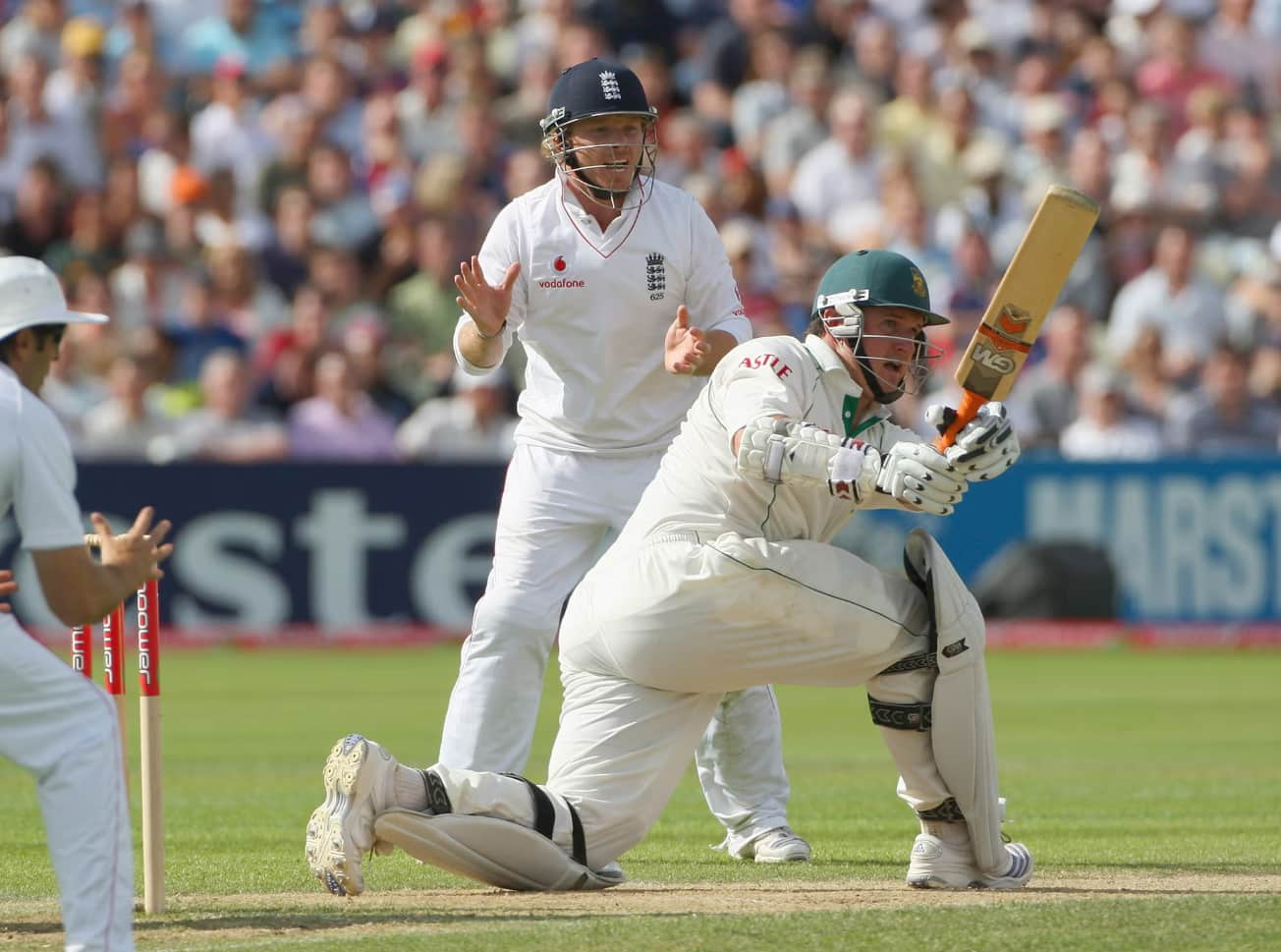
This guide breaks down everything you need to know about innings in cricket—what they are, how they work across different formats, and the special situations that make cricket such a fascinating sport. Let’s dive in.
What Does “Innings” Actually Mean?
In cricket, an innings is simply the period when a team bats. Sounds straightforward, right? But there’s a twist—innings refers to both the team’s batting turn and each player’s time at the crease.
Team Innings
When we talk about a team’s innings, we mean the entire period when that team is batting. It starts when the first two batters walk onto the field and ends when:
- 10 batters are dismissed (one always remains not out)
- The team completes their allotted overs (50 in ODIs, 20 in T20s)
- The captain declares (only in Test matches)
Individual Innings
Each batter also has their own innings within the team innings.
Their personal innings begin when they come to bat and end when they’re dismissed—whether bowled, caught, run out, or any other form of dismissal.
Here’s something interesting: in Test cricket, if a batter remains not out at the end of their team’s innings, their personal innings continues when the team bats again.
So technically, they’re still in the same individual innings even though the team has started a new innings.
The First and Second Innings Explained
You’ll often hear terms like “first innings” and “second innings” during matches. Let’s clear up what these mean.
1st Innings Meaning in Cricket
The first innings is simply the first time a team bats in a match. In Test cricket, both teams get a first innings before moving to the second innings.
In limited-overs cricket (ODIs and T20s), the team batting first completes its entire innings, and then the second team chases.
What is 2nd Innings in Cricket?
The second innings refers to:
- In Test matches: When both teams bat for the second time
- In ODIs/T20s: When the chasing team bats (this is their only innings, but it’s called the “second innings” because it happens second in the match timeline)
The second innings often decides the match outcome, especially in limited-overs cricket, where the chasing team knows exactly how many runs they need.
How Many Innings in Different Cricket Formats?
Now, let’s break down how many innings in cricket are based on the format you’re watching.
Test Cricket: 4 Innings Total
Test matches are cricket’s longest format, played over five days. Here’s how innings work:
- Total innings: 4 (two per team)
- Each team bats twice
- No over limit—teams bat until 10 players are out or the captain declares
- The match can end in a draw if all innings aren’t completed
Test cricket’s multiple innings create fascinating strategic battles. Teams must balance scoring quickly with batting for long periods to tire out opponents.
One Day Internationals (ODIs): 2 Innings Total
How many innings are in a cricket ODI? Each team gets one innings of 50 overs maximum.
- Total innings: 2 (one per team)
- Maximum 50 overs (300 balls) per innings
- The team batting first sets a target
- Team batting second chases that target
The 50-over format creates perfect balance—enough time for batters to build innings but also pressure to score quickly.
Twenty20 (T20) Cricket: 2 Innings Total
How many innings are in a cricket T20? Like ODIs, each team gets one innings, but much shorter.
- Total innings: 2 (one per team)
- Maximum 20 overs (120 balls) per innings
- Fast-paced, high-scoring format
- Every ball matters strategically
T20 cricket revolutionized the game by making it accessible to fans who want quick, exciting action without investing a full day.
Cricket World Cup: Depends on Format
How many innings are in the cricket World Cup? This depends on whether it’s the ODI World Cup or the T20 World Cup.
- ODI World Cup: 2 innings (50 overs each)
- T20 World Cup: 2 innings (20 overs each)
World Cup matches follow the same innings structure as regular ODI or T20 games, just with higher stakes and more pressure.
Cricket in India and the IPL
India is cricket’s spiritual home, and understanding innings is crucial for enjoying the sport here.
How Many Innings in Cricket in India
Cricket in India follows international standards, so how many of innings in cricket in India depends on the format:
- Test matches: 4 innings (India vs visiting team, both bat twice)
- ODIs: 2 innings (one per team)
- T20s: 2 innings (one per team)
How Many Innings in Cricket IPL
The Indian Premier League (IPL) is pure T20 cricket, so how many innings in cricket ipl is always 2—one for each team.
- Each team bats for a maximum of 20 overs
- The team batting first sets a target
- Team batting second chases
- Matches finish in about 3-4 hours
IPL’s one-innings-per-team format creates non-stop action. There’s no second chance—teams must get it right the first time or lose.
How Many Balls are in an inning?
Understanding overs helps clarify 1 innings means how many balls.
Cricket’s Over System:
- 1 over = 6 legal deliveries (balls)
- Extras (wides, no-balls) don’t count toward the six
Ball Count by Format:
- Test Cricket: No limit—an innings can have 500+ balls if batters survive
- ODI Cricket: Maximum 300 balls (50 overs × 6 balls)
- T20 Cricket: Maximum 120 balls (20 overs × 6 balls)
So when someone asks 1 innings means how many balls, the answer depends entirely on the format. ODI innings have 300 balls maximum, T20 innings have 120 balls maximum, and Test innings have no limit.
When Does an Innings End?
Whether you’re watching Tests, ODIs, or T20s, innings end under specific conditions.
An innings ends when:
- 10 Batters Are Out – One batter always remains not out (you need two batters on the field to continue)
- Overs Complete – In limited-overs cricket, when the allotted overs finish
- Captain Declares – Only in Test cricket, when the captain decides their team has scored enough
Format-Specific Examples:
- ODI: If a team is bowled out in 40 overs, their innings ends even though they had 50 overs available
- T20: If a team chases down the target in 15 overs, the match ends—they don’t bat the full 20 overs
- Test: If the captain declares at 400/5, the innings ends even though only 5 batters are out
Special Innings Situations
Cricket has fascinating rules that affect how innings play out.
- Follow-On (Test Cricket Only)
If one team scores significantly more runs in their first innings (usually a 200+ run lead), they can force the other team to bat again immediately.
This is called enforcing the follow-on. The trailing team bats for their second innings without the leading team batting their second innings first.
- Rain Interruptions and DLS Method
Bad weather can disrupt innings, especially in limited-overs cricket. When rain reduces overs, the Duckworth-Lewis-Stern (DLS) method recalculates targets to keep the match fair. This can dramatically change how many runs a team needs in their innings.
- Retired Hurt
If a batter gets injured and can’t continue, they’re marked “retired hurt.” If they return later, their individual innings continue. If they can’t return, their innings end without being officially “out.”
Amazing Innings Records
Cricket history is filled with extraordinary innings that broke records and stunned fans.
- Highest Individual Score: Brian Lara scored 400 not out for the West Indies against England in 2004—the highest individual score in a Test innings ever.
- Highest Team Total in Tests: Sri Lanka scored 952 runs in one innings against India in 1997—an almost unbeatable record.
- Highest ODI Score: England smashed 498/4 against West Indies in 2022—the highest team total in an ODI innings.
- Fastest T20 Fifty: Nepal’s Dipendra Singh Airee scored 52 runs off just 10 balls at the Asian Games 2023—the fastest half-century in T20 cricket.
These records show how individual brilliance within team innings creates cricket’s most memorable moments.
Final Thoughts: Why Innings Matter
Understanding how many innings in cricket transforms how you watch and enjoy the game. Test cricket’s four innings create five-day strategic battles.
ODI’s two innings balance patience with aggression. T20’s two innings deliver non-stop excitement.
Each format uses innings differently to create unique drama. Test matches build slowly over multiple innings. ODIs crescendo toward one decisive chase.
T20s explode with action from the first ball of each innings.
Whether you’re watching the IPL, World Cup, or a Test series, innings structure shapes every moment—from opening deliveries to final run chases.
Now that you understand how innings work across formats, you’ll appreciate the strategy, pressure, and brilliance that make cricket the world’s second-most popular sport.
Next time someone asks you how many innings in cricket, you’ll not only know the answer—you’ll understand why it matters.
About the Author
