Fast bowling has always been the most demanding aspect of cricket.
It requires explosive speed, repeated impact through the front leg, consistent directional changes, and the type of workload that wears any naturally gifted athlete down.
For many years, people had a tidy little version of events: fast bowlers reach their peak in their late 20s, start managing the decline in their early 30s.
Fast Bowlers Over 35
In 2013, it was indeed proven that “Fast bowlers peak between 27 and 29 years of age”.
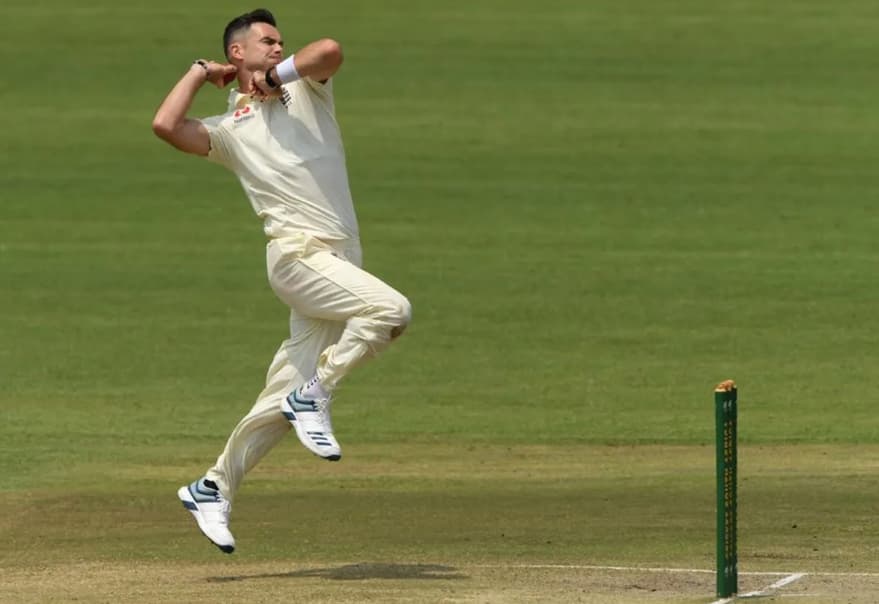
However, that narrative now appears outdated as a visible band of quicks aged 35-plus is still playing high-profile games at the top level.
Top Fast Bowlers with Age Over 35
Mitchell Starc
Mitchell Starc of Australia might just be the world’s most dependable new-ball wicket-taker among fast bowlers.
In July 2025, at 35, Starc delivered a remarkable spell that made cricket history, achieving the fastest five-wicket haul in men’s Test cricket in just 15 deliveries (AUS vs SA in 2024).
By retiring from T20s, Mitchell Starc enhances his longevity. The calendar shows this clearly in that in 2025 Starc made the decision to retire from playing T20 internationals, but would keep making himself available to play Tests and one-day internationals.
It is a trend that we have seen among veteran pace bowlers in that they retire from the most scheduling-intensive format so that they can be at their best and bowl longer spells in the other formats.
Not every veteran’s story is all rosy, though, and that’s the whole point. In early 2026, Josh Hazlewood of Australia, aged 35, suffered quite a few injury setbacks, missing out on major tournaments.
Most stress on ‘not playing until the time is right’. Playing through pain has always been part of cricket. Yet how teams react is revealing.
Modern management prefers a cautious approach and the long-term availability of a senior player over pushing a senior player through borderline fitness for short-term gain. Safeguarding the physical presence of one who has served is a fallback position, not a weakness.
James Anderson
James Anderson is the ultimate symbol of pace longevity for England. In July 2024, Anderson retired from Test cricket at a time when he was regarded as the most successful fast bowler in the history of Test cricket.
Times have certainly changed, and although Anderson might no longer play for his country, he remains a prized asset on the circuit.
Today, his performance may not be significant, but his experience will be valuable for leadership and mentoring.
Why Fast Bowling Longevity is Improving?
- Workload is seen as a measure of performance
The allocation and management of workloads are no longer the same. Monitoring workloads is now more focused on preventing spikes. Numerous studies link spikes with injury risks, and that is why veteran fast bowlers do not bowl continuously anymore.
Veterans getting involved or not getting involved in crucial matches also counts for bettors looking at today’s cricket match predictions to place their wagers. Their effect cannot be ignored as it significantly swings markets.
- Skills age better than raw speed
Usually, as fast bowlers age, they often do less and less of hitting top speed.
They grow more dependent on control and craft instead. For instance, movements off the seam, late swing, cutters, wobble seam, smarter angles, and the like make a middle-order slightly slower bowler more difficult to face.
The top veterans also improve their ability to gauge batters. They also develop excellent trap-setting strategies over a few overs. In the end, they get better at executing specific plans under pressure.
- Format specialisation prolongs careers
Cricket’s schedule is hectic, and veterans are becoming selective. Some put Test and one-day internationals first.
In those matches, just one tactical spell and a match-up are often more important than all the constant appearances by everyone.
Others are drawn to franchise leagues according to their own biological clocks and schedules. Regardless, ‘playing everything, all year’ is declining for old fast bowlers.
Prevention is non-negotiable
Strength training, mobility and recovery protocols, and the early intervention for any little niggles aren’t optional extras anymore.
In elite programs, bowling loads are planned along with gym work and rest, and minor warning signs are taken seriously.
Although the intensity of pace bowling is too high for it to eliminate injuries.
It will, however, cut down on breakdowns through bad planning and overuse.
What a Veteran Pace Looks Like in 2026?
A heavy-bowler who can bowl across formats at 35 is not easy to find.
More often than not, you will see a high ratio of impact specialists bowled with intent.
You’ll witness shorter and sharper spells being bowled at crucial moments.
You can notice rest windows created into tours, you can see captains leaning on veteran quicks for key batters late-session breakthroughs or new-ball expediencies.
Most importantly, the veteran pace bowler is often a tactical anchor.
Youthful quicks have bunches of speed with aggression, but a senior bowler brings precision, calm, and returnable execution when the match tightens.
The Takeaway:
The human body can only withstand fast bowling for so long.
The belief regarding the limits has changed, only to bear with them for a while.
Veterans over 35 years of age are showing that longevity is not defying age but adjusting to it in 2025-26.
By making smarter choices in scheduling, engaging in better injury prevention, and improving their skills, the modern-day fast bowler can now be a formidable non-ageing force.
About the Author
