For decades, international and marquee domestic cricket have been concentrated in a few established metropolitan centres.
Cities such as Mumbai, London, Melbourne, and Sydney have traditionally led the way in hosting rights because of their infrastructure, audiences, and commercial ecosystems.
However, in recent years, there has been a growing trend among cricket boards and leagues to organise high-profile matches at non-traditional venues.
This smart decentralization is not just a sporting choice; it is an economic one, motivated by revenue diversification, regional development objectives, and changing fan markets.
The Economics of Hosting High-Profile Fixtures Outside Cricketing Hubs
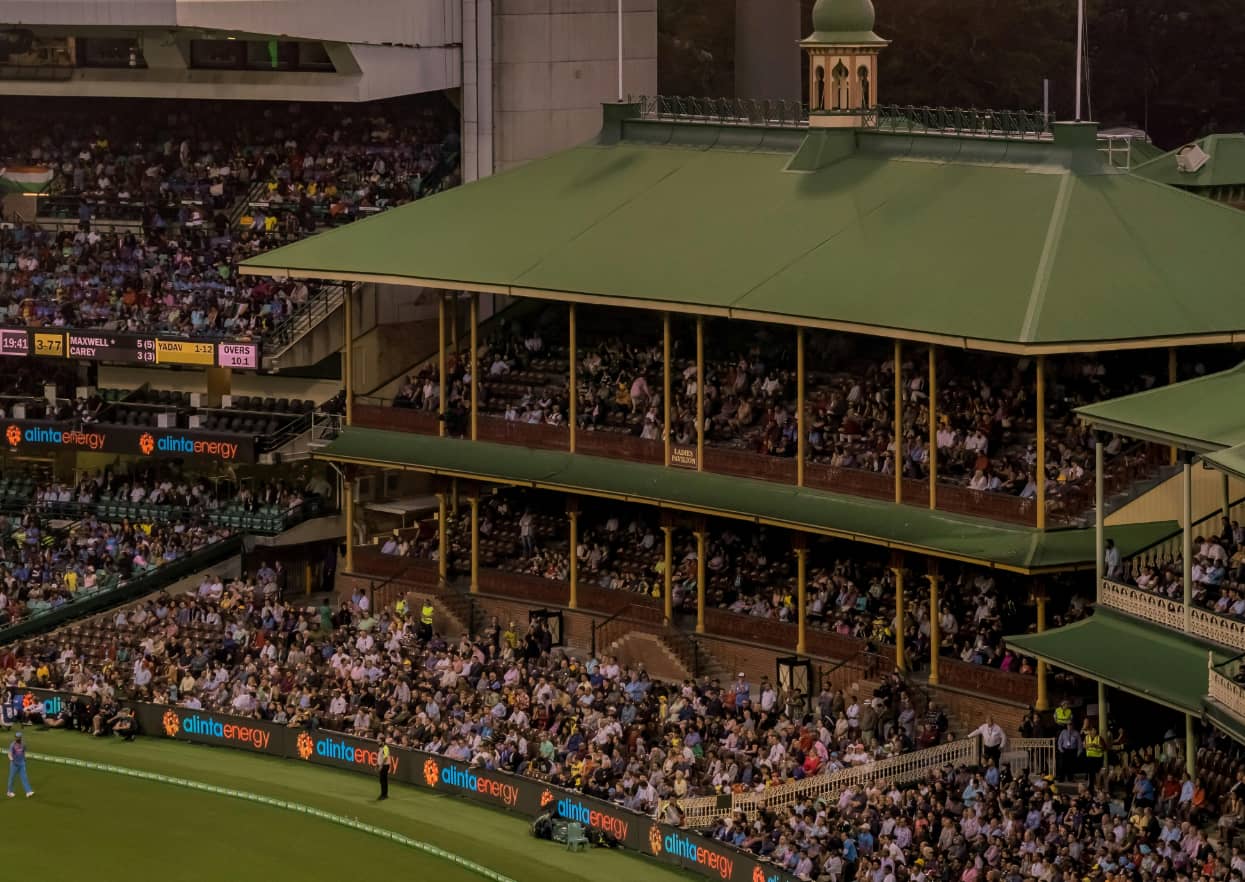
Platforms that monitor trends in engagement with sporting events, such as sportwetten24.com, underscore how these fixtures alter the economic landscape for communities well beyond the boundary ropes.
Why Cricket Is Leaving Traditional Venues Behind?
The saturation of some cricketing cities has made it unprofitable to derive additional economic benefits from hosting additional matches in those cities.
Ticket sales, sponsorship activations, and hospitality revenues in traditional hubs often peak out given predictable demand and high costs of operation.
In contrast, emerging cities offer untapped consumer bases with much higher demand elasticity.
A single international match in a Tier 2 city can create levels of local excitement and spending that overwhelm incremental increases that are seen in established venues.
In addition, governing bodies are under political and developmental pressure to give evidence of national inclusivity.
Hosting matches outside major cities signals investment in regional infrastructure and encourages grassroots participation, which aligns well with the broader public policy goals of sports.
Direct Economic Impact on Local Economies
The immediate financial impact of hosting a high-profile fixture is a big one for smaller cities.
Hotel occupancy rates often spike to near-capacity levels, which benefits all types of hotels, both high-end and low-end.
Transport operators, such as airlines, rail services, taxis, and ride-sharing platforms, face spikes in demand over short periods of time that cascade through the local economy.
Retail and food services also experience measurable gains. Restaurants, street vendors, shopping centers, and entertainment venues benefit from the visits of fans, teams, broadcasters, and officials.
Unlike metropolitan hubs, where such spending is less of an economic needle in a haystack, in smaller cities, incremental revenue is much more visible and impactful.
Infrastructure Investment and Long-Term Returns
One of the most significant economic issues is infrastructure investment.
Upgradation of stadiums, roads, airports, and better digital connectivity all require large initial capital investments.
Critics often question the value of these expenditures for venues that have only a few major matches per year.
However, the long-term returns are not limited to cricket. Modernized stadiums become multi-use assets that can host concerts, exhibitions, and other sporting events.
Improved transport and hospitality infrastructure enhances the city’s profile for future tourism and business investment.
When well managed, the economic lifecycle of these assets extends well beyond the duration of the cricket calendar.
Cost Structures and Managing Risk
Hosting matches outside the cricketing hubs is not without financial risk.
Operating costs can be higher because of the logistical difficulties, such as transporting broadcast equipment, security personnel, and support staff.
Inexperienced local administrations may be faced with inefficiencies that increase expenses or lower commercial returns.
Weather unpredictability, reduced corporate sponsorship density, and premium seating demand can also affect profitability.
As a result, boards have to increasingly draw on centralized revenue models, in which broadcasting and sponsorship income from leagues offset localized financial volatility.
Broadcasting, Branding, and Market Expansion
From a media economics perspective, non-traditional venues have compelling storytelling value.
Broadcasters benefit from new visuals, new fan stories, and regionally diverse audiences that will lead to increased content attractiveness.
This novelty factor can result in increased regional viewership numbers and more robust digital engagement.
For sponsors, these fixtures are key to achieving brand penetration in emerging markets where consumer loyalty is still developing.
Associating with landmark sporting events in new regions could, in many cases, lead to better brand recall than saturated metropolitan markets.
Social Capital and Political Economy
In addition to quantifiable financial benefits, the hosting of high-profile fixtures creates social capital.
Local pride, the involvement of the community and young people in sport, rises significantly when international or marquee matches come to less privileged areas.
These intangible benefits are often an influencing factor in government support, subsidies, and public-private partnerships that make hosting economically viable.
Politically, taking the fixtures out of the hands of elites reinforces national cohesive narratives and diminishes perceptions of elite urban domination within the sport.
This, in turn, protects cricket’s social license to operate across diverse and economically unequal environments.
A Strategic Economic Shift
The economics of bringing high-profile cricket matches away from the more traditional hubs represents an intentional tradeoff between short-term profit and long-term value creation.
While the financial risks are real, the potential rewards in terms of market expansion, infrastructure legacy, and regional economic stimulation are huge.
As the sport of cricket continues to globalize and commercialize, the effectiveness of this strategy will be judged by its disciplined planning, transparent governance, and its capacity to transform one-off spectacles into sustainable economic momentum.
About the Author
