Infrastructure projects reveal national priorities more honestly than policy documents ever could. A country that builds world-class airports values global connectivity.
One that invests in universities prioritizes education. Nations constructing massive highway networks demonstrate commitment to commerce and mobility.
What does it mean when a country builds more international cricket stadiums than any other nation by multiples?
The question of how many international cricket stadiums in India matters because it quantifies something usually described in abstract terms, cricket’s cultural dominance.
We know Indians love cricket. Television ratings prove it. Social media engagement confirms it. But infrastructure provides concrete evidence of commitment that transcends momentary enthusiasm.
Building an international cricket stadium requires serious resources, land acquisition, construction costs, ongoing maintenance, and administrative overhead.
A 40,000-seat venue represents hundreds of millions in investment. Multiply that across dozens of facilities and you’re discussing infrastructure spending comparable to major industrial projects.
Yet India made these investments consistently across decades, under different governments, in multiple states, through varying economic conditions.
This consistency suggests cricket infrastructure serves purposes beyond hosting matches. Stadiums become symbols of regional development, political accomplishments, and national pride.
They generate economic activity through tourism, employment, and ancillary business development.
They create emotional connections between communities and the national team, strengthening civic identity.
This analysis examines the numerical, geographic, economic, and cultural dimensions of India’s cricket stadium network.
The numbers themselves tell part of the story, but understanding why those numbers matter reveals deeper truths about cricket’s role in Indian society.
How Many International Cricket Stadiums in India
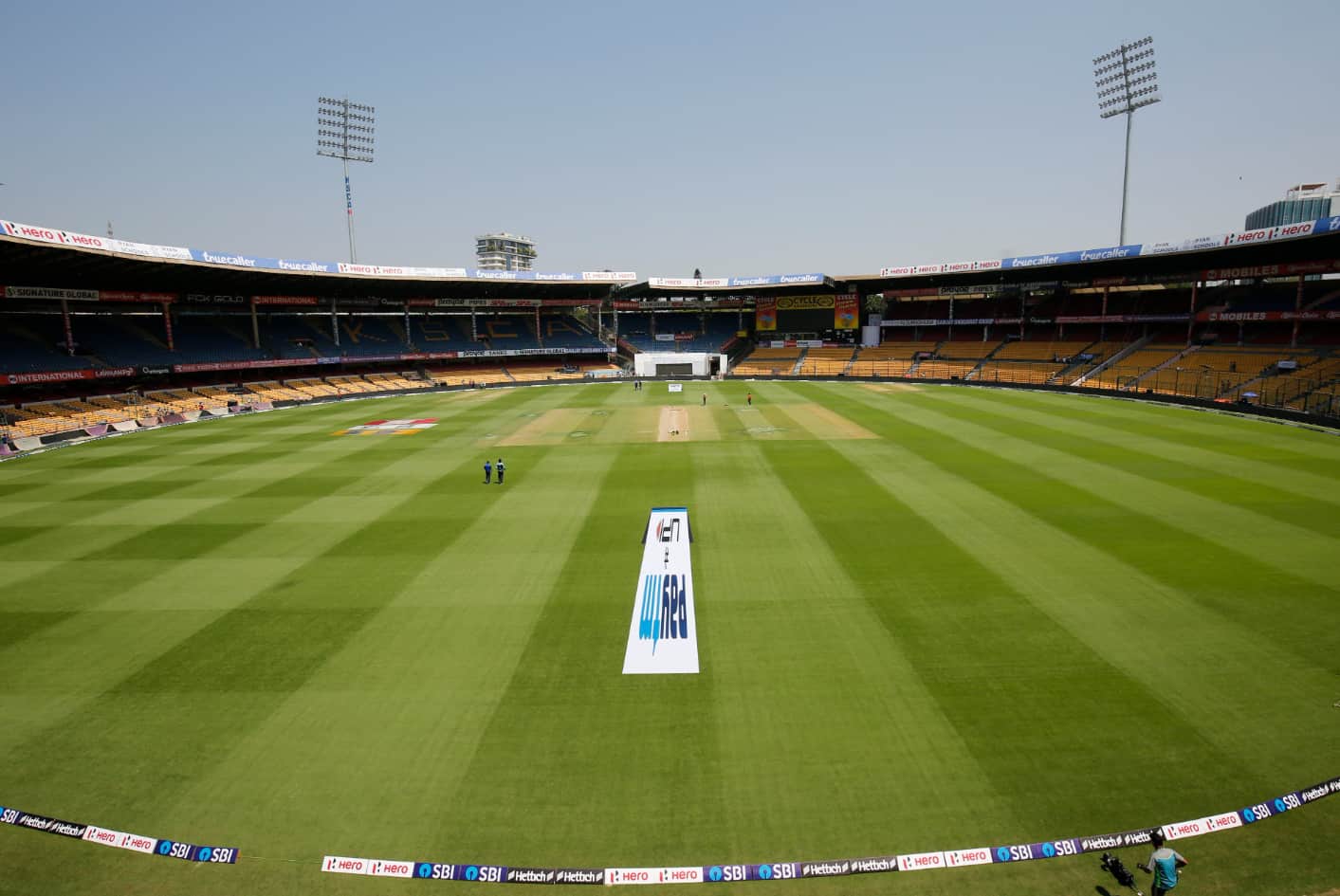
Understanding Cricket Stadiums: Why India Has So Many
Imagine a huge ground with green grass, white boundary lines, and thousands of seats filled with cheering fans. That’s a cricket stadium.
In India, cricket stadiums are like temples. People come to watch their favorite players hit sixes, take wickets, and celebrate victories. These aren’t just sports venues—they’re places where memories are made.
But why does India have so many cricket stadiums?
- Cricket is India’s most popular sport. While Americans love baseball and football, Europeans love soccer, and Indians absolutely love cricket. An estimated 93 out of every 100 sports fans in India watch cricket!
- India is huge. With 1.4 billion people spread across 28 states, you need many stadiums so fans everywhere can watch live matches. A fan in Kolkata shouldn’t have to travel all the way to Mumbai just to see Team India play.
- India is wealthy enough to build them. India’s economy grew from $37 billion in 1960 to over $3.7 trillion today. This money helps build world-class cricket stadiums.
- State governments compete. Each state wants its own stadium as a symbol. Having an international cricket stadium means tourists visit, hotels fill up, and local people get jobs.
- IPL changed everything. When the Indian Premier League (IPL) started in 2008, it created demand for modern stadiums in multiple cities. Suddenly, every major city wanted a venue that could host IPL matches.
This guide explains everything about India’s cricket stadiums in simple, easy-to-understand language. You’ll learn exactly how many exist, where they are located, which are most important, and what makes them special.
The Simple Answer: How Many International Cricket Stadiums in India?
How Many International Cricket Stadiums in India exist right now in 2025?
Answer: 81 stadiums
These 81 stadiums have hosted at least one official international cricket match recognized by the International Cricket Council (ICC).
This includes Test matches, One-Day Internationals (ODIs), and Twenty20 Internationals (T20Is).
By the end of 2025, this number will grow to 83 stadiums when two new venues open—one in Varanasi and one in Bengaluru.
That’s more cricket stadiums than any other country in the world!
What Makes a Stadium “International”? Understanding the Basics
Not every cricket ground counts as an international stadium. Specific criteria must be met.
Three Types of International Matches:
1. Test Matches (5-Day Cricket)
- The longest format
- Each team bats twice
- Takes up to 5 days to complete
- Considered cricket’s highest level
- Requires the best facilities
2. ODI Matches (One-Day Internationals)
- Each team bats once
- 50 overs per team
- Match finishes in one day (about 7-8 hours)
- Most popular format for tournaments
3. T20I Matches (Twenty20 Internationals)
- Shortest format
- 20 overs per team
- Finished in 3-4 hours
- Most exciting and fast-paced
- Great for entertainment
To Count as International:
A stadium must have hosted at least one of these three match types in an official series or tournament recognized by the ICC (International Cricket Council).
What Doesn’t Count:
- Domestic cricket matches (like Ranji Trophy)
- Practice matches
- Women’s internationals (counted separately)
- Youth internationals
The 81 stadiums we’re discussing have all hosted official senior men’s international cricket.
List of International Cricket Stadiums in India: Complete Database
For those searching for the List of International Cricket Stadiums in India or the complete India all Stadium Name list, here’s a detailed table of major venues:
| Stadium Name | City | State | Capacity | Year Opened | Famous For |
|---|---|---|---|---|---|
| Narendra Modi Stadium | Ahmedabad | Gujarat | 132,000 | 2020 | World’s largest cricket stadium |
| Eden Gardens | Kolkata | West Bengal | 68,000 | 1864 | India’s oldest international venue |
| Shaheed Veer Narayan Singh Stadium | Raipur | Chhattisgarh | 65,000 | 2008 | Massive capacity in central India |
| Rajiv Gandhi International Stadium | Hyderabad | Telangana | 55,000 | 2004 | Modern architectural design |
| Ekana Cricket Stadium | Lucknow | Uttar Pradesh | 50,000 | 2018 | Newest world-class venue |
| Barabati Stadium | Cuttack | Odisha | 45,000 | 1958 | Historic eastern India venue |
| Vidarbha Cricket Association Stadium | Nagpur | Maharashtra | 45,000 | 2008 | Central India cricket hub |
| Arun Jaitley Stadium | Delhi | Delhi | 41,000 | 1883 | India’s capital cricket ground |
| M. Chinnaswamy Stadium | Bengaluru | Karnataka | 40,000 | 1969 | First solar-powered stadium |
| JSCA International Stadium | Ranchi | Jharkhand | 40,000 | 2010 | MS Dhoni’s home ground |
| Jawaharlal Nehru Stadium | Kochi | Kerala | 40,000 | 2014 | Kerala’s modern venue |
| M. A. Chidambaram Stadium | Chennai | Tamil Nadu | 38,000 | 1916 | Historic spinning pitches |
| Maharashtra Cricket Association Stadium | Pune | Maharashtra | 37,000 | 2012 | Modern facilities |
| Wankhede Stadium | Mumbai | Maharashtra | 33,000 | 1974 | 2011 World Cup Final venue |
| Green Park Stadium | Kanpur | Uttar Pradesh | 32,000 | 1945 | Historic Test match venue |
| Sawai Mansingh Stadium | Jaipur | Rajasthan | 30,000 | 1969 | Rajasthan Royals home |
| Holkar Cricket Stadium | Indore | Madhya Pradesh | 30,000 | 1990 | Central India venue |
| Saurashtra Cricket Association Stadium | Rajkot | Gujarat | 28,000 | 2013 | Fast and bouncy pitches |
| Nehru Stadium | Pune | Maharashtra | 28,000 | 1994 | Historic Maharashtra venue |
| Dr. Y.S. Rajasekhara Reddy Stadium | Visakhapatnam | Andhra Pradesh | 27,000 | 2003 | Beautiful coastal venue |
| Punjab Cricket Association Stadium | Mohali | Punjab | 26,000 | 1993 | Consistent Test host |
| Indira Gandhi Stadium | Vijayawada | Andhra Pradesh | 25,000 | 1981 | Coastal city cricket |
| Moin-ul-Haq Stadium | Patna | Bihar | 25,000 | 2012 | Bihar’s cricket pride |
| Barsapara Cricket Stadium | Guwahati | Assam | 25,000 | 2012 | Northeast cricket hub |
| Brabourne Stadium | Mumbai | Maharashtra | 25,000 | 1937 | Historic Mumbai venue |
| MA Chidambaram Stadium | Salem | Tamil Nadu | 25,000 | 2009 | Tamil Nadu’s second venue |
| HPCA Stadium | Dharamshala | Himachal Pradesh | 23,000 | 2003 | Most scenic stadium (mountains) |
| Captain Roop Singh Stadium | Gwalior | Madhya Pradesh | 23,000 | 2003 | Historic central India ground |
| Greater Noida Sports Complex | Greater Noida | Uttar Pradesh | 20,000 | 2013 | Occasionally hosts internationals |
| Rajiv Gandhi Stadium | Margao | Goa | 20,000 | 2008 | Goa’s cricket venue |
This table shows 30 of India’s 81 international cricket stadiums. The complete list includes many more grounds in smaller cities across the country.
Top 10 Cricket Stadiums in India: The Most Important Venues
When discussing the Top 10 Cricket Stadiums in India, we look at capacity, history, importance, and fan experience.
| Rank | Stadium Name | City | Capacity | Why It’s Special |
|---|---|---|---|---|
| 1 | Narendra Modi Stadium | Ahmedabad | 132,000 | World’s biggest cricket stadium |
| 2 | Eden Gardens | Kolkata | 68,000 | The oldest stadium with an amazing atmosphere |
| 3 | Wankhede Stadium | Mumbai | 33,000 | Where India won the 2011 World Cup |
| 4 | M. Chinnaswamy Stadium | Bengaluru | 40,000 | First solar-powered cricket stadium |
| 5 | Rajiv Gandhi Stadium | Hyderabad | 55,000 | Modern design with great facilities |
| 6 | JSCA Stadium | Ranchi | 40,000 | MS Dhoni’s home ground |
| 7 | HPCA Stadium | Dharamshala | 23,000 | The most beautiful stadium with mountains |
| 8 | M. A. Chidambaram Stadium | Chennai | 38,000 | Historic venue with spinning pitches |
| 9 | Arun Jaitley Stadium | Delhi | 41,000 | India’s capital’s premier cricket ground |
| 10 | Ekana Stadium | Lucknow | 50,000 | Newest world-class modern stadium |
Why These 10 Stand Out:
- Narendra Modi Stadium (Ahmedabad): Holds 132,000 people—more than any cricket stadium on Earth! When it’s full, the noise is incredible.
- Eden Gardens (Kolkata): Opened in 1864, making it India’s oldest stadium. Kolkata fans are cricket’s most passionate. The atmosphere during matches is electric.
- Wankhede Stadium (Mumbai): This is where MS Dhoni hit that famous six to win the 2011 Cricket World Cup. Every Indian remembers that moment. The stadium is special because of that night.
- M. Chinnaswamy Stadium (Bengaluru): The first cricket stadium powered by solar energy! It makes its own electricity from solar panels on the roof. Very environmentally friendly.
- Rajiv Gandhi Stadium (Hyderabad): A modern stadium with excellent facilities. Designed beautifully with great sightlines from every seat.
- JSCA Stadium (Ranchi): MS Dhoni grew up near Ranchi. When he plays here, it feels like a home game. Fans worship him like a god.
- HPCA Stadium (Dharamshala): Built in the mountains with snow-capped Himalayan peaks in the background. The most scenic cricket stadium in the world!
- M. A. Chidambaram Stadium (Chennai): Called “Chepauk” by fans. One of India’s oldest stadiums (opened in 1916). Known for pitches that help spin bowlers.
- Arun Jaitley Stadium (Delhi): Previously called Feroz Shah Kotla. India’s capital city’s main cricket venue with lots of history.
- Ekana Stadium (Lucknow): Opened in 2018, making it one of India’s newest international stadiums. Ultra-modern with a 50,000 capacity.
Geography Breakdown: Stadiums Across India’s Regions
India is a huge country. Cricket stadiums are spread across different regions so everyone can watch live cricket.
How Stadiums Are Distributed:
| Region | States Included | Number of Stadiums | Major Cities |
|---|---|---|---|
| West India | Maharashtra, Gujarat, Rajasthan, Goa | 22 | Mumbai, Ahmedabad, Pune, Jaipur, Rajkot |
| South India | Karnataka, Tamil Nadu, Telangana, Andhra Pradesh, Kerala | 18 | Bengaluru, Chennai, Hyderabad, Visakhapatnam, Kochi |
| East India | West Bengal, Odisha, Jharkhand, Bihar | 15 | Kolkata, Ranchi, Cuttack, Patna |
| North India | Delhi, Punjab, Haryana, Himachal Pradesh, Uttar Pradesh | 14 | Delhi, Mohali, Dharamshala, Lucknow, Kanpur |
| Central India | Madhya Pradesh, Chhattisgarh | 7 | Indore, Raipur, Bhopal, Gwalior |
| Northeast India | Assam, Tripura, Meghalaya | 5 | Guwahati, Agartala, Shillong |
| Total | All India | 81 | Nationwide |
What This Means:
- West India has the most stadiums (22) because states like Maharashtra and Gujarat are economically strong and have huge cricket fan bases.
- South India has 18 stadiums spread across major cities like Bengaluru, Chennai, and Hyderabad.
- East India has 15 stadiums, including the famous Eden Gardens in Kolkata.
- North India has 14 stadiums covering Delhi, Punjab, Himachal Pradesh, and Uttar Pradesh.
- Central India has 7 stadiums in Madhya Pradesh and Chhattisgarh.
- Northeast India has 5 stadiums, which is impressive—this region had zero international cricket stadiums before 2000!
This distribution ensures that cricket fans in every part of India can watch international matches without traveling across the entire country.
State-by-State Stadium Count: Detailed Numbers
Let’s look at how many stadiums each major state has.
How Many International Cricket Stadium in UP:
Uttar Pradesh (UP) is India’s most populated state with over 240 million people. It has 3 international cricket stadiums:
- Ekana Cricket Stadium (Lucknow) – 50,000 capacity, opened 2018
- Green Park Stadium (Kanpur) – 32,000 capacity, opened 1945
- Greater Noida Sports Complex – 20,000 capacity, opened 2013
Coming Soon: Varanasi International Cricket Stadium will open in December 2025, making UP a 4-stadium state!
How Many International Cricket Stadium in Bihar:
Bihar has 1 international cricket stadium:
Moin-ul-Haq Stadium (Patna) – 25,000 capacity, opened 2012
This stadium has hosted 3 ODI matches and 5 T20I matches. Bihar’s cricket is growing, with plans for more venues in Gaya and Muzaffarpur.
Other Major States:
| State Name | Number of Stadiums | Major Cities with Stadiums |
|---|---|---|
| Maharashtra | 6 | Mumbai, Pune, Nagpur, Kolhapur, Nashik, Aurangabad |
| Gujarat | 4 | Ahmedabad (2 venues), Rajkot, Vadodara, Surat |
| Uttar Pradesh | 3 | Lucknow, Kanpur, Greater Noida |
| Tamil Nadu | 3 | Chennai, Salem, Dindigul |
| Karnataka | 3 | Bengaluru, Mysore, Hubli |
| Andhra Pradesh | 3 | Visakhapatnam, Vijayawada, Tirupati |
| Rajasthan | 2 | Jaipur, Udaipur |
| West Bengal | 2 | Kolkata, Siliguri |
| Telangana | 2 | Hyderabad, Warangal |
| Madhya Pradesh | 2 | Indore, Gwalior |
| Punjab | 1 | Mohali |
| Jharkhand | 1 | Ranchi |
| Odisha | 1 | Cuttack |
| Bihar | 1 | Patna |
| Assam | 1 | Guwahati |
| Delhi | 1 | Delhi |
| Himachal Pradesh | 1 | Dharamshala |
| Kerala | 1 | Kochi |
| Chhattisgarh | 1 | Raipur |
| Goa | 1 | Margao |
Key Findings:
Maharashtra leads with 6 stadiums because it’s economically powerful and has cities like Mumbai, Pune, and Nagpur.
Gujarat has 4 stadiums, including the world’s largest (Narendra Modi Stadium in Ahmedabad).
Many states have just 1 stadium, which is still enough to host international matches occasionally.
Upcoming Stadiums Opening in 2025: The Future of Indian Cricket
India’s stadium construction continues! Two major projects will open in 2025.
- 1. Varanasi International Cricket Stadium (Uttar Pradesh)
Opening Date: December 2025
Capacity: 40,000 people
Location: Near Varanasi Airport
Special Features:
- Architecture inspired by Varanasi’s ancient temples
- Modern drainage system for playing during the monsoon
- LED floodlights for day-night matches
- State-of-the-art player facilities
Why It Matters: Varanasi is one of India’s most spiritual cities. Having an international cricket stadium there combines India’s cricket passion with its cultural heritage.
- 2. Surya City International Cricket Stadium (Bengaluru, Karnataka)
Opening Date: Late 2025
Capacity: 80,000 people
Location: Surya City Township, Bengaluru outskirts
Special Features:
- Completely solar-powered (like Chinnaswamy Stadium)
- Retractable roof sections to protect from rain
- Underground parking for 5,000+ cars
- Premium facilities for IPL finals
Why It Matters: Bengaluru will have two world-class stadiums, making it one of India’s cricket capitals alongside Mumbai and Kolkata.
What This Means:
Once these two stadiums open, the answer to How Many International Cricket Stadiums in India will become 83 venues!
By 2030, India could have 90-95 international cricket stadiums, far more than any other cricket-playing nation.
What Makes Modern Indian Stadiums Special?: Cool Features
India’s newest cricket stadiums aren’t just bigger—they’re smarter with amazing technology.
Sustainability Features:
- Solar panels – Stadiums make their own electricity from sunlight
- Rainwater harvesting – Collecting and storing millions of liters of rainwater
- LED lighting – Uses 60% less electricity than old lights
- Waste recycling – 80%+ of stadium waste gets recycled
Fan Experience Upgrades:
- Ultra HD screens – Giant 4K screens showing replays from every angle
- Stadium Wi-Fi – High-speed internet throughout the stadium
- Mobile ticketing – Buy tickets on your phone, no paper needed
- Cashless payments – Use cards or phones to buy food and drinks
- Air conditioning – Corporate boxes and lounges stay cool
Playing Surface Improvements:
- Hybrid pitches – Mix natural grass with synthetic fibers for consistency
- Advanced drainage – Games can restart just 30 minutes after rain stops
- Pitch sensors – Measure moisture levels in real-time
- Retractable covers – Protect the pitch overnight automatically
Broadcasting Technology:
- Spider cams – Cameras that fly above the field on cables
- Stump cameras – Tiny cameras inside the stumps showing the batsman’s view
- 360-degree replays – See any moment from multiple angles
- Heat mapping – Show pitch behavior using infrared technology
These features make Indian cricket stadiums among the world’s best, competing with famous venues like Melbourne Cricket Ground in Australia or Lord’s in England.
Why Stadium Numbers Matter: What It Means for Cricket Fans?
More stadiums mean more opportunities for regular fans like you!
Benefits of Having 81 Stadiums:
- 1. Easier Access: You don’t need to travel across India to watch international cricket. There’s probably a stadium within 200-300 km of your home.
- 2. More Matches: With 81 venues, India can host 40+ international matches every year without overusing any single stadium.
- 3. Cheaper Tickets: More stadiums mean more competition, which can keep ticket prices reasonable.
- 4. Regional Pride: Your state or city having a stadium creates local pride. Fans feel connected to Team India when matches happen nearby.
- 5. Economic Growth: Cricket matches bring tourists, create jobs, and boost local businesses like hotels and restaurants.
- 6. Player Development: Having stadiums nationwide means young cricketers everywhere can dream of playing there someday. More stadiums = more opportunities for talent.
- 7. Better Facilities: Competition between stadiums pushes each one to improve facilities, making every experience better for fans.
Interesting Stadium Facts: Fun Numbers to Know
- Oldest Stadium: Eden Gardens (Kolkata) – 161 years old (opened 1864)
- Newest Stadium: Narendra Modi Stadium (Ahmedabad) – 5 years old (opened 2020)
- Largest Stadium: Narendra Modi Stadium – 132,000 capacity (world’s biggest)
- Smallest Active Stadium: HPCA Stadium (Dharamshala) – 23,000 capacity
- Most Expensive Stadium: Narendra Modi Stadium – Cost approximately ₹800 crore to build
- Total Combined Capacity: All 81 stadiums together can hold approximately 2.2 million people!
- Most Test Matches: M. A. Chidambaram Stadium (Chennai) has hosted 34 Test matches
- Most Scenic: HPCA Stadium (Dharamshala) with the Himalayan mountain backdrop
- First Solar-Powered: M. Chinnaswamy Stadium (Bengaluru) generates 400 KW daily from solar panels
Conclusion: India’s Cricket Stadium Leadership
So, let’s answer one final time: How Many International Cricket Stadiums in India exist in 2025?
81 stadiums currently, growing to 83 by year-end, potentially reaching 90-95 by 2030.
This number makes India the undisputed leader in cricket infrastructure globally. No other country comes close.
These 81 stadiums represent more than just sports venues. They represent:
- India’s economic growth is enabling massive infrastructure investment
- Cricket’s special place in Indian culture and hearts
- State governments’ commitment to providing world-class facilities
- BCCI’s financial strength and organizational capability
- Millions of cricket fans’ passion and dedication
From Eden Gardens’ 160-year history to Narendra Modi Stadium’s futuristic 132,000 capacity, from Dharamshala’s mountain beauty to Wankhede’s World Cup glory—each stadium tells a unique story.
For cricket fans, these 81 stadiums aren’t just buildings. They’re where Sachin Tendulkar scored centuries.
Where MS Dhoni hit match-winning sixes. Where Virat Kohli chased impossible targets. Where Jasprit Bumrah bowled unplayable yorkers.
They’re where tomorrow’s cricket legends will create new memories that Indian fans will cherish forever.
And that number keeps growing, ensuring India’s cricket future remains as bright and exciting as its glorious past.
More Quality Guides:
- Smallest Cricket Stadium In India
- India’s Second-Largest Cricket Stadium
- Who Was The First Player To Be Given Out By The Third Umpire
- Longest Sixes In Cricket History
Sources:
- https://en.wikipedia.org/wiki/List_of_international_cricket_grounds_in_India
- https://www.bcci.tv/venues
- https://sports.ndtv.com/cricket/grounds
- https://cricketcounsel.com/
About the Author
