Cricket calls itself a gentleman’s game, built on principles of fair play and honest competition.
But fairness doesn’t happen automatically – it requires professionals dedicated to upholding standards, making tough calls, and maintaining integrity regardless of public opinion.
These professionals are umpires, and their financial compensation reflects cricket’s commitment to quality officiating.
The icc cricket umpire salary and annual salary structure is designed to attract and retain the best officiating talent globally.
Yet this crucial aspect of cricket’s economics rarely enters public conversation.
We debate player valuations endlessly but ignore the financial ecosystem supporting those who ensure matches remain fair.
International cricket umpiring has evolved dramatically over recent decades. Gone are the days of local officials handling matches casually.
Today’s ICC umpires are elite professionals selected from worldwide talent pools, trained extensively, evaluated continuously, and held to standards as rigorous as those for players.
They sacrifice personal comfort for the sport’s integrity. They spend months away from families, traveling between countries and time zones.
They face verbal pressure from players, constant scrutiny from commentators, and harsh criticism on social media.
Every decision invites analysis, every mistake becomes magnified, and every controversy threatens reputations.
Given these demands, how does ICC compensate these officials? What financial incentives attract talented individuals to umpiring careers?
How do salaries compare across formats, tournaments, and experience levels? What benefits beyond match fees do umpires receive?
These questions reveal cricket’s professional infrastructure beyond the playing field.
Understanding umpire compensation shows how seriously cricket’s governing body takes officiating quality and maintaining the sport’s credibility worldwide.
ICC Cricket Umpire Salary Per Match & Annual Salary 2025
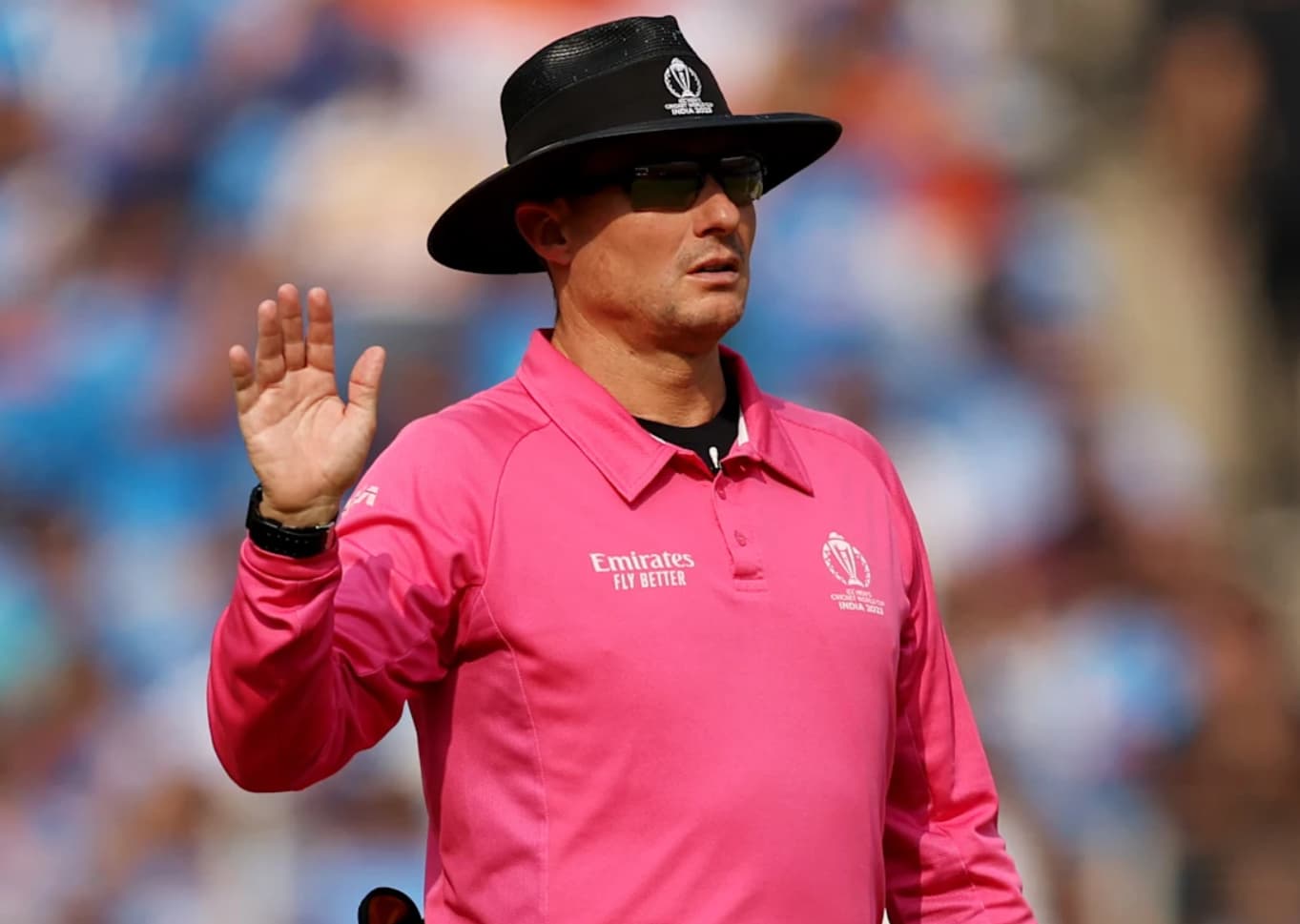
Who Are ICC Umpires and Why Do They Matter?
When you watch a cricket match, you see players hitting boundaries and taking wickets.
But there are two people in white coats standing on the field who don’t get much attention—the umpires.
ICC umpires are cricket’s decision-makers. They decide if a batsman is out or not out. They check if a ball is legal. They control the entire match.
Without umpires, cricket would be chaos. Players would argue endlessly. Matches would never finish fairly.
The ICC Cricket Umpire Salary is how these officials get paid for their important work.
They don’t earn from advertisements like Virat Kohli or MS Dhoni. Their only income comes from ICC contracts and match fees.
In this guide, I’ll explain everything about how much umpires earn, step by step, in the simplest way possible.
Simple Salary Breakdown: How Much Per Match?
Let me start with the basics. ICC umpires get paid for every match they officiate. The amount depends on which type of match it is.
Here’s the simple breakdown:
| Match Type | How Long It Lasts | Fee (USD) | Fee (INR) |
|---|---|---|---|
| Test Match | 5 days | $5,000 | ₹3,77,567 |
| ODI Match | 1 day | $3,000 | ₹2,26,540 |
| T20 Match | 3-4 hours | $1,500 | ₹1,13,270 |
What does this mean?
If an umpire stands in one Test match, he earns ₹3,77,567. That’s almost 4 lakh rupees for five days of work!
If he does one ODI, he gets ₹2,26,540. That’s over 2 lakh for one day.
And for a T20 match that lasts just 3 hours, he receives ₹1,13,270.
The longer you stand on the field, the more you earn. Makes sense, right?
Annual Salary Range: How Much Do Umpires Earn Per Year?
Now let’s talk about yearly income. This is where it gets interesting.
The ICC Cricket Umpire Salary for elite panel umpires ranges from $80,000 to $200,000 per year. In Indian rupees, that’s ₹60 lakh to ₹1.5 crore annually.
But how do they earn this much? Let me break it down simply.
Three Ways Umpires Earn Money:
1. Annual Retainer Fee
Every elite umpire gets a fixed monthly payment from ICC. This is called a retainer.
Think of it like a salary you get even when you’re not working. ICC pays this to keep top umpires available throughout the year.
Amount: Around $3,000 per month = $36,000 per year (₹27 lakh).
2. Match Fees
This is the main income source. Every time an umpire officiates a match, ICC pays him.
Example calculation:
- 15 Test matches in a year = 15 × $5,000 = $75,000
- 10 ODI matches = 10 × $3,000 = $30,000
- 5 T20 matches = 5 × $1,500 = $7,500
Total from matches = $112,500 (₹85 lakh)
3. Bonuses and Awards
ICC gives a special award for the best umpire each year.
Prize money: ₹7,36,995 (around $10,000)
What Else Do Umpires Get? (Free Perks)
Money isn’t everything. Umpires also receive:
- Free flights – Business class tickets to any country
- Five-star hotels – Luxury accommodation everywhere they go
- Daily food allowance – Extra cash for meals (₹7,000-10,000 per day)
- Full medical insurance – All health problems covered
- Travel for family – Sometimes ICC pays for family members, too
- Pension benefits – Money after retirement
- Training courses – Free workshops on technology and rules
If you calculate these perks, they add another ₹15-20 lakh to the total value per year.
World Cup Special: When Umpires Earn Extra Money?
Regular cricket matches pay well. But World Cups? That’s when umpires make big money!
Let me explain using the example of Aleem Dar from Pakistan. He has officiated the most World Cup matches in history.
Aleem Dar’s World Cup Earnings:
| Tournament Type | Fee Per Match (INR) | Matches Officiated | Total Earned |
|---|---|---|---|
| Test Championship | ₹3,77,567 | 5 matches | ₹18,87,835 |
| ODI World Cup | ₹2,26,540 | 12 matches | ₹27,18,480 |
| T20 World Cup | ₹1,13,270 | 8 matches | ₹9,06,160 |
Here’s the amazing part:
In one 50-over World Cup, if Aleem Dar officiates 12 matches, he earns ₹27,18,480 in just 45 days!
That’s more than what many people earn in a full year.
World Cup assignments are like bonus income for umpires. They get their regular annual salary PLUS this extra World Cup money.
Over his entire career, Aleem Dar has earned approximately ₹2 crore just from World Cup tournaments. That doesn’t include regular matches!
Complete ICC Umpire Salary List: Who Earns What?
Now let’s look at the full picture. Here’s exactly how much each top ICC umpire earns:
Elite Panel Umpires (Top Earners):
| Umpire Name | Country | ODI Fee | Test Fee | T20 Fee | Annual Retainer | Total Per Year |
|---|---|---|---|---|---|---|
| Aleem Dar | Pakistan | $3,000 | $5,000 | $1,500 | $3,000 | $100,000 |
| Kumar Dharmasena | Sri Lanka | $3,000 | $5,000 | $1,500 | $3,000 | $100,000 |
| Marais Erasmus | South Africa | $3,000 | $5,000 | $1,500 | $3,000 | $100,000 |
| Richard Kettleborough | England | $3,000 | $5,000 | $1,500 | $3,000 | $100,000 |
| Paul Reiffel | Australia | $3,000 | $5,000 | $1,500 | $3,000 | $100,000 |
| Nigel Llong | England | $3,000 | $5,000 | $1,500 | $3,000 | $100,000 |
| Richard Illingworth | England | $3,000 | $5,000 | $1,500 | $3,000 | $100,000 |
| Joel Wilson | West Indies | $3,000 | $5,000 | $1,500 | $3,000 | $100,000 |
| Michael Gough | England | $3,000 | $5,000 | $1,500 | $3,000 | $100,000 |
| Bruce Oxenford | Australia | $3,000 | $5,000 | $1,500 | $3,000 | $100,000 |
| Christopher Gaffaney | New Zealand | $3,000 | $5,000 | $1,500 | $3,000 | $100,000 |
| Rodney Tucker | Australia | $3,000 | $5,000 | $850 | $3,000 | $100,000 |
All these umpires are on the elite panel. They earn around ₹75 lakh per year (approximately $100,000).
Match Referees (They Earn Less):
| Official Name | Country | Test Fee | ODI Fee | T20 Fee | Annual Earnings |
|---|---|---|---|---|---|
| Ranjan Madugalle | Sri Lanka | $2,500 | $1,500 | $850 | $40,000 |
| Jeff Crowe | New Zealand | $2,500 | $1,500 | $850 | $40,000 |
| Javagal Srinath | India | $2,500 | $1,500 | $850 | $40,000 |
Match referees are different from umpires. They don’t stand on the field. They handle discipline, player behavior, and match reports from outside.
They earn about ₹30 lakh per year ($40,000).
Why Don’t All Umpires Earn the Same Amount?
Good question! Let me explain the factors that change an umpire’s salary.
Factor 1: Experience Matters
New umpires earn less. Senior umpires earn more.
Example:
- A beginner with 2 years of experience: ₹20-30 lakh per year
- An experienced umpire with 10+ years: ₹75 lakh to ₹1 crore per year
Why? Because experienced umpires make fewer mistakes. They understand cricket better. They stay calm under pressure.
Factor 2: Which Panel You’re On
ICC has two umpire panels:
Elite Panel (Top Level):
- Only 12-16 umpires
- Get big matches like World Cups and Test series
- Earn $80,000-$100,000 per year
Development Panel (Learning Level):
- 15-20 umpires
- Get a smaller bilateral series
- Earn $30,000-$50,000 per year
Getting promoted from Development to Elite Panel doubles your salary!
Factor 3: What Matches You Get?
Not all matches pay the same:
| Match Category | Relative Payment |
|---|---|
| World Cup Final | Highest |
| Test Championship Final | Very High |
| Ashes Series | High |
| Regular Bilateral Series | Standard |
| Practice Matches | Lowest |
The bigger the match, the better the pay.
Factor 4: Your Accuracy Record
ICC tracks every decision an umpire makes. They use technology to check if decisions were correct.
If your accuracy is:
- 95%+ correct → You get more assignments
- Below 90% → Fewer assignments, less money
Better accuracy = More trust = More matches = Higher income.
Factor 5: Format Specialization
Some umpires become experts in specific formats:
- Test cricket specialists → Handle long, complex matches
- T20 specialists → Quick decision-makers
- All-format umpires → Most valuable, get all types of matches
All-format umpires earn the most because they’re useful everywhere.
How Does ICC Select Umpires for Big Matches?
Ever wondered how umpires get chosen? Here’s the simple process:
- Step 1: Start with domestic cricket in your country
- Step 2: Get selected for your national umpiring panel
- Step 3: Officiate in domestic leagues (like Ranji Trophy in India)
- Step 4: Apply for ICC Development Panel
- Step 5: Pass ICC’s umpiring exams and tests
- Step 6: Officiate in smaller international matches
- Step 7: Get evaluated on accuracy and performance
- Step 8: Get promoted to Elite Panel (if you’re good enough)
- Step 9: Get assigned to World Cups and major tournaments
The entire journey from domestic cricket to World Cup umpiring takes 10-15 years of hard work.
Interesting Facts About ICC Umpire Salaries
Here are some cool facts you probably didn’t know:
- Fact 1: Aleem Dar has earned over ₹12 crore in his entire career as an ICC umpire.
- Fact 2: The standard $1,500 per match fee for T20s is still higher than what most domestic umpires earn in a month.
- Fact 3: World Cup umpires can earn ₹30-40 lakh extra just from one tournament.
- Fact 4: Elite umpires travel 200+ days per year across different countries.
- Fact 5: Cricket umpires with highest salary earn more than international football referees (who make around $70,000 annually).
- Fact 6: ICC spends approximately $5-6 million per year on umpire salaries and expenses.
- Fact 7: The ICC Cricket Umpire Salary has increased by 150% in the last 15 years due to cricket’s commercial growth.
Frequently Asked Questions:
- How much do ICC umpires earn per match?
Test matches: ₹3,77,567 | ODI matches: ₹2,26,540 | T20 matches: ₹1,13,270
- What is the annual salary of top ICC umpires?
Elite panel umpires earn between ₹60 lakh to ₹1 crore ($80,000-$100,000) per year, including all fees and retainers.
- Do ICC umpires get monthly salary?
Yes! They get a monthly retainer of around ₹2,26,540 ($3,000) even when not officiating matches.
- Who is the highest paid cricket umpire in the world?
All elite umpires earn similar amounts ($100,000), but Aleem Dar has earned the most over his career due to extensive World Cup assignments.
- Can umpires earn from IPL separately?
Yes! IPL pays umpires separately from the ICC. Elite umpires can earn ₹2,26,540 to ₹3,77,567 per IPL match from the BCCI.
- How much does a beginner ICC umpire earn?
Development panel umpires (beginners) earn around ₹20-30 lakh ($30,000-$40,000) annually.
- Do umpires get paid for travel and hotels?
No need! ICC covers ALL travel expenses, hotel stays, and even daily food allowances separately. Umpires don’t spend their own money.
- What benefits do ICC umpires receive besides salary?
Business class flights, five-star hotels, medical insurance, pension plans, training programs, and daily cash allowances for food and expenses.
- How do umpires qualify for the elite panel?
They must have 8-10 years of international experience, maintain 95%+ accuracy in decisions, and pass ICC’s performance evaluations.
- Can Indian umpires earn the same as foreign umpires?
Yes! ICC pays all elite panel umpires equally, regardless of nationality. Nitin Menon from India earns the same as Richard Kettleborough from England.
Final Thoughts: Understanding the Real Value of Cricket Umpires
Now you understand the complete picture of the ICC Cricket Umpire Salary structure.
These officials don’t earn crores like Rohit Sharma or Joe Root. They can’t sign million-dollar endorsement deals.
But they earn a respectable income that reflects their expertise and responsibility.
Think about what they do:
They stand for hours in heat, cold, and rain. They make instant decisions while millions watch and judge.
They travel away from their families for months. They maintain cricket’s fairness and integrity.
For all this, earning ₹60 lakh to ₹1 crore per year seems fair.
The salary structure is designed smartly. Base retainer provides security. Match fees reward active work.
Bonuses recognize excellence. Free travel and accommodation reduce personal expenses.
As cricket grows commercially—with bigger TV deals, more tournaments, and increasing viewership—expect umpire salaries to grow too.
The sport needs quality officials. Fair pay attracts talented people to umpiring careers instead of just playing or coaching.
Next time you watch a cricket match, take a moment to appreciate the men in white coats. They’re not just standing there. They’re making sure your favorite game remains honest, competitive, and worth watching.
They deserve recognition. They deserve respect. And yes, they deserve fair compensation for being cricket’s silent guardians.
More Cricket Guides:
- Who Was The First Player To Be Given Out By The Third Umpire
- How to Become a Cricket Umpire in India
- 15 Rules of Cricket
Source:
- https://en.wikipedia.org/wiki/Elite_Panel_of_ICC_Umpires
- https://www.icc-cricket.com/about/cricket/match-officials/umpires
- https://www.livemint.com/sports/cricket-news/ipl-2025-what-is-the-salary-of-umpires-in-worlds-richest-t20-league-full-details-11745674570537.html
About the Author
