Before millions streamed his hit songs, before he acted in Bollywood films, before “Naah” and “Bijlee Bijlee” made him a household name across India, Harrdy Sandhu had a completely different dream.
He wanted to bowl fast for India. He wanted to take wickets in packed stadiums. He wanted to wear the Indian cricket jersey.
The Harrdy Sandhu cricket career stats reveal a forgotten chapter in his life — a brief but promising journey as a right-arm fast-medium bowler who played three first-class matches for Punjab, took 12 wickets at an impressive average of 26.00, and trained alongside future Indian cricket legends like Virat Kohli and Shikhar Dhawan.
This isn’t a story about failure. It’s a story about a young athlete whose body betrayed his dreams, forcing him to find a new path.
It’s about how the discipline learned on cricket fields translated into success on concert stages.
Most importantly, it’s about resilience — how one door closing led to another opening in ways nobody could have imagined.
Harrdy Sandhu Cricket Career
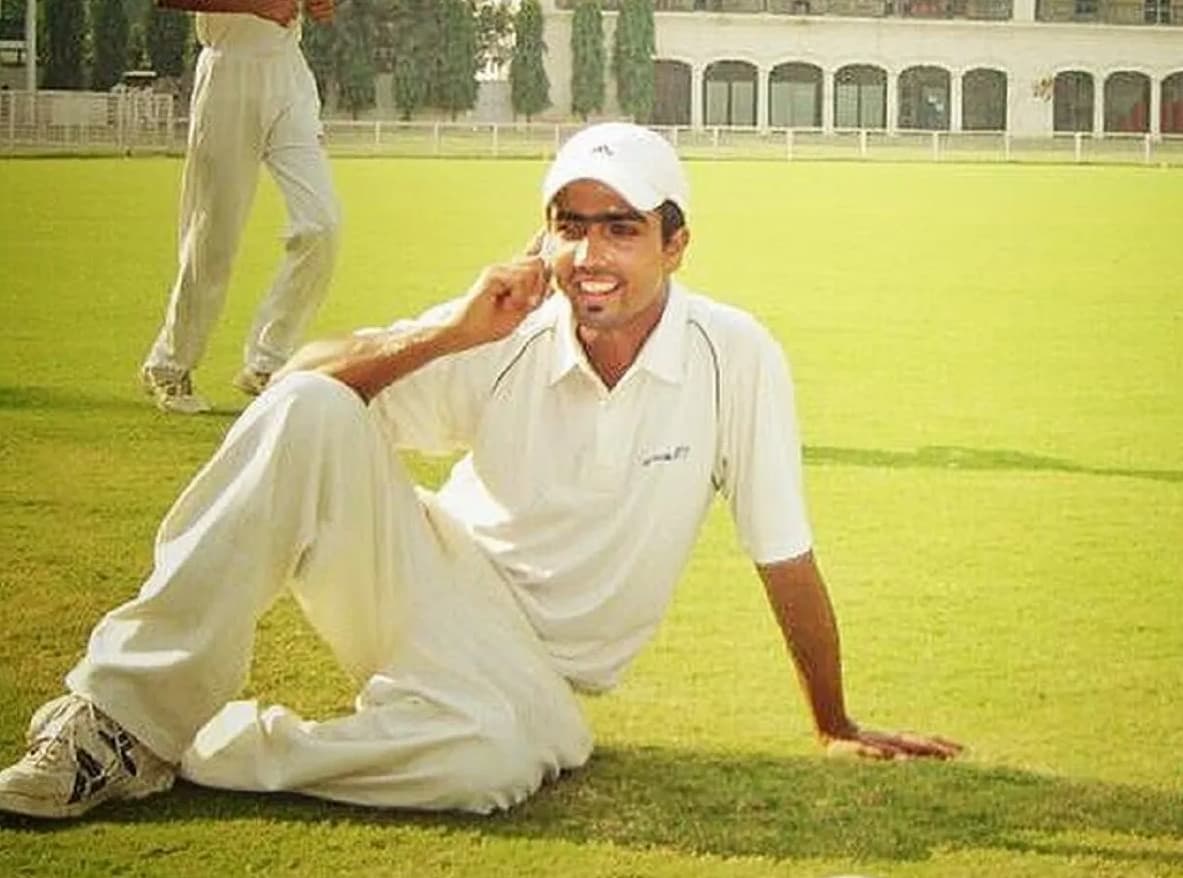
Let’s explore the cricket career that almost was, the numbers that proved his talent, and the injury that changed everything.
Did You Know? Hardik Pandya Net Worth
The Boy from Patiala Who Dreamed of Fast Bowling
Hardavinder Singh Sandhu was born on September 6, 1986, in Patiala, Punjab — a city with deep cricket roots and a culture that breathes the sport.
Like countless Punjabi boys, young Harrdy grew up playing cricket in the streets, in school grounds, anywhere a ball could be thrown. But while other kids played casually, Harrdy was serious. Cricket wasn’t just fun for him — it was everything.
What sparked his passion?
He fell in love with fast bowling. The raw power. The aggression. The thrill of seeing stumps shattered or batsmen ducking away from bouncers.
His heroes were clear:
- Brett Lee — The Australian speedster whose pace terrified batsmen
- Zaheer Khan — India’s left-arm swing master who could move the ball both ways
Harrdy studied their bowling actions on television. He tried to copy their run-ups in his backyard. He dreamed of bowling with that same intensity, that same fire.
Early Signs of Talent:
By his early teenage years, coaches in Patiala’s cricket academies noticed something special about Harrdy:
- Natural pace for his age
- Good control of line and length
- Competitive spirit — he hated losing
- Work ethic that stood out even among dedicated players
He wasn’t the fastest bowler around, but he was smart. He understood angles. He could swing the ball. He built pressure through consistency rather than relying only on speed.
| Personal Information | Details |
|---|---|
| Full Name | Hardavinder Singh Sandhu |
| Date of Birth | September 6, 1986 |
| Place of Birth | Patiala, Punjab, India |
| Playing Role | Right-arm fast-medium bowler |
| Batting Style | Right-handed batsman |
| Cricket Career Years | 2004–2007 (approximately) |
| Teams Represented | Punjab, India Under-19 |
The Training Regimen:
Even as a teenager, Harrdy’s dedication was extraordinary. He would:
- Practice for hours in Patiala’s humid nets
- Stay after team sessions to work on specific deliveries
- Run laps to build stamina and fitness
- Study videos of professional bowlers
- Work on his yorkers and slower balls obsessively
Coaches described him as “sharp, confident, and always hungry to bowl the next over.”
That hunger would take him places most young cricketers only dream about.
Did You Know? What Is Impact Player in IPL
Hardy Sandhu Cricket Career Under 19: Training with Future Indian Stars
Harrdy’s talent didn’t go unnoticed. He was selected for the India Under-19 cricket team — one of the highest honors for any young cricketer in the country.
This is where his story gets truly fascinating.
The Hardy Sandhu cricket career under 19 phase, wasn’t just about playing youth cricket. It was about training and competing alongside players who would later become Indian cricket legends.
His teammates and competitors included:
- Virat Kohli — Who would become India’s captain and one of cricket’s greatest batsmen
- Shikhar Dhawan — India’s explosive left-handed opener
- Ravindra Jadeja — India’s premier all-rounder
- Rohit Sharma — Record-breaking batsman and future Indian captain
- Ishant Sharma — India’s tall pace bowler who played over 100 Tests
Imagine being in the same selection camps, the same practice nets, the same team meetings as these future superstars. That was Harrdy’s reality in the mid-2000s.
What This Exposure Meant:
Training with such elite talent taught Harrdy several crucial lessons:
- How to compete at the highest level
- How to handle pressure situations
- How to maintain focus when surrounded by exceptional players
- How to learn from watching the best
These experiences shaped not just his cricket but his entire approach to life and competition.
Also Check: Why CSK Was Banned for 2 Years
The Legendary England Under-19 Performance
One match from Harrdy’s Under-19 career stands out as a perfect example of his skill and temperament.
In a Youth Test match against England Under-19, Harrdy delivered a bowling performance that showcased everything he was capable of.
His figures:
| Statistic | Performance |
|---|---|
| Overs Bowled | 11 |
| Maiden Overs | 7 |
| Runs Conceded | 8 |
| Wickets | 0 |
Let that sink in for a moment.
Harrdy bowled 11 overs and gave away just 8 runs. He bowled 7 maiden overs — meaning 7 overs where the batsmen couldn’t score a single run.
Why This Performance Was Extraordinary:
For a fast bowler to maintain such control over 11 overs is remarkable. This wasn’t about raw pace — this was about:
- Perfect line and length
- Building pressure ball after ball
- Disciplined bowling without trying too hard
- Mental strength to maintain focus over a long spell
The Cruel Irony:
Despite this incredible spell of control, Harrdy didn’t take a wicket. Sometimes, cricket is unfair that way. But coaches and selectors saw something more important than wickets — they saw a bowler with the temperament to succeed at higher levels.
What Teammates Remember:
Players who were there recall Harrdy’s calm demeanor. While other young bowlers would get frustrated after not taking wickets, Harrdy just kept bowling in the right areas, trusting the process.
That maturity was rare for someone so young.
The Under-19 World Cup Dream
Harrdy was in serious contention for the Hardy Sandhu 2004 Under-19 cricket World Cup squad.
Selection camps were held in Pune and other cities. Dozens of talented youngsters competed for limited spots in the final squad.
- The Competition:
The mid-2000s were an incredibly rich period for Indian youth cricket. The talent pool was deep. Making the final World Cup squad required not just skill but also timing and luck.
- The Heartbreak:
After weeks of trials and camps, Harrdy narrowly missed out on final selection. He was close — agonizingly close — but not quite there.
- His Response:
Instead of giving up, this setback made him more determined. He focused on first-class cricket, knowing that strong domestic performances could still open doors to the Indian team.
The Under-19 World Cup dream didn’t materialize, but the first-class cricket door was opening.
First-Class Cricket: The Ranji Trophy Journey
In December 2005, Harrdy Sandhu achieved another major milestone — his first-class cricket debut for Punjab in the Ranji Trophy.
The Ranji Trophy is India’s premier domestic cricket competition, where state teams battle for supremacy and players showcase themselves for national selection.
Hardy Sandhu cricket team was from Punjab, one of India’s most cricket-passionate states. Playing for Punjab meant representing millions of fans who lived and breathed the sport.
His Debut Match:
- Opposition: Hyderabad
- Venue: Punjab Cricket Association Stadium, Mohali
- Date: December 2005
Playing at his home ground in front of home fans, Harrdy made his first-class debut. The nerves must have been enormous, but he approached the match with the calm focus that had become his trademark.
Complete Harrdy Sandhu Cricket Career Stats: The Numbers That Tell the Story
Here are the detailed statistics from Harrdy’s brief but impactful first-class career:
Bowling Statistics
| Statistic | Performance |
|---|---|
| Matches Played | 3 |
| Innings Bowled | 5 |
| Total Deliveries Bowled | 558 |
| Total Runs Conceded | 312 |
| Total Wickets Taken | 12 |
| Best Bowling Figures | 3/62 |
| Bowling Average | 26.00 |
| Economy Rate | 3.35 |
| Strike Rate | 46.5 |
Batting Statistics
| Statistic | Performance |
|---|---|
| Innings Batted | 3 |
| Total Runs Scored | 11 |
| Batting Average | 5.50 |
| Highest Score | Not specified |
Understanding These Numbers: Why They Matter
For those unfamiliar with cricket statistics, let’s break down what these numbers actually mean:
12 Wickets in 3 Matches
Average per match: 4 wickets
This is excellent for any bowler, especially a young one making his first-class debut. Most bowlers take 2-3 wickets per match on average. Harrdy was outperforming that significantly.
Bowling Average of 26.00
This means Harrdy gave away an average of 26 runs for every wicket he took.
Context:
- Excellent: Below 25
- Very Good: 25-30
- Good: 30-35
- Average: 35-40
Harrdy’s 26.00 falls in the “very good” category, especially for Indian pitches, which tend to favor batsmen.
Economy Rate of 3.35
Harrdy gave away 3.35 runs per over.
What this shows:
- Excellent control
- Ability to build pressure
- Not easy to score off
In modern first-class cricket where economy rates of 3.5-4.0 are common, Harrdy’s 3.35 showed exceptional discipline.
Strike Rate of 46.5
Harrdy took a wicket roughly every 46.5 balls (or every 7.75 overs).
Why this matters:
- Proves he was a wicket-taker, not just a containing bowler
- Shows attacking intent
- Demonstrates effectiveness in limited opportunities
Match-by-Match Breakdown
Though only three matches, each told a story:
Match 1: Punjab vs Hyderabad (Mohali, December 2005)
Harrdy’s Performance:
- Bowled long, disciplined spells
- Kept Hyderabad’s batsmen quiet
- Showed he belonged at the first-class level
Key Moment: His debut wicket — that first breakthrough that every cricketer remembers forever.
Match 2: Details Limited
Records from this match are sparse, but Harrdy continued building his wicket tally.
Match 3: Punjab vs Baroda (Vadodara, December 2005)
Harrdy’s Best Performance:
- Bowling Figures: 3/62 (his best in first-class cricket)
- Dismissed three experienced Baroda batsmen
- One of his victims was playing alongside future IPL star Yusuf Pathan
What Made This Special:
Taking three wickets against a strong Baroda batting lineup proved Harrdy could perform under pressure against quality opposition.
The subtle seam movement he generated troubled even experienced domestic batsmen who had seen thousands of deliveries.
Why Hardy Sandhu Left Cricket: The Injury That Changed Everything
In 2007, at just 20-21 years old, tragedy struck.
Harrdy suffered a serious elbow injury that would end his bowling career permanently.
The Timing Could Not Have Been Worse:
He was competing for spots in higher-level teams. His first-class career was just beginning. He had years of cricket ahead of him. Or so everyone thought.
The Medical Reality:
Elbow injuries are particularly devastating for fast bowlers. The elbow joint absorbs enormous stress during the bowling action, especially for pace bowlers generating force through their arm.
What Happened:
- The pain became unbearable
- He couldn’t bowl without severe discomfort
- Medical consultations were done
- Surgery was discussed but offered no guarantees
- Multiple opinions confirmed the worst: his bowling days were over
The Emotional Toll:
For someone whose entire identity revolved around cricket, this news was crushing. Imagine:
- All those years of practice — wasted?
- All those dreams — destroyed?
- All that potential — unfulfilled?
Harrdy later said: “I didn’t quit cricket, cricket left me.”
Those words capture the pain perfectly. This wasn’t a choice. It wasn’t about losing motivation or interest. His body simply couldn’t do what his heart desperately wanted.
The Depression Phase:
For months after the diagnosis, Harrdy struggled with:
- Loss of identity (Who am I if not a cricketer?)
- Loss of purpose (What do I do now?)
- Loss of community (His teammates, his routine, his world)
- Uncertainty about the future
He felt lost in a way few people can truly understand unless they’ve experienced similar setbacks.
The Lost IPL Dream: Hardy Sandhu Cricket Career IPL
The Indian Premier League launched in 2008 — just one year after Harrdy’s injury forced him to quit.
This timing is one of cricket’s cruelest ironies.
Why the IPL Would Have Been Perfect for Harrdy:
- 1. Young Indian Fast Bowler
The IPL desperately needed young Indian pace bowling talent. Teams paid premium prices for promising Indian fast bowlers.
- 2. Punjab Connection
Kings XI Punjab (now Punjab Kings) was his local franchise. As a Punjab-based player with local roots and following, Harrdy would have been an attractive pick.
- 3. Perfect Timing
He would have been 21-22 years old in 2008 — the ideal age to enter the IPL.
- 4. The Financial Impact
Even uncapped Indian bowlers in early IPL seasons earned ₹10-20 lakhs. Successful players earned crores.
What Could Have Been:
If healthy, the Hardy Sandhu cricket career IPL trajectory might have looked like:
- 2008-2010: Debut seasons with Punjab Kings
- 2011-2013: Establish himself as a regular
- 2014-2016: Become a key bowling asset
- 2017-2020: Potential India A or India call-up
But:
The injury happened one year too soon. The IPL riches, the fame, the opportunity — all arrived just as his body gave up on him.
Instead of T20 cricket under lights, Harrdy’s life took a completely different turn.
Memorable Moments from the Cricket Days
Despite the short career, several moments stayed with Harrdy forever:
Bowling to MS Dhoni
In a selection trial or practice match, Harrdy got the opportunity to bowl to MS Dhoni, who was already recognized as a dangerous hitter and future star.
Why This Mattered:
Bowling to someone of Dhoni’s caliber tests everything:
- Your nerve under pressure
- Your tactical thinking
- Your belief in your skills
- Your ability to execute under scrutiny
Harrdy later said this experience taught him to focus and deliver each ball with belief, no matter who’s facing him.
- The Lesson:
That pressure-situation experience on cricket fields later helped him perform on music stages in front of thousands of fans.
- The England Under-19 Spell
That 11-over spell, conceding just 8 runs, remained a career highlight — proof of his discipline and control.
- Taking 3 Wickets Against Baroda
His best first-class figures (3/62) came against a strong Baroda lineup, including players who went on to bigger careers.
- Training with Future Indian Stars
Being in the same camps as Kohli, Dhawan, Jadeja, and others gave him perspective on what elite cricket required.
Hardy Sandhu Is a Cricketer: The Identity That Never Left
Even today, with massive success in music and films, Hardy Sandhu is a cricketer at heart.
How Cricket Shows in His Current Life:
- 1. Discipline
His work ethic in music mirrors his cricket training — hours of practice, attention to detail, never settling.
- 2. Performance Under Pressure
Performing live in front of thousands uses the same mental skills as bowling in pressure situations.
- 3. Team Mentality
He’s known in the music industry for being collaborative and humble — traits learned in team sports.
- 4. Fitness Focus
He maintains athletic fitness levels unusual for musicians — a legacy of his cricket days.
- 5. Competitive Spirit
He approaches his music career with the same hunger to win that he brought to cricket.
- What He Says:
In interviews, Harrdy often talks about his cricket past. He doesn’t hide it or downplay it. He’s proud of those years, even though they ended in heartbreak.
He attends cricket matches. He plays celebrity charity cricket. He follows IPL religiously. Cricket never left his blood.
Hardy Sandhu Cricket Photo: Visual Evidence of the Forgotten Chapter
For music fans who only know Harrdy as a singer, seeing a Hardy Sandhu cricket photo is shocking.
What These Rare Photos Show:
- Young Harrdy in Punjab’s white cricket kit
- Action shots of him in his bowling delivery stride
- Team photos with future Indian cricket stars
- His athletic build and intense expression
Where to Find Them:
These photos occasionally surface on:
- Old cricket fan pages
- Punjab cricket archives
- Sports journalism throwback features
- Harrdy’s own social media during nostalgic posts
Why They Matter:
These images are proof of the parallel universe that almost was. They show a version of Harrdy Sandhu that could have been — the fast bowler instead of the music star.
They remind us that life’s paths can change dramatically based on circumstances beyond our control.
The Transition: From Cricket Nets to Recording Studios
After accepting cricket was over, Harrdy faced the terrifying question: What now?
The Dark Period:
For months, he had no answer. He was:
- Depressed about losing cricket
- Uncertain about the future
- Without a clear direction or backup plan
- Struggling with an identity crisis
The Music Seed:
Harrdy had always enjoyed music casually, but never seriously. After the injury, a friend suggested he try singing.
At first, it seemed ridiculous. Music was saturated with talent. How could he compete with no formal training?
But:
Harrdy approached music the same way he approached cricket — with absolute dedication.
The 18-Month Training:
He spent 18 months training his voice:
- Voice lessons with professional instructors
- Music theory education
- Hours of daily practice
- Learning instruments
- Understanding rhythm and composition
The Similarities:
Cricket and music require surprisingly similar qualities:
| Cricket Skills | Music Skills |
|---|---|
| Rhythm in bowling action | Rhythm in singing |
| Timing of delivery | Timing in performance |
| Hours of practice | Hours of practice |
| Performance under pressure | Stage performance |
| Building to climax | Building song emotion |
| Reading situations | Reading audiences |
The discipline he learned from bowling fast helped him master singing well.
Harrdy Sandhu Cricket Career Stats: Career Summary and Final Analysis
Let’s look at the complete picture one final time:
| Category | Details |
|---|---|
| Career Span | 2004-2007 (approximately 3-4 years) |
| Age at Debut | 19 years old |
| Age When Career Ended | 20-21 years old |
| Total First-Class Matches | 3 |
| Total Wickets | 12 |
| Bowling Average | 26.00 |
| Economy Rate | 3.35 |
| Strike Rate | 46.5 |
| Best Figures | 3/62 |
| Teams Represented | Punjab (Ranji Trophy), India Under-19 |
| Career-Ending Factor | Elbow injury (2007) |
| Post-Cricket Transition | 18 months of vocal training → Music career |
Statistical Analysis:
The Harrdy Sandhu cricket career stats show genuine promise despite the tiny sample size:
- 4 wickets per match (excellent average)
- 26.00 bowling average (very good for Indian conditions)
- 3.35 economy (exceptional control)
- 46.5 strike rate (regular wicket-taker)
What These Numbers Suggest:
If Harrdy had played 50+ first-class matches over 5-7 years, projecting his numbers forward suggests he could have:
- Taken 200+ first-class wickets
- Maintained a bowling average in the 27-30 range
- Become a reliable Punjab stalwart
- Possibly earned an India A selection
- Had an outside chance at the Indian team selection
The Cruel Reality:
We’ll never know how far his talent could have taken him. Three matches are too small a sample to definitively project a career. But the signs were undeniably positive.
Lessons from the Harrdy Sandhu Journey
Harrdy’s story teaches powerful life lessons:
- 1. Setbacks Don’t Have to Be Endings
The injury ended cricket but opened music. What seemed like total devastation became the doorway to unexpected success.
- 2. Skills Transfer Across Disciplines
Cricket discipline became a music discipline. Athletic training became performance training. Competitive spirit remained competitive spirit.
- 3. Identity Can Evolve
Harrdy went from “cricketer” to “singer” — proving we can reinvent ourselves completely and succeed.
- 4. Small Samples Can Still Show Quality
Just three matches, but those 12 wickets at 26.00 proved he had genuine talent. You don’t need longevity to demonstrate ability.
- 5. How You Handle Failure Defines You
Harrdy could have stayed bitter about the injury. Instead, he found a new purpose. His response to setbacks defined his eventual success.
Why This Story Resonates Today?
The Harrdy Sandhu cricket career stats story matters because:
- For Athletes:
It shows that career-ending injuries aren’t life-ending catastrophes. New paths exist if you’re willing to explore them.
- For Musicians:
It proves you don’t need traditional music backgrounds to succeed. Discipline from any field can lead to artistic excellence.
- For Everyone:
It demonstrates that our biggest setbacks can redirect us toward better destinations than we originally imagined.
Frequently Asked Questions
- Did Hardy Sandhu play IPL?
No. The Hardy Sandhu cricket career IPL dream never materialized because his career-ending injury occurred in 2007, one year before the IPL’s 2008 launch.
- What are Hardy Sandhu’s complete cricket statistics?
He played 3 first-class matches, took 12 wickets at an average of 26.00, with an economy rate of 3.35 and strike rate of 46.5. His best bowling figures were 3/62.
- Why did Hardy Sandhu quit cricket?
A serious elbow injury in 2007 forced him to quit. Medical advice was clear — continuing to bowl would cause permanent damage, and surgery offered no guarantee of full recovery.
- Which cricket team did Hardy Sandhu play for?
He represented the Punjab cricket team in the Ranji Trophy and was selected for the India Under-19 cricket team.
- Did Hardy Sandhu play with Virat Kohli?
Yes. During Under-19 selection camps and training sessions, Hardy trained alongside future Indian stars including Virat Kohli, Shikhar Dhawan, Ravindra Jadeja, and Rohit Sharma.
Final Reflection: The Road Not Taken
The Harrdy Sandhu cricket career stats will forever remain incomplete — a fragment of what could have been, a glimpse of potential cut tragically short.
- 3 matches. 12 wickets. 26.00 average.
These numbers don’t fill record books. They don’t earn Hall of Fame plaques. They don’t win Man of the Match awards.
But they represent something more valuable — they show that Harrdy had real talent, genuine promise, and the dedication to succeed at the highest level.
- The Bigger Picture:
Harrdy took the discipline, work ethic, and competitive fire he developed on cricket fields and channeled them into recording studios and concert stages.
He approached singing with the same seriousness he once gave to fast bowling. Hours of practice. Attention to detail. Never settling for good enough. Performing under pressure.
- From Wickets to Hits:
The boy who once dreamed of taking wickets in packed stadiums now plays sold-out concerts in those same stadiums.
The athlete who bowled with rhythm and precision now sings with the same qualities.
The competitor who hated losing matches now competes on music charts.
- The Universal Truth:
Your first dream doesn’t have to be your only dream. Your first career doesn’t define your entire life. When one door closes — sometimes violently and unfairly — other doors wait to be opened.
- For Young Athletes Facing Injury:
If you’re reading this while dealing with a career-threatening injury, remember Harrdy’s journey. Cricket ended, but life didn’t. Purpose continued, just in a different form.
Your athletic discipline, your competitive spirit, your work ethic — these transfer. These have value beyond sports. These can build success in any field you choose.
- For Music Fans:
The next time you hear Harrdy Sandhu’s voice on the radio, remember that voice once counted wickets, not streams.
Remember that before he topped the charts, he took three wickets against Baroda. Remember that his rhythm comes partly from a bowling action perfected in Patiala’s nets.
The Final Word:
The Harrdy Sandhu cricket career stats tell a story of potential interrupted but not destroyed, of dreams deferred but not defeated, of a journey that changed direction but never lost its purpose.
From fast bowler to music superstar, from cricket fields to concert halls, Harrdy Sandhu proved that passion finds a way — even when the path changes completely.
His cricket career may have been short, but its impact echoes in everything he does today. The hunger never died. It just found a new field to play on.
About the Author
