The term “godfather of cricket” represents more than statistical dominance.
It signifies leadership, influence, and era-defining impact that transcends boundaries.
Throughout cricket history, certain players have shaped the game’s evolution.
Their contributions extend beyond personal records to cultural transformation and strategic innovation.
This title remains subjective, varying across formats, generations, and cricketing nations.
Understanding who deserves this recognition requires examining multiple dimensions of greatness.
Godfather of Cricket
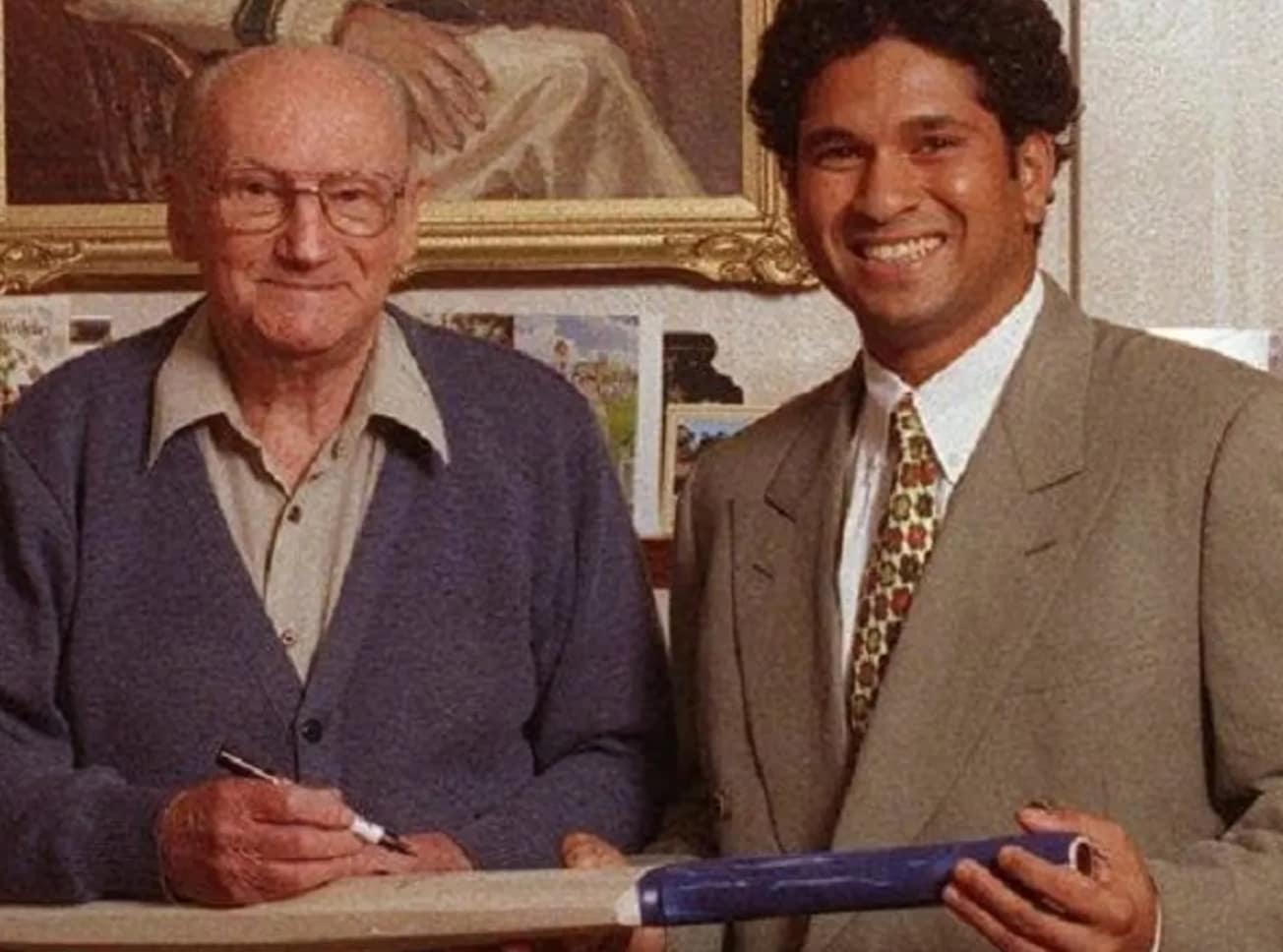
Godfather of Cricket – List
| Player | Country | Primary Era | Formats Dominated | Why Considered Godfather |
|---|---|---|---|---|
| Sir Donald Bradman | Australia | 1928–1948 | Test | Unmatched batting dominance |
| Sachin Tendulkar | India | 1989–2013 | Test, ODI | Longevity and global impact |
| MS Dhoni | India | 2004–2019 | ODI, T20, IPL | Leadership and trophies |
What Does “Godfather of Cricket” Truly Mean?
The godfather of cricket concept extends beyond individual performance metrics. It encompasses transformational influence and lasting cultural impact.
- Beyond Statistics
Raw numbers provide an incomplete context for evaluating cricket legends. Match-winning ability, consistency under pressure, and clutch performances define true greatness.
Career longevity across changing conditions separates good players from generational icons. Statistical excellence must align with cultural resonance and strategic innovation.
- Era-Defining Influence
Certain players fundamentally alter cricket’s tactical landscape. Their approaches force rule modifications, inspire new playing styles, and shift team strategies.
Leadership during transitional periods shapes cricket’s evolution. These figures introduce fitness standards, professional attitudes, and mental conditioning frameworks.
- Cultural & Global Impact
The godfather of cricket transcends national boundaries. Recognition across diverse cricketing cultures validates universal influence.
Their legacy inspires future generations worldwide. Media presence, commercial value, and diplomatic contributions amplify their sporting achievements.
Key Criteria to Be the Godfather
Several factors determine who qualifies for this prestigious recognition.
- Legacy Across Generations
Enduring influence outlasts playing careers. Former players whose philosophies shape current strategies demonstrate lasting impact.
Younger cricketers citing specific legends as inspirations validates transgenerational relevance. Legacy extends through coaching, commentary, and administrative roles.
- Multi-Format Excellence
Dominance across Test, ODI, and T20 formats demonstrates complete mastery. Adapting techniques to varying game conditions proves versatility.
Format specialization can also create godfather status within specific domains. Test purists and limited-overs revolutionaries both contribute distinctly.
- Leadership On and Off Field
Captaincy success through major tournament victories establishes credentials. Team culture transformation and personnel development extend leadership impact.
Off-field mentorship, charitable work, and institutional contributions strengthen the legacy. Crisis management and controversy handling reveal character depth.
Global Recognition
International acclaim from opponents, media, and cricket boards validates the significance. Cross-border popularity indicates universal appeal.
Awards, honorary positions, and peer recognition quantify global standing. Influence on cricket’s spread to non-traditional markets matters significantly.
Sportsmanship and Mentorship
Ethical conduct during intensely competitive situations builds respect. Fair play advocacy and graceful responses to adversity enhance reputation.
Developing younger talent through guidance and example creates multiplier effects. Sportsmanship legacies often outlast performance records.
Pioneers of the Title: The Founding Fathers of Cricket
| Player | Era | Primary Format | Key Achievement |
|---|---|---|---|
| Sir Donald Bradman | 1928–1948 | Test | 99.94 Test average |
| Sachin Tendulkar | 1989–2013 | Test, ODI | 100 international centuries |
List of Pioneers of the Title: The Founding Fathers of Cricket
- Sir Donald Bradman (Australia)
Bradman’s 99.94 Test average remains statistically untouchable across all sports. His dominance during 1928-1948 created performance benchmarks still referenced today.
Playing without modern protective equipment or analytical support, his consistency defied comprehension. The gap between his average and contemporaries exceeded any modern differential.
His influence established Australia’s cricketing culture and competitive standards. Bradman’s legacy shaped Test cricket’s identity as the ultimate format.
- Sachin Tendulkar (India)
Tendulkar’s 24-year international career spanned cricket’s greatest transformation period. His 100 international centuries and 34,000+ runs define longevity excellence.
Adapting from aggressive 1990s cricket through defensive 2000s strategies to T20’s emergence showcased versatility. Many asking who is godfather of cricket cite his comprehensive dominance.
His cultural impact in India transformed cricket into a unifying national passion. Commercial success and dignified conduct established modern player standards.
Modern God Fathers of Cricket Across Formats
- MS Dhoni: The Captain Cool & IPL Maestro
Dhoni’s trophy cabinet includes the 2007 T20 World Cup, 2011 ODI World Cup, and 2013 Champions Trophy. His finishing prowess revolutionized lower-order batting expectations.
Five IPL titles with Chennai Super Kings established franchise cricket’s leadership blueprint. Strategic calmness under extreme pressure became his trademark characteristic.
His mentorship shaped numerous Indian cricket careers. Transitioning from international cricket with grace demonstrated leadership beyond personal achievement.
- Virat Kohli: The Modern Firebrand
Kohli transformed cricket’s fitness and preparation standards. His aggressive yet disciplined approach redefined chase mastery in limited-overs cricket.
Fastest to multiple ODI milestones demonstrated consistency across conditions. His passionate on-field demeanor inspired younger cricketers toward professional intensity.
Kohli’s adaptability across formats maintained excellence throughout format evolution. Commercial influence and global recognition expanded cricket’s mainstream appeal.
- Don Bradman: Beyond Statistics
Raw numbers provide an incomplete context for evaluating cricket legends, as the godfather of cricket embodies cultural significance beyond performance metrics.
Match-winning ability, consistency under pressure, and clutch performances define true greatness.
Bradman represented hope for Australians during the Great Depression and World War II, when everything seemed dark; watching Bradman bat gave people joy and pride.
Career longevity across changing conditions separates good players from generational icons, while statistical excellence must align with cultural resonance and strategic innovation.
Godfather of Cricket in Test Matches
- Rahul Dravid
Dravid’s dependability earned him “The Wall” recognition. His overseas performances in challenging conditions provided India with crucial stability.
13,000+ Test runs without flamboyance proved consistency’s value. Current coaching success demonstrates knowledge transfer to new generations.
- Steve Waugh & Ricky Ponting
Waugh’s mental toughness transformed Australian cricket culture. His leadership during the late 1990s established dominance foundations.
Ponting extended this era with ruthless efficiency. Combined, they shaped Test cricket’s most successful national period.
Their strategic innovations influenced modern captaincy approaches. Australian cricket’s competitive standards remain its lasting contribution.
Godfather of Cricket in ODI Matches
- Sourav Ganguly
Ganguly’s captaincy transformed Indian cricket’s self-perception. His fearless approach ended subservient attitudes toward stronger opponents.
Developing younger talent through aggressive backing created future leaders. Cultural shift toward competitive confidence remains his primary legacy.
- AB de Villiers
De Villiers revolutionized ODI batting through innovative shot selection. His 360-degree approach expanded scoring possibilities across formats.
Adaptability across batting positions and conditions demonstrated complete mastery. Despite limited captaincy, his tactical influence shaped modern batting.
- Yuvraj Singh
Yuvraj’s 2011 World Cup performance under cancer treatment demonstrated extraordinary resilience. His six sixes against England created T20 cricket’s iconic moment.
Big-match temperament and finishing ability defined crucial tournament contributions. His comeback story inspired beyond statistical achievements.
Godfather of Cricket in T20I Matches
| Player | Role | T20I Impact | Franchise Influence |
|---|---|---|---|
| MS Dhoni | Finisher/Captain | World Cup winner | CSK legacy |
| Chris Gayle | Power Hitter | Game-changing starts | Global T20 leagues |
Global Icons Beyond Borders
Cricket’s global nature produces legends across multiple nations.
- Brian Lara – Record-breaking flair
Lara’s 400 not out remains Test cricket’s individual innings record. His attacking style elevated West Indies cricket during transitional periods.
- Wasim Akram – Fast bowling revolution
Akram’s swing bowling mastery created new standards for pace bowling. His yorker execution influenced modern death bowling strategies.
- Jacques Kallis – Complete all-round excellence
Kallis combined 13,000+ Test runs with 292 wickets. His all-round dominance rarely receives proportional recognition.
- Kumar Sangakkara – Elegance and leadership
Sangakkara’s technical excellence and wicketkeeping skills demonstrated versatility. His leadership elevated Sri Lankan cricket’s global standing.
These figures represent the godfather of cricket in world contexts, proving excellence transcends geography. Their contributions shaped cricket’s universal language and competitive standards.
Godfather of IPL
- MS Dhoni: The Undisputed Baap of IPL
Dhoni’s Chennai Super Kings captaincy produced five titles across different eras. Consistency through auction changes and squad rebuilds demonstrated adaptability.
Finals record and elimination match performances defined clutch leadership. Strategic decisions during crucial moments became teaching examples.
- Rohit Sharma: Calm Under Fire
Sharma’s five Mumbai Indians titles match Dhoni’s championship success. Tactical clarity and player management created sustained excellence.
His calm demeanor under pressure mirrored Dhoni’s approach. Developing younger talent through backing established leadership credentials.
- Virat Kohli: Heart & Soul
Kohli’s Royal Challengers Bangalore loyalty despite trophy absence demonstrates commitment. Consistent individual performances maintained franchise relevance.
Fan connection and passionate leadership created a unique franchise identity. His RCB journey represents dedication beyond championship success.
The Verdict: Who Is the True Godfather of Cricket?
Determining who is the godfather of cricket requires format and era segmentation. No single figure dominates across all evaluation criteria.
Test cricket’s godfather remains Sir Donald Bradman based on statistical dominance. Sachin Tendulkar’s cross-format longevity creates the strongest overall case.
Who is the godfather of cricket now focuses on contemporary influence. MS Dhoni’s leadership legacy and multi-format impact position him prominently.
Format specialization creates multiple valid answers. Virat Kohli’s modern influence and Rohit Sharma’s limited-overs success warrant consideration.
FAQs
- Who is called the Godfather of Cricket?
MS Dhoni and Sachin Tendulkar receive this recognition most frequently. Format preferences and era focus influence individual perspectives.
- Can there be multiple godfathers?
Different formats and generations produce distinct godfathers. Cricket’s evolution across eras validates multiple simultaneous claimants.
- Is the title official or symbolic?
The godfather of cricket remains entirely symbolic. No cricket board or organization officially designates this recognition.
Conclusion
The godfather of cricket concept evolves with cricket’s transformation.
Historical figures like Bradman established foundational standards.
Format-specific influence creates specialized godfathers.
Test cricket, ODIs, T20s, and IPL each produce format-defining legends.
Era-wise godfathers reflect cricket’s changing dynamics.
Modern fitness standards, tactical innovations, and commercial pressures create new evaluation criteria.
The title’s fluidity ensures cricket’s legacy honors past achievements while recognizing current excellence.
Future generations will continue debating worthy candidates.
About the Author
