The T20 World Cup 2026 has produced cricket that rewards skill over brute force.
Challenging pitch conditions across India and Sri Lanka have shifted the balance firmly toward batters with strong technique, precise placement, and controlled strokeplay.
On surfaces offering turn and movement, timing the ball through the gaps has proven far more effective than relying on power-hitting alone.
The batsmen with most fours in T20 World Cup 2026 reflect exactly this shift — their boundary count tells the story of adaptability, temperament, and technical quality.
Batsmen with Most Fours in T20 World Cup 2026
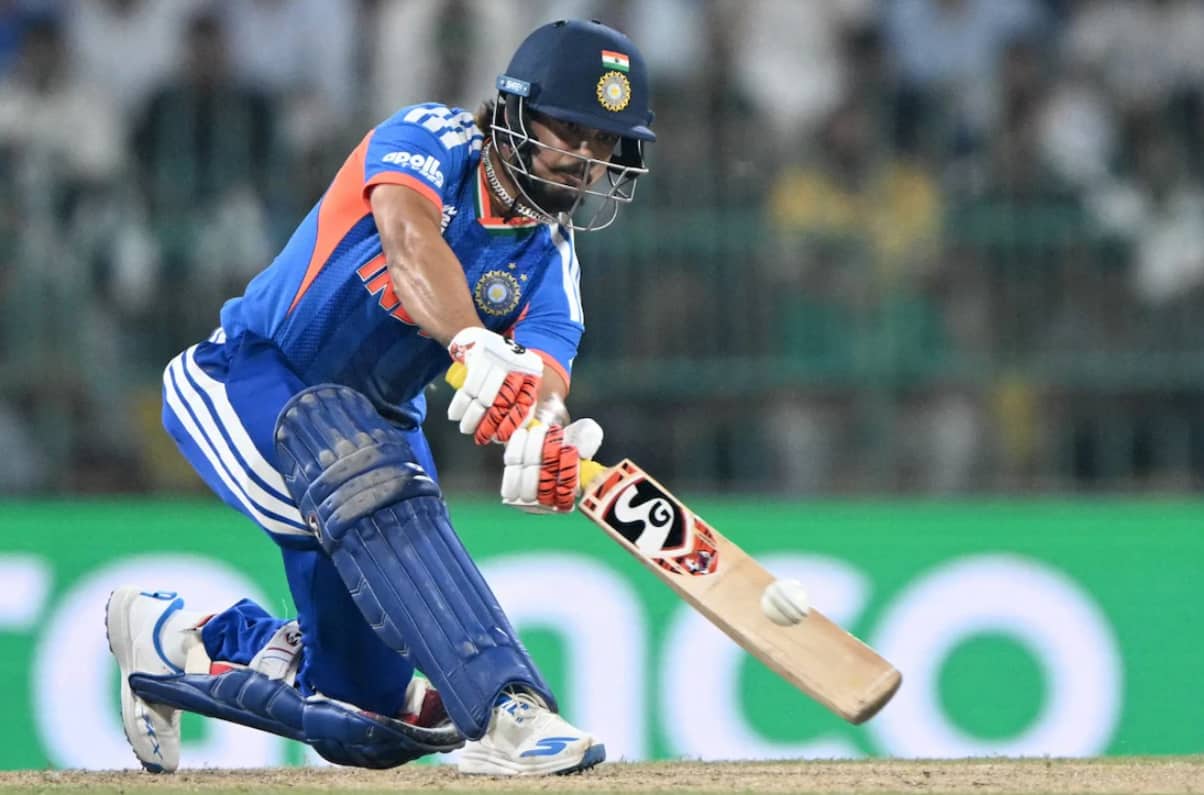
This article ranks the top five four-scorers from the tournament’s group stage.
Top 5 Batsmen with Most Fours in T20 World Cup 2026
| Rank | Player | Team | Matches | Runs | Fours | Best Score |
|---|---|---|---|---|---|---|
| 1 | Tim Seifert | New Zealand | 2 | 154* | 21 | 89* |
| 2 | Aiden Markram | South Africa | 2 | 140+ | 19 | 90+ |
| 3 | Kusal Mendis | Sri Lanka | 3 | 170+ | 18 | 61 |
| 4 | Ishan Kishan | India | 2 | 138 | 17 | 77 |
| 5 | George Munsey | Scotland | 3 | 100+ | 17 | 84 |
On slow, tacky surfaces where aerial hitting risks mis-hits, fours hit along the ground through precise placement carry more value than sixes.
The batsmen with most fours in T20 World Cup 2026 have consistently exploited gaps, used the pace of the ball, and targeted specific areas — hallmarks of technical batting dominance rather than raw power.
This trend also signals a broader shift in T20 batting. When the pitch removes margin for error, players who read line, length, and field placements early become the most dangerous boundary-scorers in the tournament.
All Batsmen with the Most Fours in the T20 World Cup 2026
Tim Seifert (New Zealand) – 21 Fours
Seifert’s 65 off 42 balls against Afghanistan in Chennai steadied New Zealand after two early wickets and neutralised the Afghan spinners effectively. He followed that up with an unbeaten 89 against the UAE, sharing an opening stand with Finn Allen to seal a 10-wicket win. His ability to punch through the off side and work the ball square off his legs has been particularly effective on turning tracks. Seifert’s 21 boundaries make him the clear leader among batsmen with most fours in ICC T20 World Cup this year.
Aiden Markram (South Africa) – 19 Fours
The South Africa captain struck 10 fours against Canada in the tournament opener, asserting dominance from ball one. He then added 8 more boundaries against New Zealand, demonstrating that his form was no fluke. Markram’s batting has been defined by controlled aggression — he identifies the right ball early and punishes it without taking unnecessary risks. His consistency at the top of the order has been a primary reason for South Africa’s unbeaten run through the group stage.
Kusal Mendis (Sri Lanka) – 18 Fours
Mendis has been Sri Lanka’s most reliable batter, scoring three consecutive fifties across their opening group matches. His first innings contribution was an unbeaten 56 built on five boundaries, followed by a 61 with seven fours that showcased his placement skills against spin. His most important outing came against Australia, where his six fours played a pivotal role alongside Pathum Nissanka’s century in helping Sri Lanka seal Super 8 qualification. Smart shot selection and a deep understanding of field placements have defined his campaign.
Ishan Kishan (India) – 17 Fours
Kishan has provided India with explosive powerplay starts throughout the group stage. His 77 off 40 balls against Pakistan on a tacky surface — which included 10 fours — was the standout innings of his campaign, combining timing with smart rotation on a difficult pitch. He backed that up with a 61 against Namibia, featuring six more boundaries. Among the batsmen with most fours in T20 World Cup 2026, Kishan’s innings have been notable for the consistency of his timing rather than aerial hitting.
George Munsey (Scotland) – 17 Fours
Munsey’s 84 off 54 balls against Italy, which included 13 boundaries, was one of the tournament’s most commanding opening innings from an Associate nation. He carried Scotland’s batting unit with assurance and helped them dominate that contest from the first over. However, against stronger opposition in the West Indies and England, he managed just four combined fours — highlighting Scotland’s heavy reliance on him and the gap that remains against top-tier attacks.
Conclusion:
The T20 World Cup 2026 has made one thing clear: technique and timing are rewarded above all else when conditions challenge batters.
The batsmen with most fours in T20 World Cup 2026 — Seifert, Markram, Mendis, Kishan, and Munsey — each represent a brand of batting built on reading conditions, exploiting gaps, and maintaining form across multiple matches.
- Slow pitches rewarded timing over power-hitting throughout the group stage
- Power-hitters struggled to clear the boundary consistently on low, turning tracks
- Associate teams competed strongly, with Munsey standing out as a genuine tournament performer
- Technical batters dominated boundary-scoring charts through placement and skill
- Super 8 race intensifying, with in-form batters set to play an even bigger role
Also Check:
- Most Expensive Five Wicket Hauls in T20I Cricket
- Most Wins for Associate Teams in the T20 World Cup
- Most Expensive Players in WPL History
- Most Stumpings By A Wicketkeeper in Test Cricket
- Most Sixes by a Team in a T20I Innings
About the Author
