Cricket Australia continues to operate one of the most structured payment systems in world cricket.
The 2025-26 cycle has introduced contract upgrades alongside notable inclusions in the centrally contracted squad.
This financial framework covers retainer fees, match payments across formats, and performance-based incentives.
The Australian cricket players salary 2026 structure reflects Cricket Australia’s commitment to both experienced performers and emerging talent.
Australian Cricket Players Salary 2026-27
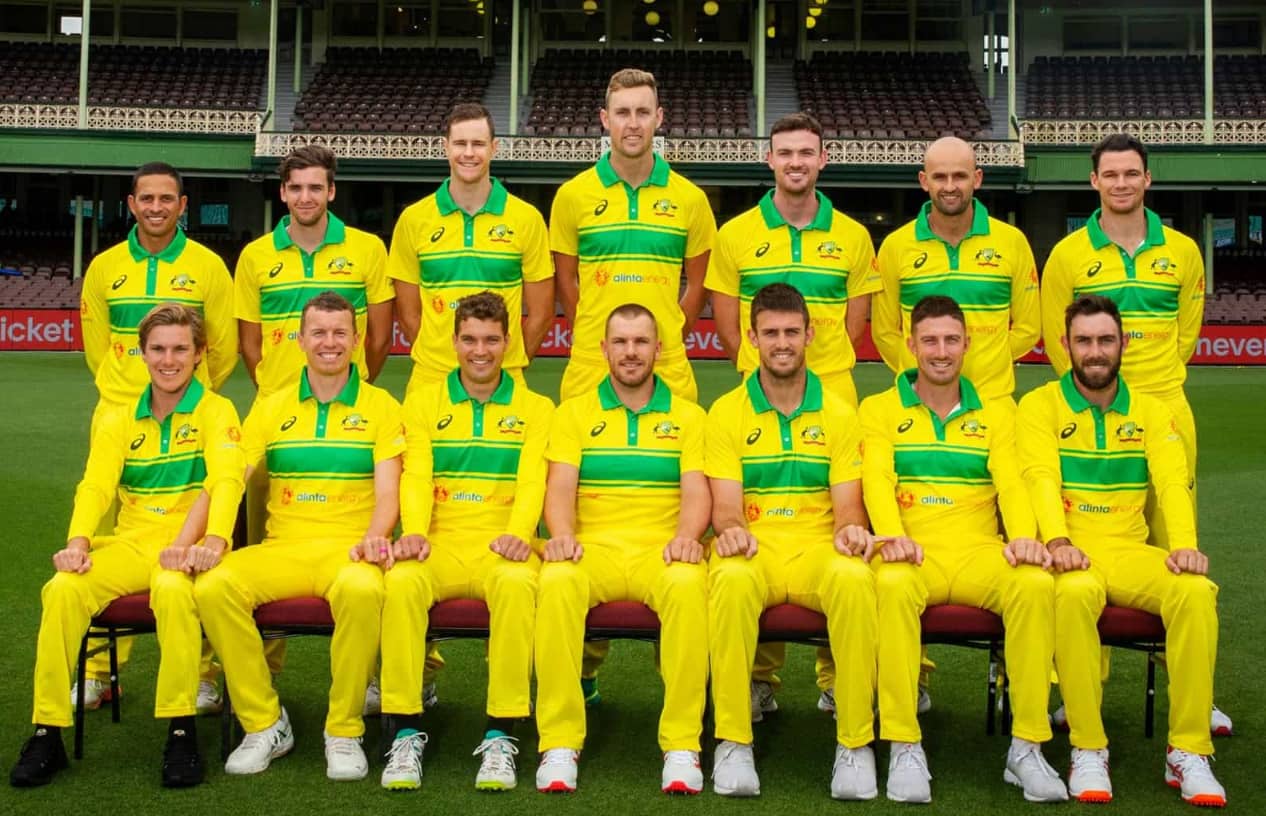
Understanding how these contracts work requires examining the points system, match fee breakdowns, and additional income streams beyond central agreements.
Australian Cricket Players Salary List 2025-26
| Player Name | Retainer Fee | Test Fee | ODI Fee | T20I Fee |
|---|---|---|---|---|
| Pat Cummins | $2 million | $20,000 | $15,000 | $10,000 |
| Josh Hazlewood | $1.6 million | $20,000 | $15,000 | $10,000 |
| Mitchell Starc | $1.4 million | $20,000 | $15,000 | $10,000 |
| Steve Smith | $1.3 million | $20,000 | $15,000 | $10,000 |
| Marnus Labuschagne | $1.2 million | $20,000 | $15,000 | $10,000 |
| Nathan Lyon | $1.1 million | $20,000 | $15,000 | $10,000 |
Pat Cummins remains the highest-paid Australian cricketer with a $2 million annual retainer.
His captaincy across formats adds a $200,000 bonus to his base contract.
The Australian Cricket Players Salary structure prioritizes Test specialists and all-format players.
Fast bowlers dominate the top earners list, reflecting their workload and match-winning impact across conditions.
Australia’s Centrally Contracted Players List (2025-26)
| No. | Player Name |
|---|---|
| 1 | Xavier Bartlett |
| 2 | Scott Boland |
| 3 | Alex Carey |
| 4 | Pat Cummins |
| 5 | Nathan Ellis |
| 6 | Cameron Green |
| 7 | Josh Hazlewood |
| 8 | Travis Head |
| 9 | Josh Inglis |
| 10 | Usman Khawaja |
| 11 | Sam Konstas |
| 12 | Matthew Kuhnemann |
| 13 | Marnus Labuschagne |
| 14 | Nathan Lyon |
| 15 | Mitchell Marsh |
| 16 | Glenn Maxwell |
| 17 | Lance Morris |
| 18 | Jhye Richardson |
| 19 | Matt Short |
| 20 | Steve Smith |
| 21 | Mitchell Starc |
| 22 | Beau Webster |
| 23 | Adam Zampa |
Cricket Australia has named 23 players under the Australian Cricket Players Salaries framework for March 2025 to February 2026.
Notable additions include Sam Konstas following his Test debut series and Beau Webster after consistent all-round performances.
The squad balances established players like Steve Smith and Nathan Lyon with emerging fast bowlers Lance Morris and Xavier Bartlett.
Sean Abbott, Todd Murphy, and Aaron Hardie have not been included this cycle.
How does the Central Contract System work?
- Points-Based Evaluation System
Cricket Australia assigns points based on match participation. Test matches carry 5 points, ODIs earn 2 points, and T20Is provide 1 point per game.
- Automatic Contract Upgrade Rule
Non-contracted players who accumulate 12 points within 12 months automatically qualify for contract consideration. This ensures consistent performers receive recognition regardless of initial selection.
- Selectors’ Role in Contracts
National selectors forecast player involvement across upcoming series and tournaments. They identify cricketers expected to feature regularly in the national setup before finalizing the contracted list.
Match Fees Breakdown
| Format | Match Fee |
|---|---|
| Test | $20,000 |
| ODI | $15,000 |
| T20I | $10,000 |
The Australian Cricket Players Match Fees structure prioritizes Test cricket with the highest per-match payment.
Players appearing in all three formats earn cumulative income from both retainers and match appearances throughout the season.
Earnings Beyond Central Contracts
- Domestic League Income (BBL)
The Big Bash League provides additional annual income ranging from $50,000 to $340,000 based on player category. Top-tier players with platinum contracts earn maximum BBL payments.
- Overseas Franchise Leagues (IPL, WPL, Hundred)
Australian players command high auction prices in the Indian Premier League. Pat Cummins earned over ₹20 crore in IPL 2024, while Glenn Maxwell and Mitchell Starc also secured multi-million dollar contracts.
- ICC Tournament Bonuses
Cricket Australia distributes performance bonuses for ICC events, including World Cups and World Test Championship finals. The 2023 WTC victory resulted in significant bonus payments for the playing XI.
- Brand Endorsements
Leading Australian cricketers sign endorsement deals with sports brands, automobile companies, and financial institutions. The Australian Cricket Players Earnings include these commercial partnerships alongside playing contracts.
Why Central Contracts Matter?
- Financial Stability for Players
Annual retainers guarantee baseline income independent of match selection. This allows players to focus on performance without financial uncertainty during injury or form slumps.
- Format-Specific Role Recognition
The Australian Cricket Players Central Contract system rewards specialists across formats. Nathan Lyon’s Test focus and Adam Zampa’s white-ball expertise both receive appropriate compensation.
- Long-Term Team Continuity
Contracted players commit to national duties over conflicting domestic opportunities. This ensures availability for bilateral series and major tournaments throughout the contract period.
- Pathway for Young Players
The points-based upgrade system motivates non-contracted players. Consistent international performances lead to financial rewards without waiting for annual contract renewals.
Australian Women Cricketers Salary 2026
| Player Name | Primary Income Source | Estimated Annual Earnings |
|---|---|---|
| Ellyse Perry | CA Contract + WPL + Endorsements | $1.2 million+ |
| Ash Gardner | CA Contract + WPL | $1.1 million+ |
| Alyssa Healy | CA Contract + WPL + Hundred | $1 million+ |
| Annabel Sutherland | CA Contract + WPL | $1 million+ |
| Beth Mooney | CA Contract + WPL | $1 million+ |
At least five Australian women now earn over $1 million annually through combined contracts. The Women’s Premier League has significantly increased earning potential with high auction values for Australian all-rounders and opening batters.
The Australian Women Cricketers Salary 2026 landscape reflects rapid growth in franchise cricket opportunities. Players combine Cricket Australia contracts with WPL salaries, The Hundred payments, and endorsement deals to reach seven-figure annual earnings.
Why Australian Cricketers Earn So Much?
- Strong Revenue Sharing Model
Cricket Australia operates a revenue-sharing agreement with the Australian Cricketers’ Association. Players receive approximately 27% of CA’s total cricket-related revenue, ensuring contract values rise with organizational income.
- Limited Contract Slots
Only 23 male and 15 female players receive central contracts annually. This concentrated distribution results in higher individual payments compared to countries with larger contracted pools.
- High Global Franchise Demand
Australian players consistently feature in top-tier T20 leagues worldwide. Their proven performances in IPL, WPL, and other franchise competitions drive up both league salaries and Cricket Australia contract values.
- Consistent On-Field Performance
Australia maintains top rankings across formats. Success in World Cups, World Test Championship, and bilateral series justifies premium investment in player retention and development.
Australian Cricket Players Salary Contracts vs Other Team Players
| Country | Top Retainer (Approx) |
|---|---|
| Australia | $2 million |
| England | $995,000 |
| India | $311,000 |
| South Africa | $363,000 |
| New Zealand | $144,000 |
| Pakistan | $74,000 |
| Bangladesh | $60,000 |
| Zimbabwe | $66,000 |
Australia leads global cricket boards in central contract retainer values. England ranks second with approximately half of Australia’s top payment, while India’s Grade A+ contract appears lower due to massive match-fee bonuses not reflected in base retainers.
Conclusion:
The Australian cricket players salary 2026 framework demonstrates Cricket Australia’s financial strength and commitment to player welfare.
The 23-player contracted list balances experienced stars with promising newcomers across all formats.
Pat Cummins leads earnings with a $2 million retainer alongside captaincy bonuses.
The points-based upgrade system ensures non-contracted players can earn contracts through consistent international performances.
Women’s cricket has entered a multi-million dollar era with WPL salaries combining with domestic contracts.
Australian players now compete financially with men’s cricket in select cases.
Global comparisons confirm Australia operates the highest-paying central contract system worldwide.
This financial advantage helps retain top talent and maintain competitive depth across formats throughout the international calendar.
Also Check:
About the Author
