Cricket ground dimensions refer to the measurements and size specifications of the playing field.
These measurements include boundary distances, pitch length, infield radius, and total ground area.
Ground size affects multiple aspects of cricket. Boundary distances influence scoring rates.
Larger grounds reduce six-hitting frequency. Smaller boundaries increase run totals.
Field measurements vary significantly across cricket venues worldwide. No standardized dimensions exist for cricket grounds.
This flexibility allows local traditions and available space to determine ground size.
Men’s cricket and women’s cricket use different ground sizes. The diameter ranges differ between formats. Match types also influence optimal ground dimensions.
Statistical analysis of ground dimensions reveals patterns. Certain measurements repeat across venues.
ICC regulations provide minimum and maximum guidelines. These standards ensure fair play while allowing variation.
Ground measurements use both metric and imperial units.
Cricket ground dimensions in meters differ from cricket ground dimensions in feet. Conversion between systems requires precise calculations.
Format-specific requirements affect ground selection. T20 matches favor different dimensions than Test cricket.
ODI matches fall between these extremes. Each format benefits from specific boundary distances.
Cricket Ground Dimensions
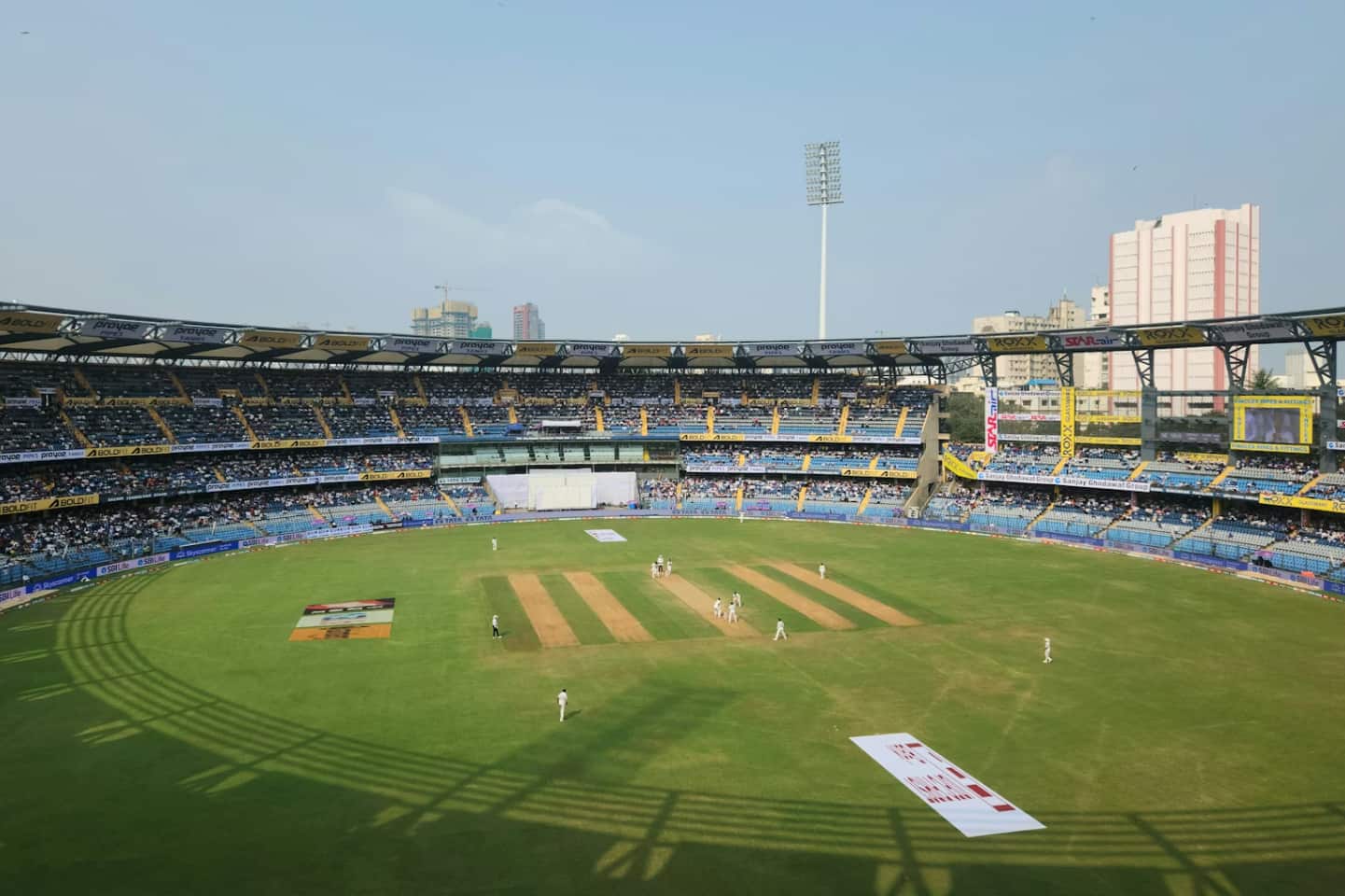
This analysis examines all measurable aspects of cricket ground dimensions.
Data covers field diameter, boundary radius, pitch length, and total area requirements. Numbers come directly from cricket regulations and venue specifications.
Basic Measurement Parameters for Cricket Grounds
Cricket fields lack fixed dimensions. Shapes vary from perfect circles to elongated ovals. Some grounds use rounded rectangles. Others show irregular shapes with minimal symmetry.
All grounds maintain smooth boundaries without sharp corners. The rope determines the field perimeter in most venues. This boundary rope marks the playing area limit.
Field diameter for men’s cricket ranges between 450 and 500 feet. Women’s cricket uses smaller dimensions. Female ground diameter spans 360 to 429 feet.
The center point sits within the boundary. Cricket pitches are prepared and marked around this center. Multiple pitches can exist at one venue for different matches.
Cricket Ground Diameter Specifications
Men’s cricket grounds show 50-foot variation in diameter. Minimum diameter measures 450 feet. The maximum diameter reaches 500 feet.
Women’s cricket grounds use smaller ranges. Minimum diameter stands at 360 feet. The maximum diameter measures 429 feet.
This gender-based difference reflects different hitting distances. Power-hitting capabilities influence ground size selection. Statistical data show women’s matches require smaller boundaries for competitive balance.
Men vs Women Ground Diameter Comparison
| Cricket Type | Minimum Diameter | Maximum Diameter | Range | Unit |
|---|---|---|---|---|
| Men’s Cricket | 450 feet | 500 feet | 50 feet | Feet |
| Women’s Cricket | 360 feet | 429 feet | 69 feet | Feet |
| Men’s Cricket | 137 meters | 152 meters | 15 meters | Meters |
| Women’s Cricket | 110 meters | 131 meters | 21 meters | Meters |
Men’s cricket allows larger playing areas. The 50-foot range provides venue flexibility. Women’s grounds show a 69-foot variation despite a smaller overall size.
Maximum men’s diameter exceeds the minimum women’s diameter by 71 feet. This significant difference affects match dynamics. Boundary hitting frequency changes with ground size.
Infield Measurement Specifications
The infield area has specific radius measurements. This curved boundary uses a 27.4-meter radius. Converting to feet equals approximately 90 feet.
The circle center positioned at the pitch end. This placement ensures consistent infield size. Fielding restrictions during powerplay overs use this circle.
Optimal lighting requirements exist for infield areas. Proper visibility ensures player safety. Cricket regulations mandate adequate illumination for night matches.
Close Infield Dimensions
Close infield uses smaller circles. Two slightly overlapping circles define this area. Each circle has 13.7-meter radius.
Converting to imperial units gives 45 feet radius. These circles create specific fielding zones. Close catching positions operate within these boundaries.
Infield and Close Infield Size Data
| Area Type | Radius (Meters) | Radius (Feet) | Diameter (Meters) | Diameter (Feet) |
|---|---|---|---|---|
| Standard Infield | 27.4 | 90 | 54.8 | 180 |
| Close Infield | 13.7 | 45 | 27.4 | 90 |
Standard infield diameter doubles the close infield diameter. This 2:1 ratio maintains consistent fielding zones. Fielding restrictions operate within these measured areas.
The 27.4-meter measurement appears twice in ground specifications. Close infield radius equals standard infield diameter. This mathematical relationship aids ground marking.
Outfield Measurement Analysis
The outfield forms oval shape. Diameter measurements range from 137 to 150 meters. Cricket ground dimensions in meters for outfield show 13-meter variation.
Converting to feet gives 450 to 493 feet range. This matches overall ground diameter specifications. Outfield encompasses entire playing area beyond infield.
Cricket Pitch Measurements
The pitch occupies central ground position. Most match action occurs on this rectangular strip. The surface uses clay with short grass covering.
Pitch length measures 22 yards exactly. Converting to metric gives 20.12 meters. This measurement remains constant across all cricket grounds worldwide.
Pitch width is not specified in available data. Only length measurement appears in regulations. The 22-yard distance between wickets never changes.
Pitch vs Ground Size Comparison
| Measurement | Pitch | Minimum Ground | Maximum Ground | Ratio (Min) | Ratio (Max) |
|---|---|---|---|---|---|
| Length/Diameter (meters) | 20.12 | 137 | 150 | 1:6.8 | 1:7.5 |
| Length/Diameter (feet) | 66 | 450 | 500 | 1:6.8 | 1:7.6 |
Pitch length represents small fraction of ground diameter. Minimum ground exceeds pitch length by 6.8 times. Maximum ground exceeds pitch by 7.5 times.
This ratio shows relative scale. The pitch occupies minimal ground percentage. Most playing area exists beyond the pitch itself.
Total Land Area Requirements
Minimum land area measures 150 x 150 meters. This square provides 22,500 square meters total. Converting to acres equals 5.5 acres.
This measurement covers the playing field only. Additional space requirements include spectator seating. Light installations need separate area allocation.
Total land requirement reaches 6 to 7 acres. This includes all facilities. The additional 0.5 to 1.5 acres accommodate non-playing areas.
Metric and Imperial Conversion Table
| Measurement Type | Meters | Feet | Yards | Acres | Square Meters |
|---|---|---|---|---|---|
| Minimum Ground Diameter | 137 | 450 | 150 | – | – |
| Maximum Ground Diameter | 150 | 493 | 164 | – | – |
| Infield Radius | 27.4 | 90 | 30 | – | – |
| Close Infield Radius | 13.7 | 45 | 15 | – | – |
| Pitch Length | 20.12 | 66 | 22 | – | – |
| Minimum Land Area | 150 x 150 | 492 x 492 | – | 5.5 | 22,500 |
| Total Land Need | – | – | – | 6-7 | 24,300-28,300 |
Cricket ground dimensions in feet differ numerically from metric measurements. Conversion factors allow translation between systems. Both measurement types appear in cricket documentation.
Pitch measurement uniquely uses yards as the primary unit. The 22-yard specification comes from cricket’s English origins. Metric conversion to 20.12 meters maintains precision.
International Cricket Ground Dimensions Standards
ICC (International Cricket Council) provides dimension guidelines. International cricket ground dimensions follow these regulations. Standards ensure consistent playing conditions globally.
The boundary distance limit measures 90 meters maximum. This measurement starts from the pitch center. No boundary can exceed this distance in international cricket.
Adequate distance must separate boundaries from obstacles. Player safety requires clear buffer zones. These spaces prevent collision injuries during fielding.
ICC Regulation Summary
| Regulation Type | Measurement | Purpose | Application |
|---|---|---|---|
| Maximum Boundary Distance | 90 meters | Maintain hitting balance | International matches |
| Safety Buffer | Adequate space | Prevent injuries | All venues |
| Domestic Flexibility | Smaller permitted | Allow local venues | Domestic cricket only |
ICC allows smaller grounds for domestic matches. Minimum standards must still be met. This flexibility permits cricket in space-limited areas.
The 90-meter maximum prevents excessively large boundaries. This regulation maintains batting-bowling balance. Without this limit, bowler advantage would increase significantly.
Format-Specific Ground Size Analysis
Cricket ground size for T20 matches affects gameplay significantly. Shorter boundaries increase six-hitting frequency. T20 cricket favors aggressive batting approaches.
Test matches can use larger grounds. An extended match duration allows patient batting. Boundary size affects strategy less in longer formats.
ODI cricket falls between extremes. Medium-sized grounds suit the 50-over format. The balance between attack and defense determines optimal dimensions.
Format-Wise Boundary Impact
| Format | Preferred Boundary Size | Typical Diameter Range | Strategic Impact |
|---|---|---|---|
| T20 | Shorter boundaries | 450-470 feet | High-scoring, aggressive |
| ODI | Medium boundaries | 470-490 feet | Balanced gameplay |
| Test | Flexible, often larger | 480-500 feet | Patience rewarded |
T20 matches benefit from minimum diameter grounds. The 450-foot measurement creates six-hitting opportunities. Shorter formats need compact dimensions.
Test cricket accommodates a maximum 500-foot diameter. Larger boundaries reward placement over power. Format duration allows running between wickets.
Boundary Distance Effects on Batting
Shorter boundaries encourage aggressive shot selection. Batters attempt more big hits. Six percent increase on smaller grounds.
Larger grounds require a different batting approach. Running between wickets becomes more important. Shot placement takes priority over power hitting.
Fastest centuries occur on shorter boundary grounds. Statistical correlation exists between ground size and century speed. Smaller dimensions reduce balls needed for a hundred runs.
Bowling and Fielding Adjustments
Bowlers adapt strategies based on boundary dimensions. Line and length selection changes with ground size. Death bowling tactics vary by venue.
Fielders cover more ground on larger fields. Positioning strategies adjust to boundary distances. Smaller grounds allow tighter field placements.
Ground Size Statistical Patterns
Most international venues fall within specific ranges. The 137-150 meter diameter appears frequently. This range provides optimal playing conditions.
Extreme measurements (minimum or maximum) are less common. Most grounds cluster near the middle of the allowed range. The 140-145 meter zone is most popular.
Narendra Modi Stadium Reference
The Narendra Modi Cricket Stadium in Ahmedabad represents the largest cricket venue. Seating capacity exceeds 132,000 spectators. This makes it the world’s largest cricket stadium.
Ground dimensions data not provided for this specific venue. Only the seating capacity appears in the reference material. Playing area measurements remain unspecified.
Land Area Efficiency Analysis
The 150 x 150 meter requirement creates a square boundary. This accommodates an oval playing field within a square perimeter. Additional buffer space surrounds the playing area.
22,500 square meters support the cricket field itself. The 24,300-28,300 square meter total includes facilities. This represents 8-20% space for non-playing areas.
Measurement Precision Requirements
Ground marking requires precise measurements. The 20.12-meter pitch length needs exact implementation. Boundary ropes must maintain consistent distances.
Infield circles use 27.4-meter and 13.7-meter radii exactly. These measurements cannot vary between venues. Standardization ensures fair fielding restrictions.
Statistical Summary of Cricket Ground Dimensions
Cricket ground dimensions show significant variation within defined ranges.
Men’s grounds span 450-500 feet in diameter. Women’s grounds use 360-429 feet measurements.
Infield radius measures 27.4 meters universally.
Close infield uses exactly half this measurement at 13.7 meters. Pitch length remains constant at 22 yards (20.12 meters).
Total land requirements range from 5.5 to 7 acres. The playing field occupies 5.5 acres.
An additional 0.5-1.5 acres accommodates spectator and facility needs.
ICC regulations limit the maximum boundary distance to 90 meters from the pitch center.
This standard applies to international cricket only. Domestic matches allow smaller ground dimensions within minimum standards.
Format-specific preferences influence ground selection. T20 cricket favors shorter boundaries for high-scoring matches.
Test cricket accommodates larger dimensions supporting patient batting.
These cricket ground dimensions patterns directly impact gameplay statistics and match outcomes across all cricket formats.
Related Guides:
About the Author
